
10 Facts You Didn't Know About 'Alice in Wonderland' (2010)
Here are 10 things you may not know about Tim Burton's box-office success 'Alice in Wonderland.'
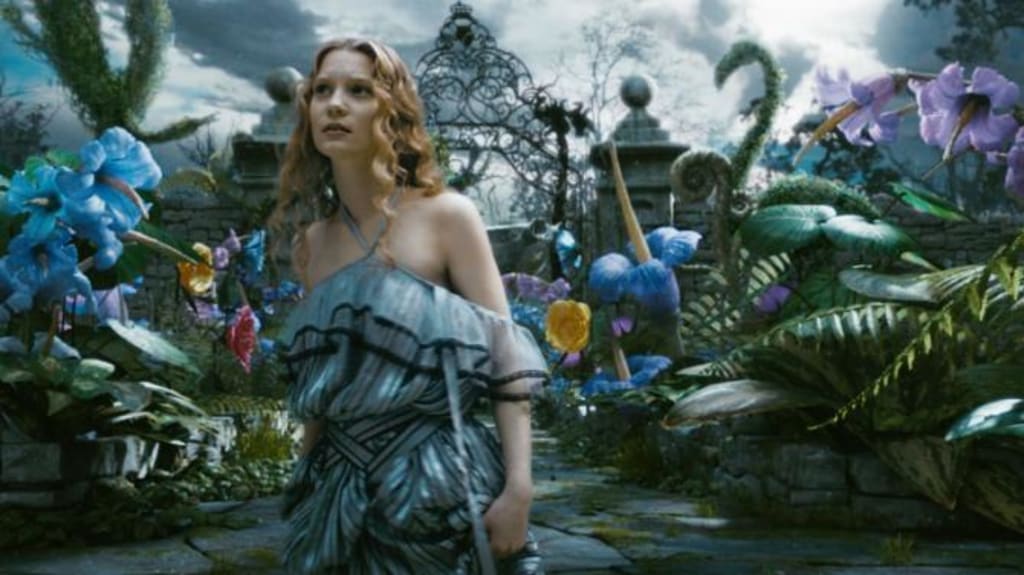
Disney's cartoon classic Alice in Wonderland came out 65 years ago. While it was considered a failure during its initial run, from its re-release in the 1960s to today it has become a cult classic, with a semi-sequel having been released in 2010. It was live-action, and lead us through an amazing journey into a land we thought we knew but was far grander than we were used to. With another sequel coming next week called Alice Through the Looking Glass, I thought it would be fun to journey down the rabbit hole again with some facts you might not have known about Tim Burton's Alice in Wonderland.
1. Anne Hathaway was offered the role of Alice.
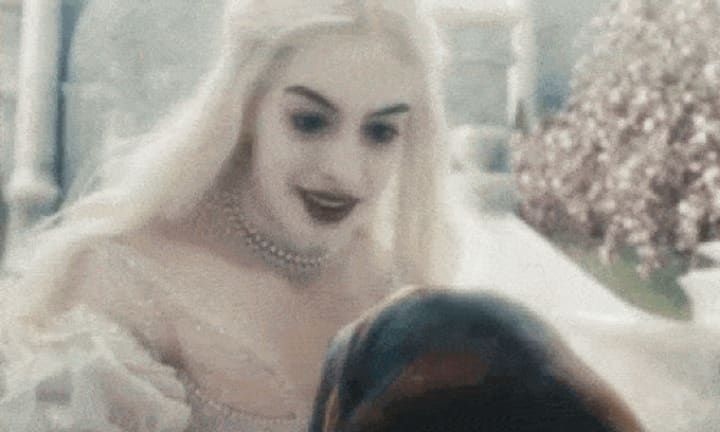
She didn't want to take it because it was too similar to other roles she already had done, but she wanted to work with Tim Burton. When she was offered the White Queen she happily agreed.
2. The movie actually won two Oscars.
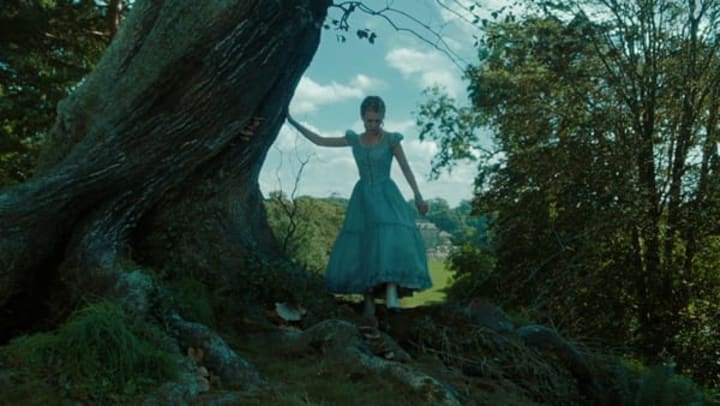
Though the movie was released with mixed reactions, it did end up with two Oscars in "Best Art Direction" and "Best Costume Design." Which, considering how many changes were made to Alice's dress to make it interesting with each change, was actually quite the feat.
3. It is Tim Burton's most successful film to date.
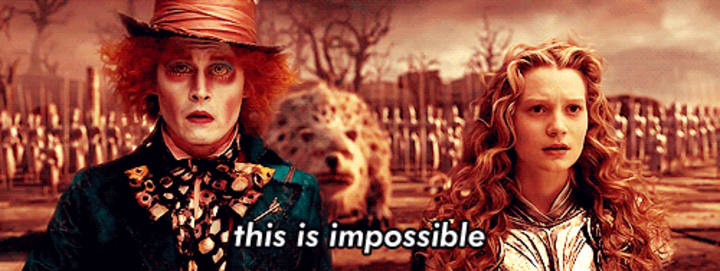
It has earned a gross total of $1 billion and was the second best grossing film of 2010, coming behind Toy Story 3.
4. All of the voice actors did their lines in one day.
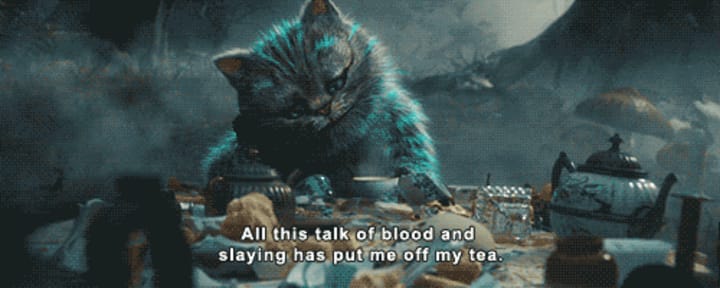
With many only having one or two, they were all able to come in and do their lines in a day.
5. This was Michael Gough's final movie.
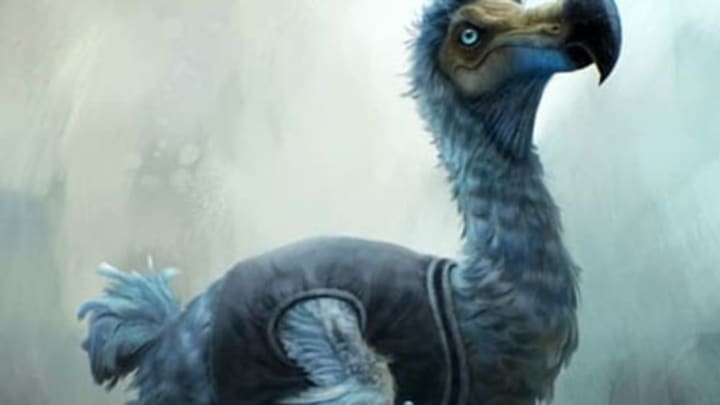
He played the role of the Dodo before dying at the age of 94. He also played the March Hare in Alice in Wonderland (1966)
6. Alice mentions it all "being a dream" 10 times.
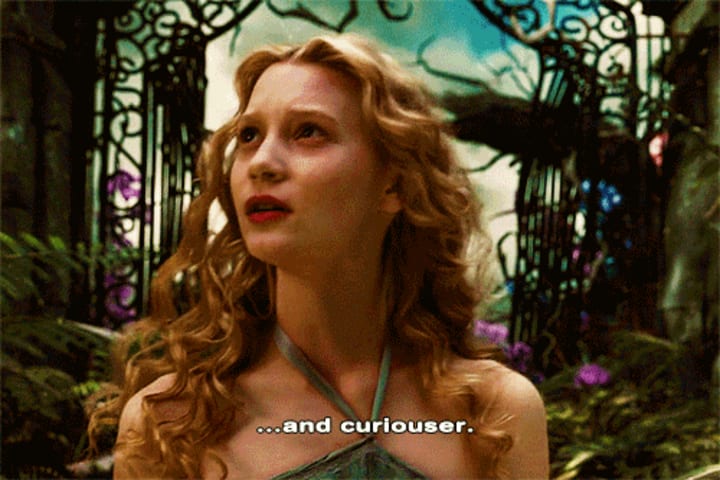
As well as "waking up from it" another 4 times. Honestly that was the only really annoying bit in the film.
7. Both Johnny Depp and Crispin Glover have played Willy Wonka.
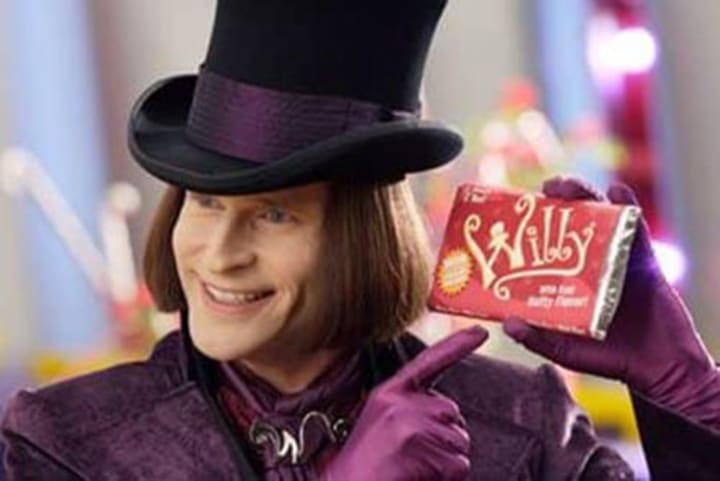
Johnny Depp, of course, played him for Tim Burton's version of Charlie and the Chocolate Factory. Ironically, Crispin played a parody of that version in Epic Movie.
8. Both the Red and White Queen's castles should look familiar.
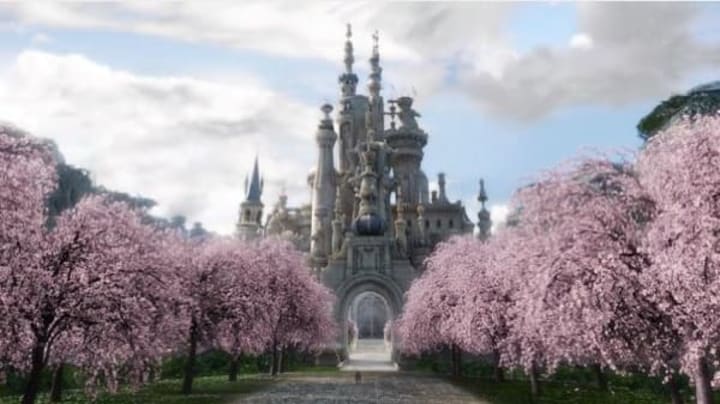
They are designed after Cinderella's castle in Walt Disney World.
9. Johnny Depp got tired of the green screen.
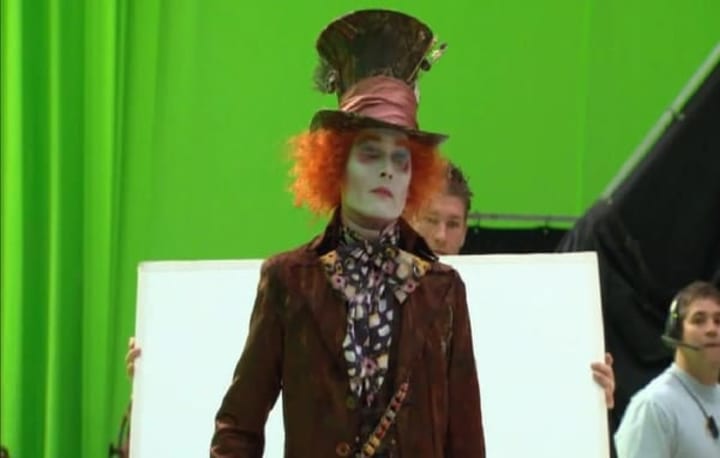
While he likes obstacles when filming he would "feel befuddled" by the end of the day.
10. Post-production really came down to the wire.
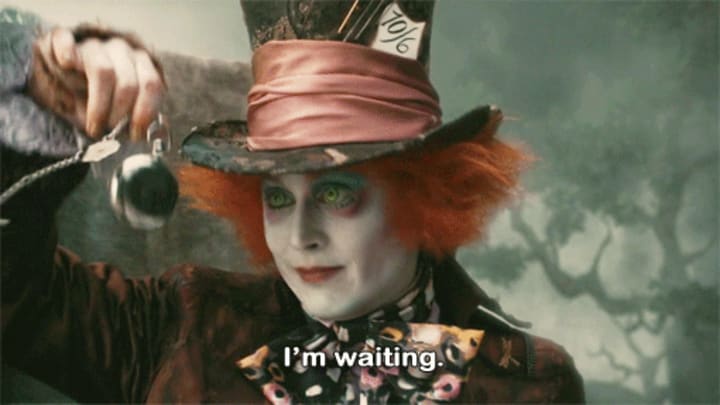
Tim Burton was still editing the film up until two weeks before it was released.
This movie is a lot of fun to watch, with great characters and a new take on a tale that we already know. I can't wait to see what the sequel has in store for us.
About the Creator
Tisha Eaton
I am a Disney Fanatic who loves to give information on stars, movies and shows that you guys like too! A professional fan girl who has been featured on Huffington Post and loves to share her love of anything and everything
Keep reading
More stories from Tisha Eaton and writers in Geeks and other communities.
10 Things You Didn't Know About 'Buffy the Vampire Slayer'
It may seem hard to believe, but the phenomenon that was Buffy the Vampire Slayer ended 13 years ago on May 20th after 7 seasons and 144 episodes, not to mention the spin-off series Angel. Many people are still fans of the show, however, and can be seen dressed as Buffy at conventions or doing a viewing of the musical episode "Once More With Feeling". Are you a die hard Buffy fan? Think you know everything there is to know about the show? Here are some things you might not have known about the TV show.
By Tisha Eaton8 years ago in Geeks
La La Land
Okay…so this movie came out when I was in high school and I hated it then. It was in fact way overhyped and won far too many awards for what it was. I re-watched it recently with my best friend and I have not changed my opinion but I can now articulate my thoughts on the matter better, so here we go.
By Alexandrea Callaghan5 days ago in Geeks
me, me, me
when i read back my poetry it screams “me, me, me” on my screen in bold letters and i can’t shut it up — most days, i cannot make any other words out; i want to throttle a thousand versions of the me gone by, i want to throw myself from a figurative balcony, i want to sink a sword into every pen i’ve held
By angela hepworth3 days ago in Poets


Comments
There are no comments for this story
Be the first to respond and start the conversation.