
Xbox: A Gaming Revolution Through Inovation and Community
Exploring Xbox’s Legacy, Innovation, and Future in the Gaming Industry
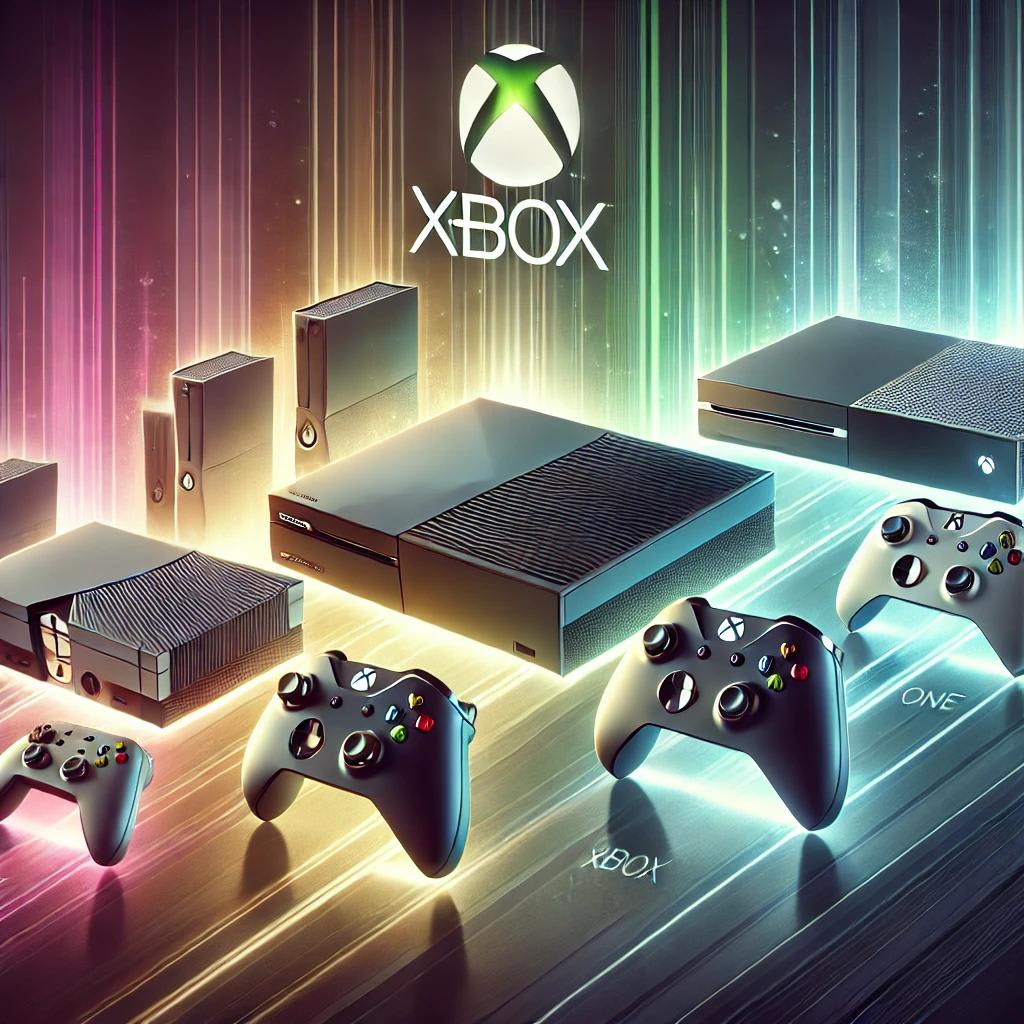
Xbox: A Gaming Revolution Through Innovation and Community
Since its launch in 2001, Xbox has emerged as one of the most transformative forces in the gaming industry. Initially released by Microsoft as a contender to Sony’s PlayStation and Nintendo’s offerings, Xbox has grown beyond just a gaming console to become a dynamic platform that fosters community, competition, and creativity. Through a blend of technological innovation and community-centric initiatives, Xbox has revolutionized how gamers interact with each other and experience games.
The Early Years: A New Player Enters the Game
The original Xbox, launched in November 2001, was Microsoft's ambitious step into the gaming console market. With powerful hardware for its time and built-in broadband connectivity, the Xbox was ahead of the curve, setting the stage for online multiplayer gaming. One of the most significant milestones came in 2002 with the launch of Xbox Live, a subscription-based online service that allowed players to connect and play together in real-time. Unlike other consoles at the time, Xbox Live’s emphasis on social interaction and competitive gameplay redefined multiplayer gaming, transforming consoles into hubs of social activity.
The introduction of Halo: Combat Evolved alongside the original Xbox became a cultural phenomenon. As an exclusive title, Halo not only showcased the capabilities of the Xbox but also laid the foundation for competitive gaming on consoles. Through its highly anticipated sequels and the creation of an expansive universe, Halo helped Xbox gain a loyal fanbase and became one of gaming's most iconic franchises.
Xbox 360: Innovation and Accessibility
In 2005, Microsoft released the Xbox 360, a console that cemented Xbox’s place as a global gaming powerhouse. The Xbox 360 brought with it a suite of groundbreaking features that revolutionized home entertainment and gaming. With high-definition graphics, a redesigned controller, and a growing roster of exclusive titles, the Xbox 360 became a favorite among gamers.
A significant addition to the Xbox 360 was the Marketplace, where players could purchase games, download exclusive content, and access various multimedia options. Microsoft expanded Xbox Live by introducing the Achievement system, where players could earn points for completing specific objectives within games. This points system not only enhanced replayability but also added a new layer of competitive interaction as players vied for high scores and rare achievements.
The Xbox 360 was also the first console to introduce streaming services, such as Netflix, turning the console into a multifunctional entertainment device. This integration was a significant move that helped shift the perception of consoles from single-purpose gaming devices to versatile home entertainment hubs.
Xbox One: From Gaming Console to All-in-One Entertainment
Released in 2013, the Xbox One took another leap forward by focusing on creating an integrated media experience. Xbox One was initially marketed as an "all-in-one entertainment system" capable of handling not only games but also television, movies, music, and apps. This shift to a broader entertainment platform marked Microsoft’s vision of turning Xbox into the centerpiece of household entertainment.
Backward compatibility was introduced, allowing players to access select Xbox 360 and original Xbox titles, which was met with positive feedback as it allowed gamers to revisit their favorite titles from previous generations. Furthermore, Microsoft’s move towards cross-platform gaming, which enabled players to connect with PC and other console users, exemplified Xbox’s commitment to fostering an inclusive gaming community.
The Xbox One also made strides in cloud gaming with Project xCloud, later rebranded as Xbox Cloud Gaming. Through the cloud, players could stream games on various devices, such as tablets, smartphones, and laptops, making it possible to play Xbox games without an actual console. This flexibility opened doors for gamers who may not have access to a console, showcasing Microsoft’s commitment to breaking down barriers in gaming.
Xbox Series X and S: Power and Accessibility for All Gamers
In 2020, Microsoft released the Xbox Series X and Xbox Series S, two consoles that brought next-generation power to the Xbox family. The Series X, marketed as the most powerful console ever, featured a custom processor, ray tracing capabilities, and rapid load times that vastly improved gameplay quality. The Series S, a more affordable option, offered next-gen features at a lower price point, allowing a wider range of gamers to experience Xbox’s new era.
Alongside hardware, Microsoft introduced Game Pass, a subscription service that has redefined value in gaming. For a monthly fee, Xbox Game Pass provides access to a rotating library of over 100 games, including new releases from Microsoft’s first-party studios on launch day. Game Pass has become a game-changer by lowering the entry cost to high-quality games, giving subscribers unlimited access to a variety of genres and titles. This service has been praised for its accessibility, making gaming more affordable and fostering discovery of diverse games.
Building a Community: Xbox’s Emphasis on Inclusivity and Diversity
Xbox has shown a strong commitment to creating a diverse and inclusive community. Through initiatives like Xbox Adaptive Controller, designed for players with limited mobility, Xbox has taken steps to make gaming accessible to everyone. Xbox has also collaborated with organizations like SpecialEffect, which creates custom gaming setups for players with physical disabilities, showing its dedication to breaking down barriers in gaming.
Microsoft’s cross-platform strategy allows players on Xbox to connect with friends on other platforms, such as PC and even competing consoles, fostering a sense of unity among players. This focus on inclusivity reflects Xbox’s vision of a gaming world where everyone can play together, regardless of hardware or platform.
The Future of Xbox: Innovation and Community
As Xbox moves into the future, Microsoft’s focus on cloud gaming, accessibility, and community building continues to shape its trajectory. Xbox Cloud Gaming is set to expand, making gaming more accessible to people worldwide by eliminating the need for high-end hardware. Through the Xbox Game Pass Ultimate subscription, players can access a wide variety of games on mobile devices, PCs, and consoles, taking gaming beyond the boundaries of traditional hardware.
Moreover, with a growing portfolio of studios under Xbox Game Studios, including acquisitions like Bethesda, Microsoft is poised to continue delivering exclusive, high-quality titles. These strategic moves ensure that Xbox will offer unique experiences while supporting indie developers and emerging talent through programs like ID@Xbox.
Conclusion
Xbox has come a long way from its debut as a challenger in the console wars. Through constant innovation, commitment to inclusivity, and a focus on building a strong gaming community, Xbox has become much more than a gaming console. It’s a platform for entertainment, connection, and creative expression. By redefining what it means to play and connect, Xbox has not only revolutionized the gaming industry but also expanded the possibilities of what a gaming community can be. With its sights set on the future, Xbox continues to innovate, bringing gaming to more people in more ways than ever before.
About the Creator
The Real Life of a Professional Poker Player: Myths and Reality
The life of a professional poker player often looks exciting from the outside. Television broadcasts show dramatic all-in moments, massive tournament prizes, and players celebrating victories under bright casino lights. Social media also contributes to this image by highlighting success stories, luxury travel, and high-stakes games. Because of this exposure, many people believe that professional poker players live an easy and glamorous life.
By Micah Raskin Poker 7 days ago in Gamers
Winning the Deal: Sports Tactics That Strengthen Lending Strategy
Every great sports team begins with preparation. Baseball managers study pitchers, hitters, and field positions before the game starts. Football coaches review game film and plan plays based on the opponent’s defense. In the same way, lenders should prepare carefully before any negotiation begins. Preparation builds clarity and confidence. It also helps lenders see risks early and avoid costly mistakes. For this reason, many successful professionals rely on a clear lending negotiation strategy before entering a financial discussion.
By James Cretella6 days ago in Gamers



Comments
There are no comments for this story
Be the first to respond and start the conversation.