
Why Some Video Games Feel Like Home: The Psychology of Nostalgia in Gaming
How Our Favorite Games Trigger Emotion, Comfort, and a Sense of Belonging

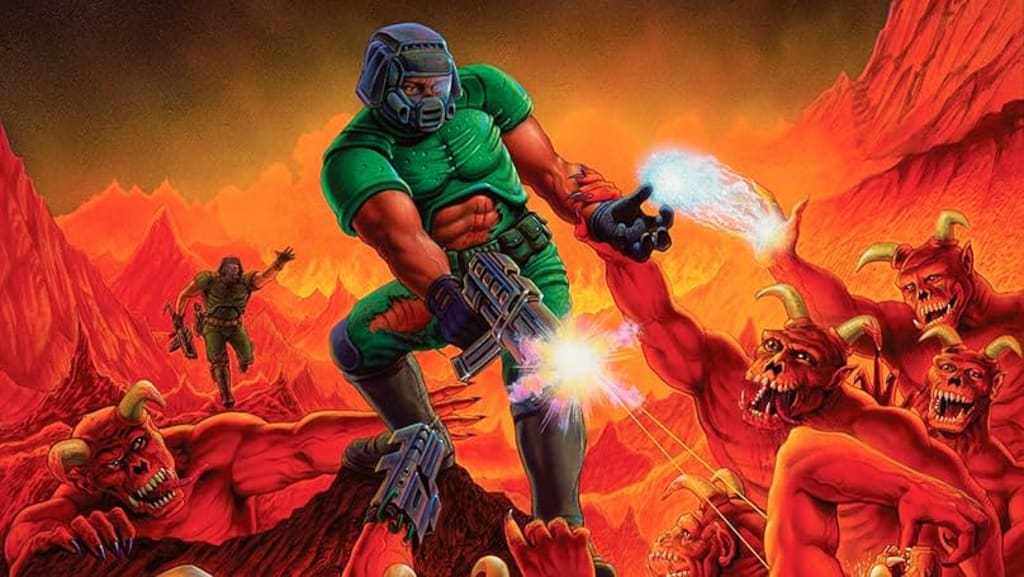
Video games have a unique ability to transport us—not just to fantastical worlds, but also back in time to moments of comfort and happiness. Many gamers find themselves returning to certain titles not just for the gameplay, but for the feeling of nostalgia they evoke.
But why do some games feel like home? The answer lies in psychology. Nostalgia in gaming is driven by emotional connections, sensory triggers, and the memories associated with playing certain games at key points in our lives.
1. The Science Behind Nostalgia in Gaming
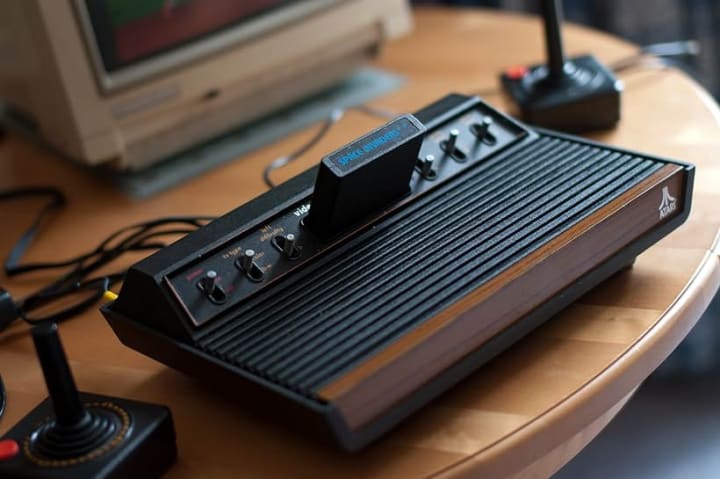
Nostalgia is a psychological phenomenon that helps people relive positive emotions from the past. It’s linked to the brain’s memory and reward systems, reinforcing feelings of comfort and belonging.
When we play a game that we loved as children or teenagers, our brains recall the experiences, friendships, and emotions tied to those moments. This is why hearing an old game soundtrack or seeing pixelated graphics from the past can instantly transport us back to a simpler time.
2. How Game Design Triggers Nostalgia
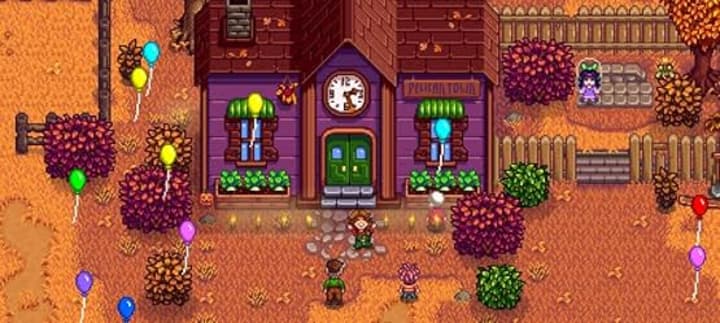
Certain design elements make a game feel nostalgic, even for new players:
- Pixel Art & Retro Graphics: Games like Stardew Valley and Shovel Knight use 8-bit and 16-bit aesthetics to evoke memories of classic NES and SNES titles.
- Chiptune and Synth Music: Soundtracks like those in Undertale and Celeste mimic the nostalgic feel of old-school game music.
- Gameplay Simplicity: Many retro-inspired games prioritize straightforward mechanics over complex systems, mimicking the accessibility of early gaming.
Even modern remakes of classic franchises (Final Fantasy VII Remake, Resident Evil 2 Remake) use updated graphics but retain key nostalgic elements to appeal to longtime fans.
3. The Social and Emotional Connection to Nostalgic Games
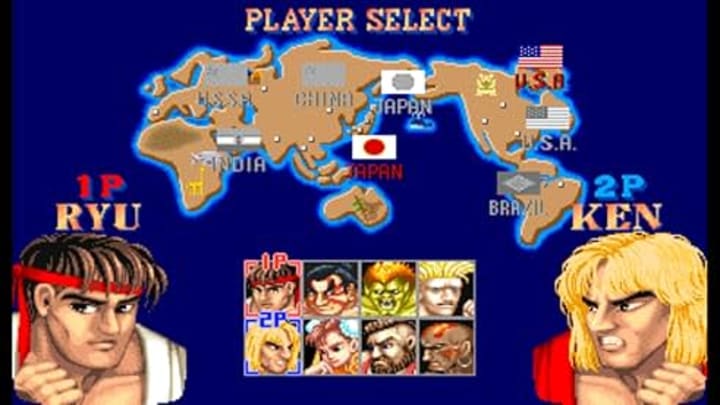
Beyond the gameplay itself, nostalgia in gaming is often tied to social experiences. Many players associate games with:
- Childhood memories: Sitting on the floor playing Super Mario 64 with siblings or friends.
- Arcade culture: The thrill of spending quarters on Street Fighter II or Pac-Man.
- LAN parties and split-screen multiplayer: Playing Halo 2 or Mario Kart 64 with friends on the same couch.
These shared experiences create lasting emotional bonds, making games feel like a return to home whenever we replay them.
4. Why We Keep Coming Back to Old Games
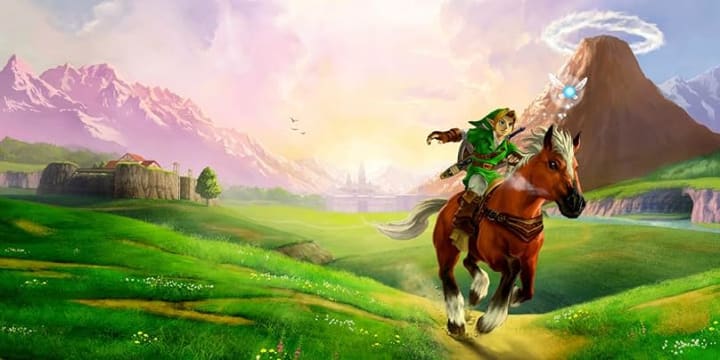
Even with cutting-edge technology and new releases every year, gamers constantly return to old favorites. Why?
- Comfort and familiarity: Playing an old game can be as reassuring as rewatching a favorite movie.
- Timeless gameplay: Classics like Tetris, Super Metroid, and The Legend of Zelda: A Link to the Past remain fun regardless of age.
- Escaping modern complexity: Retro games often offer simple mechanics without the overwhelming systems of modern open-world titles.
Many gamers even introduce their favorite childhood games to new generations, keeping the nostalgia cycle alive.
Conclusion
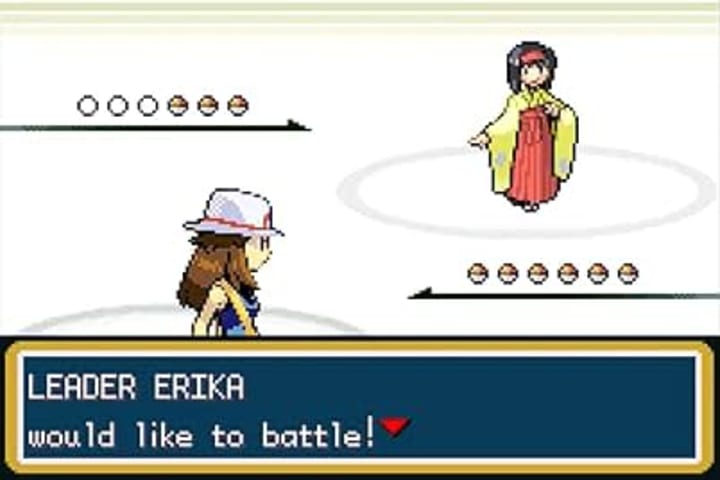
Nostalgia in gaming is more than just a longing for the past—it’s about comfort, emotional connection, and shared experiences. Whether it’s the pixelated world of Super Mario Bros. or the haunting melodies of The Legend of Zelda, these games remain a part of who we are.
As long as video games continue to evolve, nostalgia will always be a powerful force, bringing players back to the virtual homes they cherish
About the Creator
Bounty Hunter
RPG storyteller, worldbuilder and game designer exploring immersive narratives.
Keep reading
More stories from Bounty Hunter and writers in Gamers and other communities.
7 Simple Techniques to Create More Memorable RPG Characters
Creating a character for an RPG is more than just picking a class, rolling some stats, and choosing a cool name. If you want your character to be truly unforgettable—someone your fellow players will talk about long after the campaign ends—you need more than just mechanics. You need personality, quirks, and depth! Here are seven easy techniques to make your RPG characters shine:
By Bounty Hunter 11 months ago in Gamers
R6 Predictions for 2026: The Next Chapter of Rainbow Six Siege
In 2026, Rainbow Six Siege won’t feel like a brand-new game and that may be its greatest strength. Instead of chasing trends, Siege is likely to double down on what it already does best: tactical depth, operator-driven gameplay, and a competitive ecosystem that rewards patience and planning. Looking back from this point in time, 2026 could be remembered as the year Siege finally perfected its long-term evolution.
By Deborah Larson5 days ago in Gamers



Comments
There are no comments for this story
Be the first to respond and start the conversation.