
7 Simple Techniques to Create More Memorable RPG Characters
Make Your Heroes (or Villains) Stand Out in Every Campaign!


Creating a character for an RPG is more than just picking a class, rolling some stats, and choosing a cool name. If you want your character to be truly unforgettable—someone your fellow players will talk about long after the campaign ends—you need more than just mechanics. You need personality, quirks, and depth! Here are seven easy techniques to make your RPG characters shine:
1. Give Them a Signature Quirk

Memorable characters often have something unique that sets them apart. Maybe your wizard speaks exclusively in rhymes, or your barbarian has an inexplicable fear of chickens. These quirks don’t have to be game-breaking; they just make your character feel alive. Quirks can also be physical—perhaps your rogue always wears gloves, even in the hottest weather, or your cleric meticulously polishes their armor every morning. The key is consistency; if you maintain the quirk, it becomes part of what defines your character in the eyes of your fellow players.
2. Create a Catchphrase (and Use It Sparingly!)

Think of legendary characters from pop culture—many of them have signature phrases. Whether it’s a simple "I have a bad feeling about this…" or an over-the-top "By the power of Greyskull!", a well-placed catchphrase can make your character instantly recognizable. The trick is not overdoing it. A catchphrase should be used at the right moment, reinforcing who your character is rather than becoming annoying repetition. You can even have variations depending on mood—maybe your rogue mutters "Well, that’s unfortunate..." whenever things go wrong or your warlock sarcastically quips, "Oh, sure, trust the demon pact-maker."
3. Tie Their Backstory to Another Player’s Character

Too often, RPG characters arrive at the table as lone wolves. Instead, collaborate with your fellow players to create pre-existing relationships. Maybe your rogue and the bard were former partners in crime, or your cleric once saved the fighter’s life. These connections add depth and instantly make your character more involved in the story. Plus, it creates opportunities for dramatic reveals, unexpected betrayals, or heartfelt moments of camaraderie. A shared history helps flesh out the world organically and gives your DM more material to work with.
4. Give Them a Personal Goal Beyond "Win the Game"

Everyone wants treasure and glory, but what does your character want *personally*? Are they searching for a lost sibling? Trying to write the perfect love ballad? Collecting every kind of exotic cheese in the world? Goals like these make your character feel like they exist beyond the mechanics of the game. A goal doesn’t have to be grandiose; even something as simple as "I want to find the best tavern in every city" adds a layer of personality. The best goals create opportunities for roleplay and character development over the course of the campaign.
5. Develop a Unique Roleplaying Hook
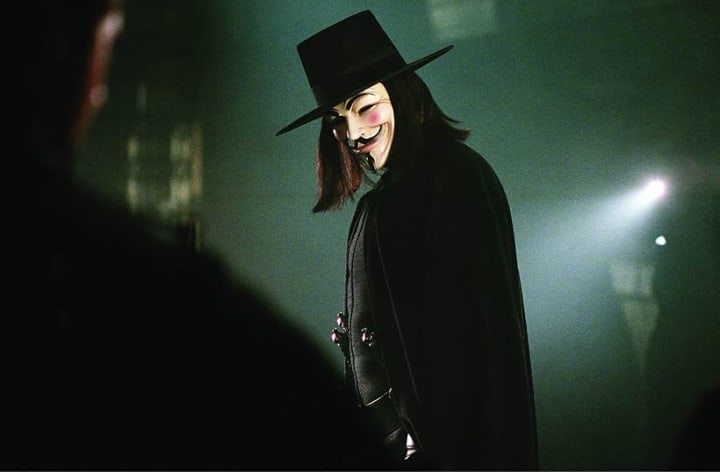
Instead of just saying, "My character is a grumpy dwarf," show it through your actions. Does he refuse to talk to elves? Insist on carrying his own tankard at all times? Having a clear, consistent behavior pattern makes your character more distinct and easier to roleplay. This could include small habits, speech patterns, or emotional triggers—maybe your paladin always stands at attention when addressing authority, or your sorcerer instinctively pulls at their sleeves when nervous. Hooks like these make roleplaying easier and help your character feel more authentic.
6. Don’t Be Afraid to Show Flaws

Perfect characters are boring. Maybe your wizard is a genius but socially inept. Perhaps your paladin is brave in battle but terrified of the dark. Flaws create tension and make for more interesting roleplaying moments. Plus, they make your character feel more human (or elf, or orc, or… you get the idea). Players often shy away from playing weaknesses, but these moments are what make characters memorable. A hero who is always strong and right is forgettable; a hero who struggles and grows is unforgettable.
7. Use Props or Voices (If Comfortable!)

A small prop—like a unique dice bag, a letter from your character’s past, or even a specific hat—can make your character feel more tangible. Likewise, using a distinct voice or accent (without going overboard) can make your character stand out even more. You don’t need to be a voice actor; even subtle changes, like slowing your speech for a wise old wizard or speaking more softly for a shy character, can make a difference. If voices aren’t your thing, using a unique phrase structure or formal tone can have a similar effect. Props can also serve as storytelling tools—your fighter’s old, rusted sword might have sentimental value, or your druid’s pouch of herbs might hint at a forgotten tradition.
Final Thoughts

A memorable RPG character isn’t just one with high stats or epic gear. It’s a character that feels real, someone who has personality, quirks, and goals beyond just "winning." By adding small but meaningful details, you’ll create a character that both you and your group will remember for years to come.
Now, go forth and bring your unforgettable hero (or villain) to life!
About the Creator
Bounty Hunter
RPG storyteller, worldbuilder and game designer exploring immersive narratives.
Keep reading
More stories from Bounty Hunter and writers in Gamers and other communities.
From Dice to Digital: How Tabletop RPGs Shaped Video Games
Tabletop role-playing games (TTRPGs) and video games share a common DNA. The mechanics, storytelling, and immersive experiences that define modern RPG video games owe much to their dice-rolling, character-sheet-filled ancestors. From Dungeons & Dragons (D&D) to Baldur's Gate, and from The Elder Scrolls to Cyberpunk 2077, the influence of tabletop RPGs is undeniable. But how exactly did this transition happen? Let’s take a deep dive into how TTRPGs have shaped the digital gaming world we know today.
By Bounty Hunter about a year ago in Gamers
Halo Infinite Will Completely Change How You See Xbox Games Forever
Few games carry the weight of expectation like Halo Infinite. As one of the flagship titles for Xbox, it was never just another release. It had to prove that the legendary franchise still had the power to evolve while staying true to its roots. What emerged is a game that balances legacy and innovation in a way that feels both familiar and surprisingly bold.
By Lukáš Hrdlička4 days ago in Gamers
Call of Duty: Ghosts (2013)
So, I've reviewed a handful of Call of Duty titles by now, and I've had a great time doing it. World at War was a dark, grim portrayal of WWII that was really good. Black Ops was a Cold War thrill and the Modern Warfare trilogy was an action-movie extravaganza.
By Greg Seebregts7 days ago in Gamers




Comments
There are no comments for this story
Be the first to respond and start the conversation.