
Why GTA 6 Is Taking So Long: Unpacking the Delay Behind the Most Anticipated Game in History
Rockstar’s Ambition, Industry Shifts, and the Weight of Expectations All Play a Role in GTA 6’s Prolonged Development

For fans of open-world games, few titles are as iconic or highly anticipated as Grand Theft Auto VI (GTA 6). Ever since the monumental success of GTA V in 2013, players around the world have eagerly awaited news of its successor. Yet, over a decade later, GTA 6 has yet to hit shelves, and its release date remains vague, with Rockstar Games only offering minimal details and teasers. This extended delay has sparked frustration, speculation, and curiosity. So, why exactly is GTA 6 taking so long?
1. The Pressure of Following a Giant
One of the main reasons behind the delay is the sheer legacy of GTA V. With over 190 million copies sold, it’s one of the best-selling video games of all time. It’s not just a tough act to follow—it’s a monumental one. Rockstar knows that the bar has been set sky-high, and delivering a game that can surpass or even match the experience of GTA V is a colossal challenge.
When a game becomes a cultural phenomenon, the expectations from both fans and critics grow exponentially. Rockstar cannot afford to release a product that’s anything less than groundbreaking. As such, the company is taking extra time to innovate on gameplay, graphics, narrative, and online features to meet those expectations.
2. The Scale and Complexity of the Game
Leaks and rumors suggest that GTA 6 will feature multiple playable protagonists, a sprawling open world that may span across multiple cities (possibly including Vice City and new, fictional regions), and an evolving game world. These features demand an unprecedented level of detail and development complexity.
Creating a living, breathing game world at that scale is not a task that can be rushed. Each location, NPC behavior, story mission, and environmental interaction must be finely crafted. With ambitions reportedly higher than any of Rockstar’s previous projects, the development team has to push the boundaries of current-gen gaming capabilities—something that takes a lot of time, resources, and iteration.
3. Shifts in Game Development Culture
Over the last few years, there has been growing awareness and criticism of the gaming industry’s reliance on "crunch culture"—a term used to describe intense periods of overtime and pressure on developers to meet deadlines. Rockstar Games was one of the companies that came under scrutiny during the development of Red Dead Redemption 2.
In response, Rockstar reportedly made internal changes to improve working conditions and reduce crunch. While this is a positive shift for employee well-being, it naturally slows down the development process. Allowing more humane working hours and realistic timelines means projects take longer, but the result is often a better game and a healthier team behind it.
4. The Success of GTA Online
Another major reason GTA 6 has taken a back seat is the overwhelming success of GTA Online, the multiplayer component of GTA V. Since its release, GTA Online has become a major revenue generator for Rockstar, thanks to its microtransactions and regular content updates.
With millions of active players and a robust in-game economy, Rockstar has had little financial incentive to rush into releasing GTA 6. Instead, the company has continued to support and expand GTA Online, buying them more time to perfect their next major installment without sacrificing profits.
5. Technological Transitions
The past decade has seen major changes in gaming hardware and software. The transition from the PlayStation 4 and Xbox One era to the PlayStation 5 and Xbox Series X/S brought higher expectations for performance, visuals, and loading times.
To ensure GTA 6 takes full advantage of these next-gen capabilities, Rockstar has likely had to rebuild or significantly upgrade its internal game engine. Integrating features like ray tracing, ultra-fast SSD loading, and realistic physics adds to development time, especially when balanced with cross-platform optimization.
6. COVID-19 and Global Disruptions
Like nearly every industry, video game development was heavily affected by the COVID-19 pandemic. Remote work, supply chain issues, and coordination problems all contributed to delays. Even a company as large and resourceful as Rockstar wasn’t immune. Adjusting workflows and maintaining productivity during lockdowns introduced unforeseen challenges that naturally pushed back timelines.
Conclusion: A Delayed Game Is Eventually Good
As frustrating as the wait has been, it’s worth remembering the old adage by Nintendo legend Shigeru Miyamoto: “A delayed game is eventually good, but a rushed game is forever bad.” Rockstar Games has a reputation for delivering genre-defining titles, and if taking more time means delivering a truly next-generation experience, most fans would agree the wait will be worthwhile.
While GTA 6’s development timeline may feel excessive, the factors behind it are understandable and even commendable in many ways. Between industry changes, creative ambition, and a commitment to quality, Rockstar is playing the long game—and history suggests it will likely pay off.
About the Creator
Syad Umar
my name is umar im from peshawer
Dodgers
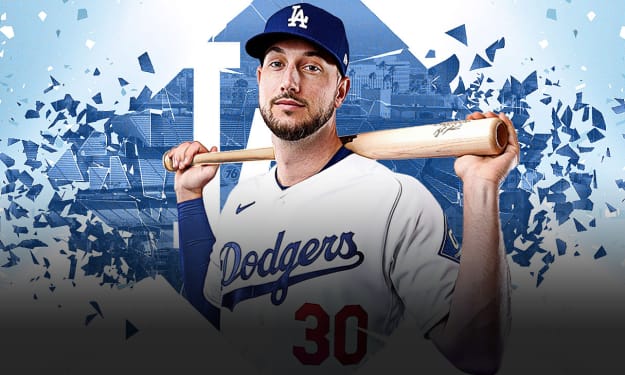
The Los Angeles Dodgers have long been one of the most influential franchises in MLB, known for combining elite player development with the financial flexibility to pursue top-tier talent. From consistent postseason appearances to being counted among recent World Series winners, the Dodgers continue to shape league-wide conversations. As the new season approaches, Dodgers news is once again dominated by roster construction, payroll discussions, and persistent MLB trade rumors—especially those surrounding Kyle Tucker. The Dodgers’ Identity in Modern MLB Few teams balance tradition and innovation quite like the LA Dodgers. Their front office has mastered analytics while still valuing star players who can deliver in October. The current Dodgers roster reflects that philosophy, blending established veterans with emerging talent. Over the years, names like Cody Bellinger have defined eras of success, while new possibilities continue to fuel speculation. The Dodgers’ ability to remain competitive is also tied to their willingness to maintain a high Dodgers payroll. While they are not reckless spenders, they are strategic—targeting players who can elevate both performance and brand value. Kyle Tucker and Why He Fits the Dodgers Narrative Among the most discussed names in recent MLB rumors is Kyle Tucker. A consistent offensive presence and reliable defender, Tucker has emerged as one of the most complete players in modern baseball. Naturally, that has led to growing interest in a potential Kyle Tucker Dodgers scenario. So, what position does Kyle Tucker play? Tucker is primarily a right fielder, though his athleticism allows flexibility across the outfield. That versatility makes him especially attractive to teams like the Dodgers, who value adaptable Dodgers outfielders capable of handling high-pressure situations. The phrase “Tucker baseball” has become shorthand for a balanced skill set: power, patience, and postseason reliability. It’s no surprise that Kyle Tucker news often trends alongside big-market teams. Contracts, Agents, and the Cost of Stardom Any serious discussion of Tucker to Dodgers inevitably leads to contract considerations. The idea of a Kyle Tucker contract Dodgers deal raises questions about years, value, and long-term impact. While no official Kyle Tucker deal has been announced, speculation continues around what such a move would require. The Kyle Tucker agent would likely prioritize both financial security and a winning environment—two things the Dodgers can credibly offer. Still, committing to a potential Kyle Tucker Dodgers contract would require careful planning, especially with other stars already on the books. Misspellings like kyle.tucker, kyle tuxker, or even kyke tucker frequently appear in online searches, underscoring just how much attention surrounds him across the baseball world. How Tucker Could Shape the Dodgers Lineup If a Dodgers Tucker scenario ever materializes, it would have a major impact on the Dodgers lineup. A projected middle-of-the-order bat like Tucker could slot seamlessly into a Dodgers projected lineup, offering protection for existing stars and adding depth in late-game situations. Comparisons have been drawn between Tucker and former Dodgers standouts like Bellinger, particularly in terms of two-way impact. While Cody Bellinger brought elite defense and timely power, Tucker offers a more consistent offensive profile year over year. Competition From the Mets and Other MLB Teams Of course, the Dodgers are not alone in pursuing elite talent. The NY Mets, backed by owner Steve Cohen, have made it clear they are willing to spend aggressively. Mets news often mirrors Dodgers news, especially when it comes to top-tier MLB free agents and trade targets. Names like Edwin Diaz and Bo Bichette frequently appear in league-wide discussions, highlighting how interconnected roster decisions have become. Any move involving Tucker would likely ripple across the league, influencing strategies for teams like the Mets, who remain active in both free agency and trades. MLB Trade Rumors and the Bigger Picture Sites such as MLBTradeRumors regularly analyze scenarios involving Kyle Tucker to Dodgers, though nothing has been confirmed. These rumors reflect a broader truth: elite players drive conversation, even when deals never materialize. The Dodgers understand that not every rumor becomes reality. Still, being linked to players like Tucker reinforces the team’s image as a perennial contender. Whether through trades or internal development, the goal remains the same—build a roster capable of winning another championship. Looking Ahead: What This Means for the Dodgers As the season unfolds, the Dodgers will continue to evaluate opportunities that align with their long-term vision. The idea of Dodgers Kyle Tucker is compelling, but it’s only one chapter in a much larger story about sustained excellence. With a deep farm system, financial flexibility, and a proven track record, the Los Angeles Dodgers remain at the center of MLB news. Whether or not Tucker ever wears Dodger blue, the conversations surrounding him highlight how the franchise continues to influence the direction of the league. In the end, the Dodgers’ success has never hinged on a single move. It’s about smart decisions, calculated risks, and an unwavering commitment to winning—qualities that keep them relevant, respected, and always worth watching.
By Saboor Brohi 3 days ago in Gamers
Marvel Rivals Patch Notes: Season 6 "Night at the Museum" - Full Breakdown, Deadpool Abilities, and Hero Buffs
The wait is almost over! NetEase Games has finally pulled back the curtain on the next massive update for its hit superhero shooter. If you’ve been searching for the latest Marvel Rivals patch notes, you’re in the right place. Season 6, titled "Night at the Museum," is officially set to launch on January 16, 2026, and it’s bringing the Merc with a Mouth along for the ride.
By Info Post Gate5 days ago in Gamers



Comments
There are no comments for this story
Be the first to respond and start the conversation.