
Virtual Reality and the Metaverse: A New Era of Daily Integration
From Dreams to Reality:The Promise and Pitfalls of VR

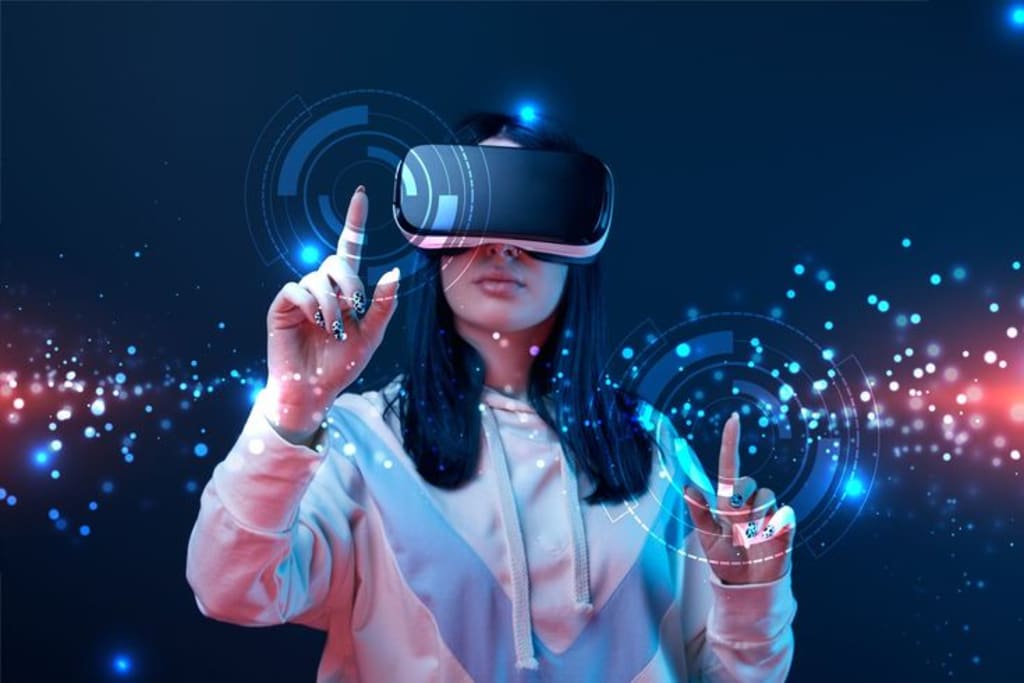
The boundary between our physical and digital lives is blurring, thanks to Virtual Reality (VR) and the Metaverse. These innovations are no longer confined to science fiction—they’re transforming how we work, play, and connect. But as thrilling as this technological leap may seem, it’s not without challenges. Let’s dive into how VR and the Metaverse are changing our daily lives and explore the opportunities and issues they bring.
How VR and the Metaverse Are Revolutionizing Everyday Life
- Connecting People Like Never Before: Imagine sitting in a virtual café, chatting with friends who are thousands of miles away, or attending a live concert without leaving your living room. VR and the Metaverse make these scenarios possible, offering immersive, shared experiences that feel incredibly real. They’re breaking down geographical barriers and bringing people together in ways we’ve never seen before.
- Transforming Education: Why read about the Great Wall of China when you can virtually walk along it? VR and the Metaverse are revolutionizing learning, making education more interactive and engaging. Students can collaborate in global classrooms or dive into historical events as if they were there. It’s not just about learning facts—it’s about experiencing them.
- Redefining Work: The pandemic introduced us to remote work, but VR is taking it to the next level. Virtual offices allow teams to collaborate, brainstorm, and interact as if they were physically in the same room. This could redefine workplace culture, making it more inclusive and dynamic, while also cutting down on commuting time.
- Next-Level Entertainment: From immersive gaming to virtual theme parks, VR is transforming how we have fun. Imagine being in the middle of an action-packed game or exploring a fantasy world with friends in real-time. The Metaverse takes entertainment a step further by making these experiences social, creating a shared sense of presence.
- Advancing Healthcare: VR is already making waves in healthcare, from helping patients recover through physical therapy to providing mental health support. Surgeons are using VR to practice complex procedures, while patients can benefit from virtual consultations or support groups in the Metaverse. The possibilities are endless.
The Challenges We Need to Address
While the potential of VR and the Metaverse is undeniable, there are several hurdles we need to overcome to ensure these technologies benefit everyone:
- Privacy Concerns: These platforms collect vast amounts of data, raising serious questions about user privacy. If companies don’t prioritize data security, users could be at risk of breaches and misuse of their personal information.
- Digital Addiction: Immersive experiences can be incredibly engaging, but they also risk trapping users in virtual worlds. Spending excessive time in VR could lead to social isolation, physical health issues, or even addiction.
- Accessibility and Cost: High-quality VR equipment isn’t cheap, creating a divide between those who can afford to participate and those who can’t. If we want the Metaverse to be a shared space, it needs to be accessible to everyone.
- Ethical Dilemmas: Who owns what in the Metaverse? How do we prevent exploitation or harassment in virtual spaces? These are complex issues that need clear rules and guidelines.
- Mental Health Impacts: VR can cause motion sickness, anxiety, or even confusion between virtual and real-life experiences. Prolonged use might blur these lines, potentially leading to psychological effects.
Building a Safer, More Inclusive Digital Future
To fully embrace the benefits of VR and the Metaverse while minimizing risks, here are a few key steps:
- Strengthening Privacy Protections: Companies must be transparent about how they collect and use data. Users should have control over their personal information and feel safe in these digital spaces.
- Promoting Healthy Usage: Educating users about setting boundaries and creating time limits can prevent overindulgence. Developers can also build tools that encourage breaks and balance.
- Making Technology Affordable: Lowering costs and providing subsidies or affordable alternatives can help bridge the accessibility gap. Everyone should have the chance to experience these innovations, regardless of their financial situation.
- Establishing Ethical Guidelines: Clear standards for behavior, ownership, and user rights are essential. These guidelines should focus on creating a fair and respectful virtual environment.
- Supporting Mental Health: VR experiences should prioritize user well-being. Developers can incorporate features to reduce discomfort and offer resources for those struggling with the psychological effects of virtual immersion.
Final Thoughts
Virtual Reality and the Metaverse are more than just technologies—they’re reshaping how we live, learn, and connect. From creating new ways to interact to revolutionizing industries like education and healthcare, their potential is immense. However, with great innovation comes great responsibility.
By addressing challenges like privacy, accessibility, and ethical concerns, we can ensure that these tools enhance our lives rather than complicate them. The key lies in finding balance—embracing the possibilities of VR and the Metaverse while staying mindful of their risks. If we get it right, this digital revolution could pave the way for a future that’s not only exciting but also inclusive and meaningful for everyone.
About the Creator
U4gm MLB The Show 26: A Complete Evolution of Baseball Gaming
MLB The Show 26 takes baseball simulation to an entirely new level. This year’s edition isn’t just a simple update — it represents a full evolution of the franchise, combining realism, strategy, and fun in one polished package. From career journeys to competitive online play, every mode has been refined, making the game more immersive and rewarding than ever before.
By Billo Nali6 days ago in Gamers
A System That Isn’t Working Challenge Winners
Systems promise order. They organize behavior, distribute opportunity, and suggest that if everyone follows the rules, things will work. The entries in A System That Isn’t Working look closely at what happens when that promise begins to slip.
By Vocal Curation Team5 days ago in Resources



Comments
There are no comments for this story
Be the first to respond and start the conversation.