
The Hidden Dangers of Sharing Photos Online: Why You Should Think Twice
"Simple Steps to Safeguard Your Digital Privacy"

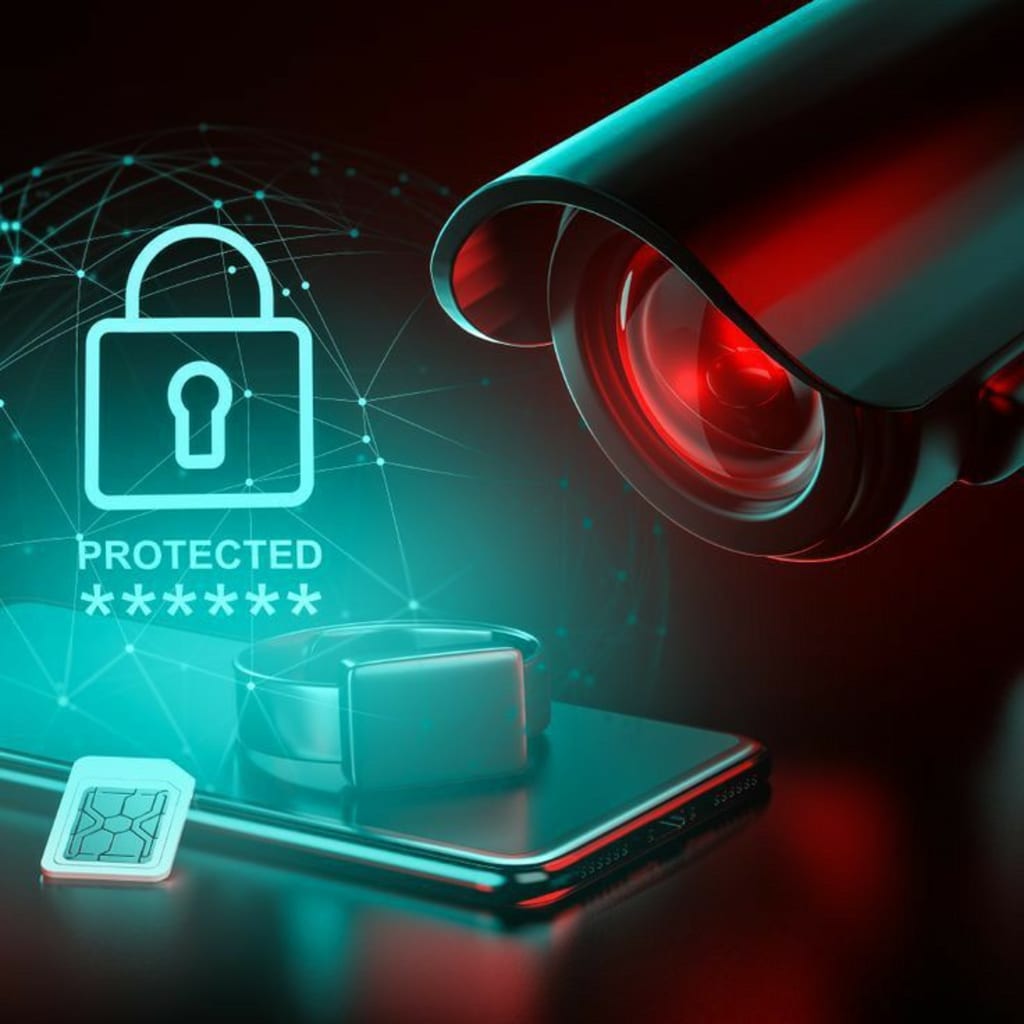
In today’s digital world, sharing photos online feels like second nature. From posting selfies on Instagram to sharing family moments on Facebook, it’s easy to forget that the internet isn’t always a safe place. While it might seem harmless, uploading personal photos on social media or sending them to someone you barely know can have serious consequences. Let’s dive into the hidden risks and how you can protect yourself.
How Your Photos Can Be Misused
- Objectification and Exploitation
When you share a photo of yourself, especially one that’s personal or revealing, you might unknowingly provide material for someone with bad intentions. Sadly, some people misuse these images for their own gratification, turning your innocent photo into an object of their desire. This issue is more common than many realize, especially when photos are shared with strangers or uploaded to public platforms.
- Manipulation Using AI
Advancements in AI have made it shockingly easy to manipulate photos. Deepfake technology, for example, can take your image and place it in inappropriate or harmful contexts. Even photos you consider safe can be edited to create something damaging to your reputation or identity. These doctored images can then spread online, often without your knowledge or consent.
- Identity Theft
Your photos can also be used for identity theft. Cybercriminals may extract your facial data from photos to impersonate you, bypass facial recognition security, or create fake profiles. This not only puts your privacy at risk but can also lead to serious consequences, like fraud or harassment.
- Loss of Control
Once a photo is online, it’s nearly impossible to erase it entirely. Even if you delete it from your account, it could have been downloaded, screenshotted, or stored elsewhere. This loss of control makes it difficult to manage who sees your image and how it’s used.
How to Protect Yourself
The good news? You don’t have to give up sharing photos entirely. Here are some practical steps to keep your images safe:
- Be Selective About What You Share
Think carefully before uploading or sending a photo. Avoid sharing overly personal, revealing, or sensitive images. Ask yourself: “Would I be okay if this photo were seen by the public?” If the answer is no, it’s better to keep it private.
- Adjust Your Privacy Settings
Review the privacy settings on your social media accounts. Limit who can see your posts, and consider setting your profile to private. This reduces the chances of your photos falling into the wrong hands.
- Avoid Sending Photos to Strangers
Be cautious about sharing images with people you don’t know well, even if they seem trustworthy. Once you send a photo, you lose control over where it ends up.
- Watermark Your Photos
Adding a subtle watermark to your images can deter people from misusing them. It’s not foolproof, but it’s an extra layer of protection.
- Use Reverse Image Search
Tools like Google’s reverse image search can help you check if your photos are being used without your permission. Regularly scanning for your images can help you catch unauthorized uses early.
- Stay Informed about AI Risks
Keep up-to-date with how AI technology is evolving and the potential risks it poses. Awareness is your best defense against emerging threats.
Sharing photos online can be fun and fulfilling, but it’s important to balance openness with caution. Remember: once a photo is out there, you can’t always control where it goes or how it’s used. By being mindful of what you share and taking steps to protect your images, you can enjoy the benefits of social media without putting yourself at unnecessary risk.
Your privacy and safety are worth it—think before you share. Stay cautious, stay informed, and stay secure.
About the Creator
Ken Childs and the Shadow Network Behind Celebrity Surveillance
Hollywood is no stranger to intrigue. Behind the red carpets, blockbuster premieres, and glamorous headlines lies a parallel world where privacy is fragile and information can be extremely valuable. Over the years, celebrities have faced stalkers, hackers, and fraud schemes designed to exploit their wealth and visibility. Recently, reports circulating online have drawn attention to a controversial narrative involving private investigator Ken Childs and allegations that place him near the center of a disturbing story about celebrity surveillance.
By Shane Smith7 days ago in Criminal
Murdering the love of Sarah Maguire
January 2022, it was a cold winter in Tulsa, Oklahoma, one that felt colder than most for some of us in the city. If one were to be out in the evening air of the cold, it was bone chilling to the soul. On an evening like this one who wouldn’t enjoy a good home cooked meal by someone who seemed to care about them? Right, Folks?
By Cassie Moore4 days ago in Criminal



Comments (1)
Heyo✨ Let's do a teamwork I like your stories and you gonna like mine 🫶🏻♥️