
Top 5 Benefits of Using Rack Mount Servers for Your Business
Explore the top benefits of rack mount servers for your business, including better performance, scalability, space efficiency, reliability, and simplified management.

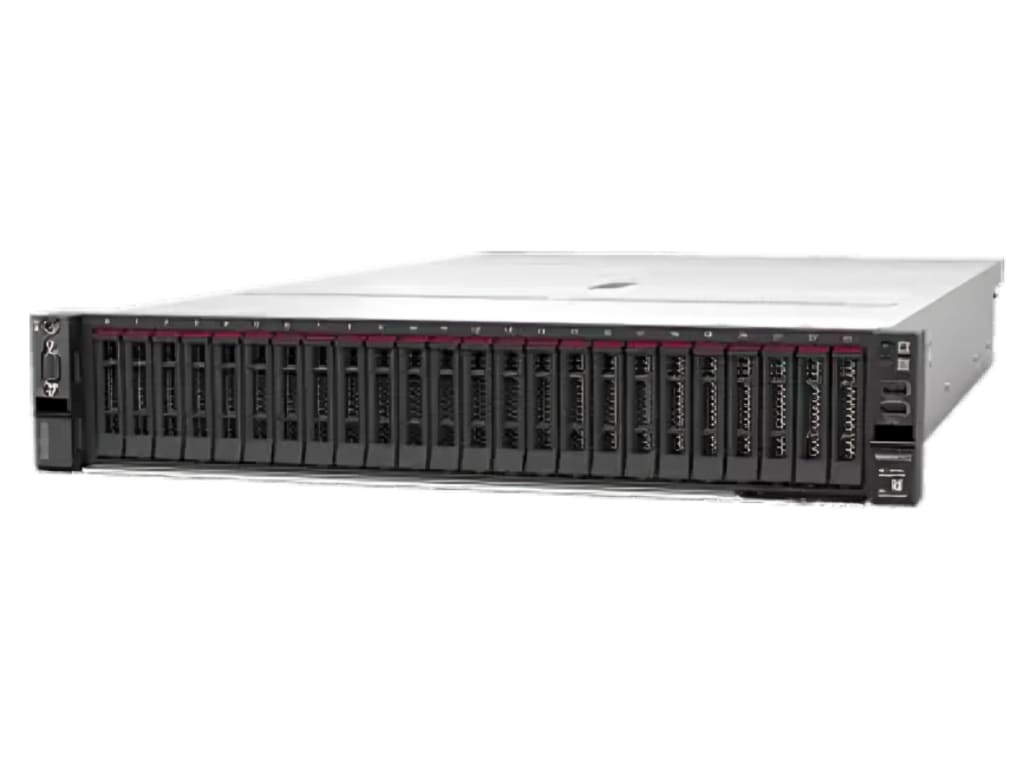
Strong and flexible IT systems are now vital for almost every company. This is because data must move fast, and applications must stay online.
Your team depends on stable tools to serve clients and partners. And many companies now build this base in a central data room. While doing that, one core choice in that room is the server design.
For many modern data centers, rack mounts have become the standard choice. This setup fits well with clear IT plans and long-term growth. It also helps IT teams control cost and risk.
With a clear rack layout in place, it becomes easier to support new projects and keep service levels high. This article explains the top five benefits and how they support business goals.
1. Efficient Use of Space in the Data Center
Office and data center space is expensive because every inch must create value for the company. And rack mount servers are built to stack in a vertical frame inside a standard rack. This allows many units in a small area and helps keep the layout clean. The result is higher computing power in the same room and more room for network gear and storage.
In a hosted data center, it can also lower monthly rack and floor charges. And for many firms, this delays the need for a larger site and makes it easier to grow in the current building.
Some clear space benefits include:
- Higher density of compute power in each rack
- Less floor space for the same server capacity
- Room for future rack mount in the same aisles
- Easier planning for power and network paths
Standard rack sizes help the IT team plan the layout. If you do this, then power strips and network switches can stay in the same rack. Moreover, cable runs become shorter and easier to track.
When servers are in a clear pattern, the team can find each system in seconds.
2. Easier Management and Maintenance
IT teams face strong pressure to respond fast, and that’s why hardware management must be simple and safe. Rack-mount servers support this goal.
Most units slide on rails. This lets a technician pull one server out, work on it, then slide it back with little effort.
Key management gains include:
- Front-facing ports and status lights for quick checks
- Clear labels on racks and units to reduce mistakes
- Simple access to drives, memory, and cards for upgrades
- Shared tools and spare parts across many rack mounts
Integrated management cards allow power control and console access from a secure room. This reduces on-site visits inside the data hall. As a result, the company can support more systems with the same team size and keep service windows shorter.
3. High Performance and Reliability
Most business systems must run all day without breaks. And that’s because clients expect fast response and stable service.
Rack-mount servers are designed for this type of workload. They support strong processors, large memory, and fast storage in a compact form.
Also, the chassis is built for steady airflow. The fans are placed so that air moves across the most critical parts.
Power supplies often come in pairs too. If one fails, the other keeps the server running. Because when servers rack mount with shared power and network paths, the full platform can handle faults without major loss of service.
This design is ideal for virtual machines and containers. Many business apps can share the same high grade hardware. That means better use of each unit and more value from each rack slot. This mix of performance and uptime supports core systems and client platforms.
4. Simple Scalability for Growing Workloads
Most companies plan for growth as new clients, new services and new data streams all place more load on IT systems. But rack mount servers make it easier to scale in a planned way.
When demand grows, the team can add new units to empty slots in an existing rack. The power and network links are already in place. There is no need to redesign the whole room. This step by step path protects earlier investments.
For many IT teams, the scalable model looks like this:
- Start with one or two racks for key services
- Add more servers rack mount as projects grow
- Use older units for light tasks and newer ones for critical workloads
- Replace aging hardware row by row with limited impact
Standard rack sizes also make it easier to mix models from the same vendor family. Over time, the IT team can swap out older hardware with little impact. When servers use a clear plan, the business gains a flexible path for future change.
5. Better Security and Compliance Readiness
Security is now a board-level topic. Many firms must show that critical systems placed in safe and controlled areas. Rack-mount servers help support both physical and policy controls.
Racks can be locked. Doors on the front and back limit direct access to hardware. Only trusted staff can enter the data room. This reduces the risk of theft or tampering. Many companies also add cameras and access logs for each visit.
When servers are rack-mounted in fixed racks, inventory control is simpler. Each unit has a clear place and ID. This supports audit trails for regulated sectors. It also helps when a company must prove that client data stays on specific systems or in a defined region.
Conclusion
Rack-mount servers give businesses a strong and ordered base for key IT services. They use space well and support planned airflow. This reduces both power cost and heat risk in the data room. Standard racks make daily work and long-term changes easier for IT teams.
High-performance and fault-ready parts improve uptime. This supports core apps and client-facing platforms. As demand grows, new units can slide into free rack slots. This keeps capital plans flexible and linked to real needs.
With server racks mounted in secure racks, firms also gain better physical control and proof for audits. For many modern companies, this model offers a clear path to stable growth and a more resilient digital future.
About the Creator
Arthur Leo
Hii! Arthur Leo is a passionate writer covering technology, fashion, lifestyle, and health, blending insights on AI, style, wellness, and modern living.
Keep reading
More stories from Arthur Leo and writers in Gamers and other communities.
Can AI Laptops Improve Your Video Call Experience?
Video calls are now a daily part of life. People use them for school and work. Families use them to stay close. Reports show that more than 66 percent of people in the United States take part in video calls every week.
By Arthur Leo4 months ago in Gamers
The Real Life of a Professional Poker Player: Myths and Reality
The life of a professional poker player often looks exciting from the outside. Television broadcasts show dramatic all-in moments, massive tournament prizes, and players celebrating victories under bright casino lights. Social media also contributes to this image by highlighting success stories, luxury travel, and high-stakes games. Because of this exposure, many people believe that professional poker players live an easy and glamorous life.
By Micah Raskin Poker 6 days ago in Gamers
Winning the Deal: Sports Tactics That Strengthen Lending Strategy
Every great sports team begins with preparation. Baseball managers study pitchers, hitters, and field positions before the game starts. Football coaches review game film and plan plays based on the opponent’s defense. In the same way, lenders should prepare carefully before any negotiation begins. Preparation builds clarity and confidence. It also helps lenders see risks early and avoid costly mistakes. For this reason, many successful professionals rely on a clear lending negotiation strategy before entering a financial discussion.
By James Cretella5 days ago in Gamers
Pandora’s Burden
“My brother warned me to not accept gifts from the one who commissioned you,” said Epimetheus to the woman clad in silvery raiments standing at the entrance to the temple. Her silver tiara and the silver rings on her fingers and toes glinted in the firelight cast by torches set on either side of the doorway. Lingering in the shadows, beyond the reach of the flames as she was, he could not tell what she held in her hands. At first what appeared to be a box was perhaps a funerary urn, or maybe merely an apple.
By J. Otis Haasa day ago in Fiction


Comments
There are no comments for this story
Be the first to respond and start the conversation.