
THE INCLUSION OF SKATEBOARDING IN THE TOKYO OLYMPICS
The Evolution of Skateboarding From Street Culture to Olympic Stage.

The Inclusion of Skateboarding in the Tokyo Olympics
The 2020 Summer Olympics in Tokyo marked a significant milestone in the history of the Games, as skateboarding was introduced as an official Olympic sport for the first time. This inclusion reflected the evolving nature of the Olympics, which has continually embraced new sports and disciplines to attract younger audiences and diversify the competition. The decision to add skateboarding was part of the International Olympic Committee's (IOC) efforts to modernize the Games and keep up with global sports trends.
The Path to Olympic Recognition
The push for skateboarding's inclusion in the Olympics had been gaining momentum for years. Skateboarding, which originated in the United States during the 1940s and 1950s as a way for surfers to practice their moves on land, quickly grew into a global subculture. By the 1980s and 1990s, skateboarding was already an established competitive sport with professional athletes, brands, and sponsorships.
In 2000, the idea of including skateboarding in the Olympics began to take shape. The sport was presented to the IOC by the International Skateboarding Federation (ISF) and other stakeholders, aiming to gain recognition and establish a formal global competition structure. Despite the growing popularity of the sport, it took several years for skateboarding to break through the Olympic barrier.
One key factor that played a role in the inclusion of skateboarding in the Tokyo Olympics was the IOC's desire to attract a younger audience. The IOC recognized the need to adapt to changing trends and interests, particularly those of younger generations. This led to the decision to add several "urban sports," such as skateboarding, surfing, and sport climbing, in a bid to appeal to new fans and showcase more diverse athletic skills.
The Tokyo 2020 Skateboarding Events
In Tokyo 2020, two types of skateboarding events were introduced: the street competition and the park competition. Both events had distinct formats, and the athletes’ performances were judged based on their creativity, skill, and style.
- Street Competition: This event simulates the environment of a real-world street, with obstacles such as stairs, rails, and curbs. Skaters are required to perform tricks on these obstacles, and their routines are scored based on the complexity and execution of each trick. The street event emphasizes the technical skills of the skaters, as they perform tricks in quick succession while navigating an urban landscape.
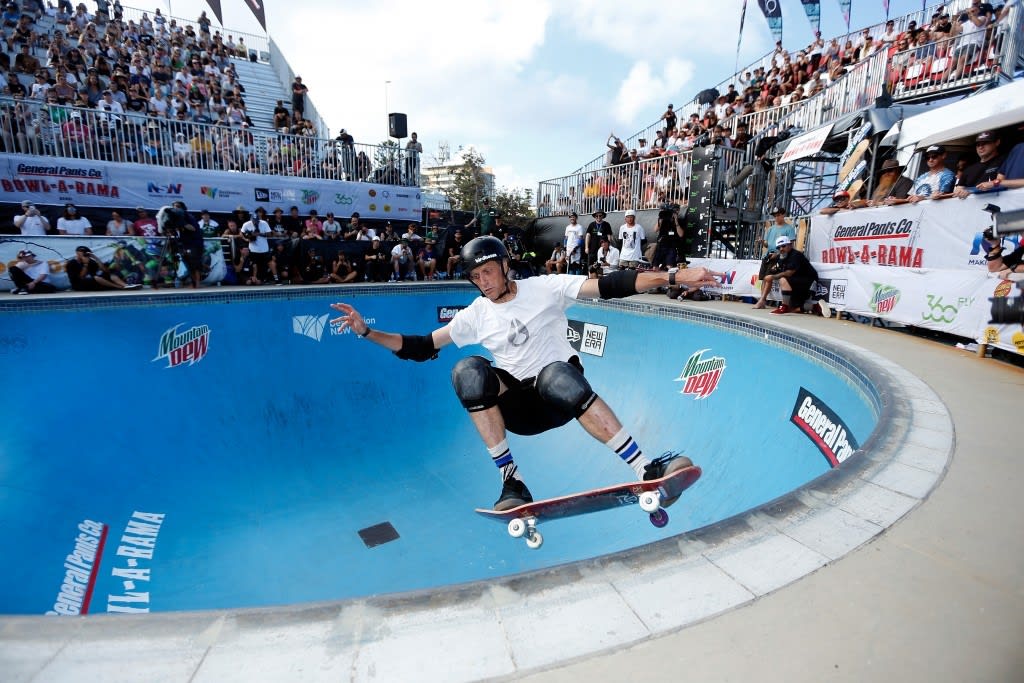
- Park Competition: This event takes place in a bowl-like structure, resembling a mini-ramp or half-pipe. The athletes perform aerial tricks and transitions, as well as speed and control maneuvers within the park. The park event rewards creativity and amplitude, as skaters launch themselves high above the bowl to perform flips, spins, and grabs.
A Historic Moment for Skateboarding
The inclusion of skateboarding in the Tokyo 2020 Olympics was a historic moment for the sport. The Games showcased the talent and athleticism of skaters from around the world, many of whom were already established figures in the skateboarding community. The competition highlighted the growing respect for skateboarding as a legitimate sport rather than just a recreational activity or subculture.
A standout moment from the Tokyo Olympics came in the women's street competition, where Momiji Nishiya, a 13-year-old from Japan, won the gold medal, becoming one of the youngest Olympic gold medalists in history. This victory helped cement skateboarding's place in the Olympic world, demonstrating that skateboarding can be a sport for people of all ages, regardless of gender or background.
Another major highlight was the performance of Nyjah Huston from the United States, one of the most decorated skateboarders in history, who participated in the men's street competition. Huston, despite being a favorite, did not win a medal, which spoke to the unpredictable and dynamic nature of skateboarding. This unpredictability is a key aspect that sets skateboarding apart from traditional Olympic sports, where more rigid structures and rules often determine outcomes.
The Impact on the Skateboarding Community
The inclusion of skateboarding in the Olympics sparked both excitement and some controversy within the skateboarding community. Many professional skateboarders were thrilled to see their sport finally receive the global recognition it deserved, while others expressed concerns about the commercialization of skateboarding and its potential loss of authenticity. Skateboarding, often viewed as a rebellious and countercultural sport, has been historically resistant to traditional structures and corporate influences. Some purists feared that the Olympic spotlight might dilute the true essence of the sport.
However, the inclusion of skateboarding has brought positive changes to the sport, such as increased exposure and opportunities for skaters. More youth have become interested in taking up skateboarding, seeing it as an avenue to not only express themselves but also potentially reach the Olympic stage. The addition of skateboarding to the Olympics has also opened up new sponsorship and media opportunities for professional skaters.
Looking to the Future
Skateboarding’s successful debut at the Tokyo 2020 Olympics has set the stage for its future in the Olympic Games. The sport's inclusion is expected to continue to grow in popularity, particularly as future generations of skaters pursue Olympic dreams. In addition to skateboarding, other sports such as surfing and sport climbing have also made their Olympic debuts, showcasing the IOC’s commitment to modernizing the Games.
As skateboarding continues to evolve, it will be fascinating to see how the sport adapts to the high level of competition and the broader spotlight of the Olympics. The sport's community will likely continue to influence and shape its future direction, balancing the pursuit of Olympic success with its deeply ingrained roots in freedom, creativity, and individuality.
Conclusion
The inclusion of skateboarding in the Tokyo 2020 Olympics was a landmark moment that marked the sport’s arrival on the world stage. As a symbol of youth culture and creativity, skateboarding’s Olympic debut demonstrated the IOC’s willingness to embrace new, modern sports that connect with a younger generation. With its vibrant culture and dynamic athletes, skateboarding has secured its place in Olympic history, and its impact on the Games will continue to resonate for years to come.
About the Creator
Badhan Sen
Myself Badhan, I am a professional writer.I like to share some stories with my friends.
Keep reading
More stories from Badhan Sen and writers in Gamers and other communities.
THE EVOLUTION OF OLYMPIC SWIMMING EVENTS
The Evolution of Olympic Swimming Events Olympic swimming events have undergone significant changes since their debut at the first modern Olympic Games in 1896. From the introduction of new disciplines and the evolution of swimming techniques to the advent of technological advancements, the swimming events have transformed into the spectacle we know today. Swimming has not only been a prominent part of the Summer Olympics but also a showcase of human potential in the water. The journey of Olympic swimming events is a story of innovation, hard work, and athleticism.
By Badhan Senabout a year ago in Gamers
A Dart at Dusk
Seconds ago, the sullen sun set on the two of us… my exuberant furry companion and me. A fresh breeze embraces us, delivering welcome relief from the day’s oppressive heat. His typical stumbling and staggering along — apace with a sloth — has turned into trip-trapping, high-stepping, almost skipping along.
By Angie the Archivist 📚🪶5 days ago in Petlife




Comments (2)
Hello, just wanna let you know that we have to choose the "AI-Generated" tag before publishing when we publish AI-Generated content 😊
It is a fun event to watch except when they fall. That got to hurt. Good article.