
THE OLYMPICS AS A CATALYST FOR INFRASTRUCTURE DEVELOPMENT
Transformative

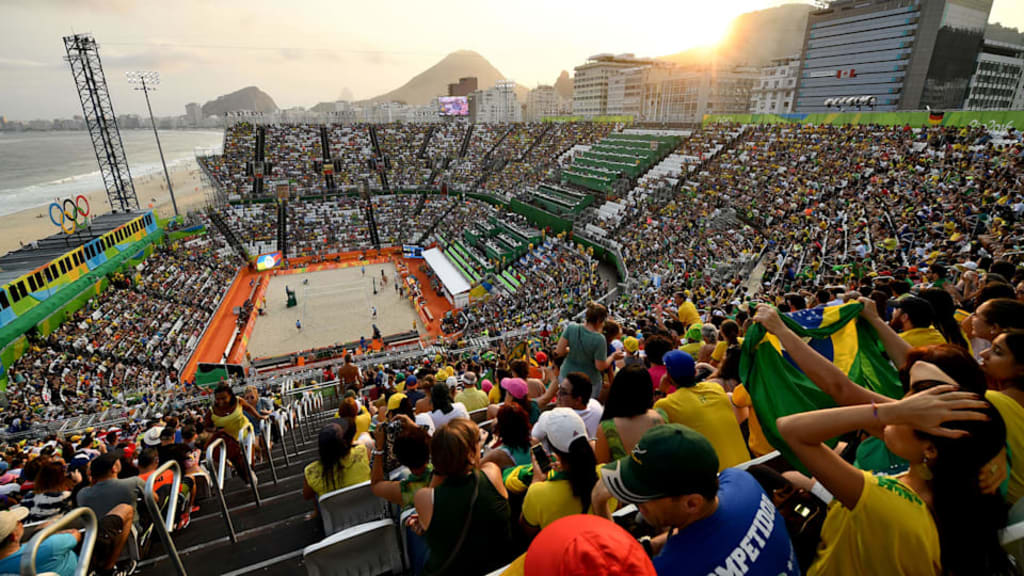
The Olympic Games, one of the world’s most prestigious sporting events, have long been a catalyst for urban transformation and infrastructure development in host cities. Each edition of the Olympics brings with it a unique set of challenges and opportunities, particularly in terms of enhancing a city's infrastructure to accommodate the influx of athletes, spectators, and the global media attention that comes with the event. While the Games are often associated with athletic achievement, they also serve as a powerful tool for urban regeneration and economic growth, leaving a lasting legacy for the host city. However, the true impact of Olympic-related infrastructure development is mixed, as it can lead to both long-term benefits and significant challenges.
Infrastructure Upgrades and Construction
One of the most visible ways in which the Olympics drive infrastructure development is through the construction of new sports facilities, transportation systems, and housing. This development is essential to ensure that the host city can effectively accommodate thousands of athletes, officials, and visitors from around the world. For example, the 2008 Beijing Olympics saw the construction of the iconic Bird's Nest stadium, the Water Cube, and an entire new set of venues for various sports, which were complemented by modern transportation systems, including the Beijing Subway expansion. Similarly, the 2012 London Olympics led to the regeneration of East London, with new venues like the London Olympic Stadium and the Aquatics Centre, as well as enhanced transport connections such as the Docklands Light Railway (DLR).
In addition to the physical sports infrastructure, the host city often invests heavily in improving its public transportation systems to ensure smooth movement of people. This includes the construction of new airports, high-speed rail networks, roads, and bridges. The 1964 Tokyo Olympics, for instance, led to the development of Japan’s first bullet train, the Shinkansen, which revolutionized high-speed rail travel not only in Japan but also influenced global transportation standards.
Urban Regeneration and Economic Growth
The Olympics also serve as a powerful tool for urban regeneration, particularly in areas that have been neglected or underdeveloped. The construction of Olympic villages and sports complexes often leads to significant improvements in surrounding neighborhoods. The 1992 Barcelona Olympics, for instance, transformed the city’s waterfront area, which had previously been underutilized, into a thriving district with new residential and commercial developments. The Olympics injected millions of dollars into the local economy, stimulating tourism, creating jobs, and providing a foundation for future urban growth.
Economic growth spurred by the Olympics is not limited to the construction of infrastructure. It extends to increased tourism, both during the Games and in the years following. Host cities often experience a surge in international visitors who come to see the Olympic Games, and the positive exposure generated by the event can boost the city’s global reputation, attracting investments and new businesses. This increased economic activity can have a ripple effect throughout the economy, providing a long-term boost to industries such as hospitality, retail, and technology.
The Challenges of Olympic Infrastructure
Despite the many benefits, there are also significant challenges that come with Olympic-driven infrastructure development. One of the primary issues is the "white elephant" problem: the risk of building costly infrastructure that may become underused or abandoned after the Games. For example, the 2008 Beijing Olympics left behind several venues that were heavily subsidized by the government but struggled to find sustainable uses after the event. Similarly, the 2016 Rio Olympics faced criticism for underutilized stadiums and facilities, leading to wasted public funds and long-term maintenance costs.
Another challenge is the displacement of local communities. In many cases, the construction of Olympic venues requires the clearance of slums or the relocation of residents, raising questions about the social cost of infrastructure development. For instance, during the preparation for the 2014 Sochi Winter Olympics, thousands of people were displaced as the city underwent large-scale reconstruction, leading to widespread protests and criticism from human rights groups.
Sustainability and Legacy
An essential factor in evaluating the effectiveness of Olympic infrastructure is its sustainability. With increasing global concerns about climate change and environmental impact, there is growing pressure on host cities to prioritize sustainable construction practices. The 2020 Tokyo Olympics (held in 2021) made strides in this direction by using environmentally friendly materials for Olympic venues and implementing waste reduction and energy-efficient initiatives. Similarly, Paris 2024 aims to use existing infrastructure wherever possible and focus on sustainable development, ensuring that the long-term benefits outweigh the temporary costs.
The legacy of Olympic infrastructure can be seen in cities that successfully leverage their investments. For example, the 2000 Sydney Olympics led to lasting benefits, including the development of the Sydney Olympic Park, a thriving district for sports and entertainment, as well as improved transportation links that continue to serve the city today.
In The End
In conclusion, the Olympics undeniably act as a catalyst for infrastructure development, bringing immediate improvements in transport, sports venues, and urban regeneration. While the economic and social impacts can be transformative, the long-term success of Olympic infrastructure depends on careful planning, sustainability, and the ability to ensure that the infrastructure remains relevant after the Games. By focusing on legacy and responsible development, the host city can harness the full potential of the Olympics to create a lasting positive impact for generations to come.
About the Creator
Badhan Sen
Myself Badhan, I am a professional writer.I like to share some stories with my friends.
Keep reading
More stories from Badhan Sen and writers in Gamers and other communities.
POST-OLYMPICS TOURISM:CASE STUDIES AND SUCCESS STORIES
Hosting the Olympics is a major event for any country, bringing a surge in tourism, international attention, and economic benefits. However, the challenge remains in sustaining that tourism boom once the games conclude. Post-Olympics tourism refers to the strategies used by host cities to maintain tourist interest after the games are over, ensuring that the economic and cultural benefits continue long-term. This article explores some of the successful post-Olympics tourism strategies through case studies of previous host cities.
By Badhan Senabout a year ago in Gamers
Avowed to Playstation 5
Avowed is a first-person action role-playing video game developed by Obsidian Entertainment and published by Xbox Game Studios. Set in the fantasy world of Eora, the same universe as Pillars of Eternity, the game blends deep narrative and choice-driven gameplay with immersive combat and exploration.
By Games Mode On7 days ago in Gamers



Comments
There are no comments for this story
Be the first to respond and start the conversation.