
POST-OLYMPICS TOURISM:CASE STUDIES AND SUCCESS STORIES
Exploring the Impact of Post-Olympics Tourism:Case Studies and Success Stories.

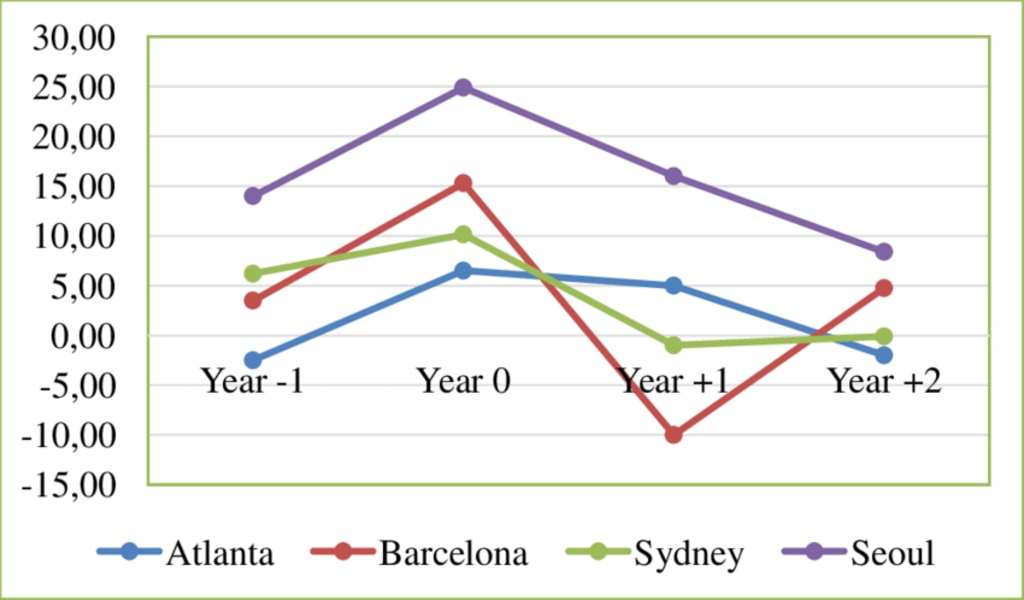
Hosting the Olympics is a major event for any country, bringing a surge in tourism, international attention, and economic benefits. However, the challenge remains in sustaining that tourism boom once the games conclude. Post-Olympics tourism refers to the strategies used by host cities to maintain tourist interest after the games are over, ensuring that the economic and cultural benefits continue long-term. This article explores some of the successful post-Olympics tourism strategies through case studies of previous host cities.
(I)Barcelona 1992: A Model for Urban Transformation
Barcelona’s success in leveraging the Olympics for post-event tourism is often hailed as a textbook example. The city underwent a massive transformation in preparation for the 1992 Summer Olympics, with the most significant developments occurring in the infrastructure and tourism sectors.
Before the Games, Barcelona was not a major tourist destination, but the Olympics provided an opportunity to showcase the city’s culture and attractions. Key projects included the revitalization of the waterfront, which had been largely industrial, and the construction of new sports facilities, hotels, and transportation systems. The Olympic Village was redeveloped into luxury residential areas, and the iconic Montjuïc Olympic Park became a focal point for visitors. Post-Olympics, Barcelona capitalized on these developments by promoting itself as a year-round tourist destination, offering not only sports-related attractions but also a rich cultural experience.
The Barceloneta Beach, which had been underutilized before the Games, became a key tourist destination, drawing both local and international visitors. Additionally, the Olympics brought global recognition to the city, enhancing its appeal for leisure and business tourism. Today, Barcelona remains one of the most visited cities in Europe, with tourism being one of its major economic sectors. The city’s ability to turn its Olympic legacy into a sustainable tourism brand is one of the most successful examples of post-Olympics tourism management.
(II)London 2012: Leveraging Legacy for Cultural Tourism
The London 2012 Olympics is another example of a city that successfully turned the Olympics into a long-term tourism asset. The Olympic Park, situated in the East End of London, was one of the main beneficiaries of the Games, with large-scale regeneration efforts that aimed to revitalize a historically underdeveloped area. After the Olympics, the park was rebranded as the Queen Elizabeth Olympic Park, and the venues were repurposed for public use and events.
The London 2012 Games set a precedent for leveraging cultural and sporting legacies to boost tourism. The London Eye, Tower of London, and West End theatres all saw an uptick in visitors after the Games, capitalizing on the heightened global interest in the city. The events surrounding the Olympics, such as the BBC Proms and British Museum exhibitions, also contributed to the continued cultural tourism success.
Post-Olympics, London saw a surge in international visitors, and the city used the Olympic legacy to further promote its brand as a center of culture, heritage, and sport. Major events, such as the 2017 World Athletics Championships and 2018 UEFA Champions League Final, were also staged in London, reinforcing its status as a global destination for sports and tourism. This strategic use of the Games' legacy contributed to a boost in international tourism numbers.
(III)Sydney 2000: A Strategic Focus on Nature and Sustainability
Sydney’s 2000 Summer Olympics marked another success story in terms of post-event tourism. Like Barcelona, Sydney used the Games to invest in infrastructure, with significant upgrades to transportation networks, the Sydney Olympic Park, and sports venues. However, Sydney's post-Olympic strategy also focused heavily on nature, sustainability, and eco-tourism, which has played a major role in maintaining its tourism appeal in the years following the Games.
The Sydney Opera House, Bondi Beach, and Royal Botanic Garden continued to attract visitors in the aftermath of the Olympics. In addition, Sydney leveraged its iconic Harbour Bridge and stunning coastline to enhance its appeal as a destination for nature tourism. The city also focused on sustainable tourism, with initiatives such as promoting eco-friendly hotels and outdoor experiences, which were particularly appealing to environmentally-conscious travelers.
Sydney’s tourism industry continued to thrive by maintaining the momentum generated during the Olympics. The city promoted itself as a gateway to Australia’s broader tourism offerings, including visits to the Great Barrier Reef and Uluru, ensuring that the Olympics were not seen as a one-time event but rather a part of a broader tourism experience.
(IV)Rio de Janeiro 2016: Overcoming Challenges for Long-term Success
The 2016 Rio de Janeiro Olympics presented a more complex case due to the economic challenges faced by Brazil in the years following the Games. However, Rio made significant efforts to utilize its Olympic infrastructure to boost post-Olympic tourism. The Olympic Park, Maracanã Stadium, and Barra da Tijuca were re-purposed for public use, while Rio’s rich cultural heritage and natural beauty remained central to its tourism strategy.
Rio's famous beaches, such as Copacabana and Ipanema, continued to attract millions of tourists annually, while its lively Carnival, samba culture, and vibrant nightlife ensured a steady stream of visitors. Despite economic downturns, the Olympic Games put Rio on the global map, making it a major tourist hub for Brazil.
However, Rio's post-Olympics tourism story is also a reminder of the challenges cities may face in maintaining tourism after the Games. Economic instability, political issues, and the COVID-19 pandemic have affected tourism numbers, but Rio continues to leverage its brand as a destination for both adventure and cultural tourism.
In The End
The success of post-Olympics tourism depends on effective planning and long-term vision. Cities like Barcelona, London, and Sydney have effectively used the Olympic Games as a springboard for continued tourism growth by repurposing infrastructure, promoting cultural and environmental initiatives, and maintaining a strategic focus on branding. While Rio de Janeiro has faced challenges, its tourism appeal still endures, underscoring the long-lasting effects of hosting the Olympics. The key takeaway is that with the right planning, the benefits of hosting the Olympics can extend far beyond the Games themselves, creating a legacy of global tourism appeal.
About the Creator
Badhan Sen
Myself Badhan, I am a professional writer.I like to share some stories with my friends.
Keep reading
More stories from Badhan Sen and writers in Gamers and other communities.
HOW THE OLYMPICS INFLUENCE NATIONAL PRIDE AND IDENTIFY
The Olympics, one of the most prestigious and celebrated global sporting events, holds a profound influence on national pride and identity. The Games not only bring together the world’s elite athletes but also offer a stage where nations can showcase their cultural and athletic prowess. The impact of the Olympics extends far beyond the realm of sport; it influences national consciousness, fosters unity, and provides a platform for countries to strengthen their identity on the world stage.
By Badhan Senabout a year ago in Gamers
Diablo IV Season 11 Class Rankings: The Definitive Guide to Picking Your Hero and Avoiding Early-Game Burnout
With the arrival of Season 11, Diablo IV now boasts seven distinct classes: Sorcerer, Necromancer, Rogue, Barbarian, Druid, Spiritborn, and Paladin. Given the steep price of entry—often around $70—choosing the wrong starter can lead to immediate burnout. This review, based on clearing Pit Tier 55 and reaching Torment IV with every class, aims to help you spend your time and money wisely.
By hasan zidan4 days ago in Gamers



Comments (1)
I believe that this article would make a good lecture for a General Economics lecture.