
THE OLYMPICS AND ITS IMPACT ON URBAN DEVELOPMENT IN HOST CITIES
Examining the Long-Term Effects on Infrastructure,Economy,and Social Change.

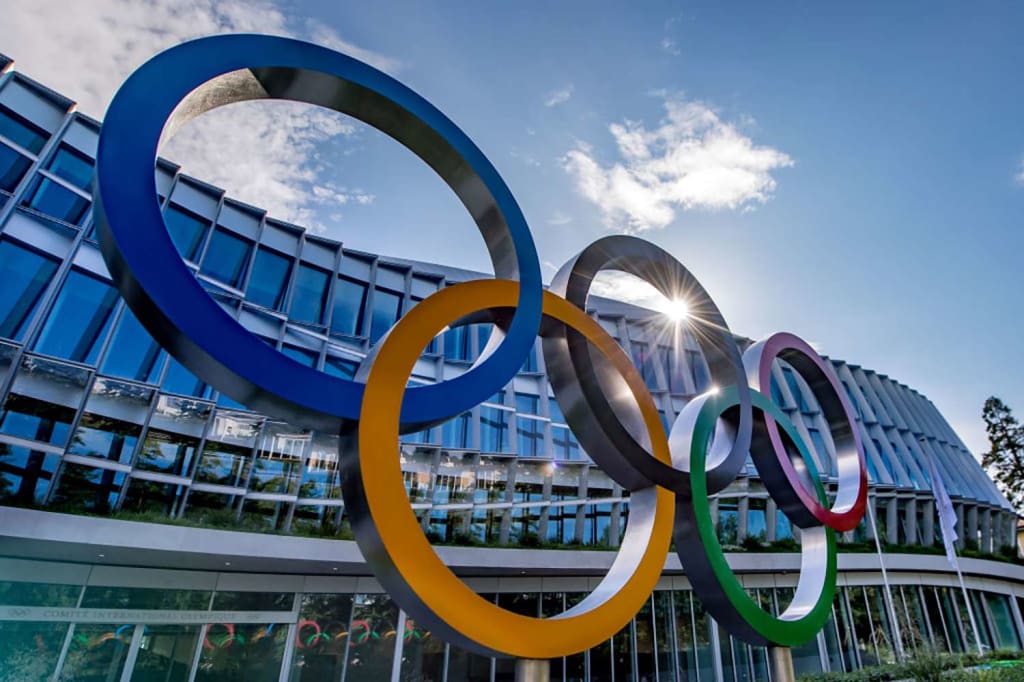
The Olympic Games, one of the most prestigious global sporting events, have a profound impact on the host cities, going beyond sports to influence urban development, infrastructure, and socio-economic growth. While the games are an opportunity to showcase national pride and attract international attention, their impact on urban development is a complex interplay of benefits and challenges.
(I)Transformation of Infrastructure
A primary outcome of hosting the Olympics is the development of state-of-the-art infrastructure. Host cities often invest heavily in constructing stadiums, athlete villages, and transportation systems. For instance, the 2012 London Olympics led to the revitalization of the East London area, with the construction of the Queen Elizabeth Olympic Park, which transformed a previously neglected part of the city into a thriving hub of activity.
Similarly, the 2008 Beijing Olympics saw the creation of iconic structures like the Bird’s Nest Stadium and the Water Cube, along with significant improvements in urban transport, such as expanded metro lines. These infrastructures often become lasting legacies that enhance the city’s global standing and functionality. However, there is a risk that such investments may turn into "white elephants," underutilized and costly to maintain after the event.
(II)Economic Stimulus and Job Creation
The preparation for the Olympics often serves as a catalyst for economic growth. The construction of facilities and improvement of urban infrastructure generate thousands of jobs in the lead-up to the games. The influx of tourists during the event provides a short-term boost to local businesses, particularly in the hospitality and retail sectors.
For instance, the 1992 Barcelona Olympics are often cited as a model of leveraging the games for urban and economic revitalization. The city used the event to rebuild its waterfront, construct new hotels, and improve public spaces, transforming Barcelona into a top tourist destination.
However, economic gains are not always guaranteed. The costs of hosting the Olympics often exceed initial estimates, leading to financial deficits. The 2004 Athens Olympics, for example, contributed to Greece’s financial struggles due to overspending and limited post-event utilization of the venues.
(III)Urban Regeneration and Housing
Olympic-driven urban development often involves the regeneration of neglected or underdeveloped areas. This is evident in the transformation of Stratford, London, into a vibrant urban district post-2012. The Olympic Village, initially used to house athletes, was converted into affordable housing, addressing some of the city's housing challenges.
However, urban regeneration is sometimes accompanied by gentrification, displacing low-income residents due to rising property values and rents. For example, the 1988 Seoul Olympics led to the eviction of thousands of residents as the city cleared informal settlements to make way for new developments. While the infrastructure improvements benefitted the city, the social costs highlighted the need for inclusive urban planning.
(IV)Environmental Sustainability
In recent years, the Olympics have increasingly prioritized sustainability. Host cities are now incorporating eco-friendly practices in their urban development plans. The 2020 Tokyo Olympics, delayed to 2021, were notable for their focus on sustainability, with the use of renewable energy, recycled materials, and sustainable building practices.
However, large-scale developments can have adverse environmental effects. Deforestation, loss of green spaces, and increased waste are common criticisms. Balancing development with environmental protection remains a challenge for host cities.
(V)Long-Term Cultural and Social Impact
Hosting the Olympics fosters a sense of unity and national pride. It also enhances a city's cultural and global image, attracting future investments and tourism. For example, the Sydney 2000 Olympics significantly boosted Australia’s global reputation and made Sydney a more desirable tourist and business destination.
However, the social impacts are not always positive. The displacement of communities, unequal distribution of economic benefits, and focus on short-term gains over long-term needs can exacerbate social inequalities.
(VI)Challenges and Considerations
While the Olympics offer opportunities for urban development, they also come with significant risks:
- Cost Overruns: Host cities often face cost overruns that strain public finances. The 2016 Rio de Janeiro Olympics left Brazil with significant debt and underutilized facilities.
- Equitable Development: Ensuring that development benefits all residents, particularly marginalized communities, is a critical challenge.
- Post-Olympic Use: The long-term usability of Olympic facilities is vital to avoid wasting resources.
End
The Olympics can be a transformative force for host cities, driving infrastructure improvements, economic growth, and urban regeneration. However, their success depends on careful planning, sustainable practices, and equitable development. By learning from past experiences, future host cities can maximize the benefits of the games while minimizing the challenges, ensuring that the Olympics leave a lasting positive legacy.
About the Creator
Badhan Sen
Myself Badhan, I am a professional writer.I like to share some stories with my friends.
Keep reading
More stories from Badhan Sen and writers in Gamers and other communities.
HOW THE OLYMPICS HAVE CHANGED THE GLOBAL SPORTS LANDSCAPE
The Olympics, a prestigious international sporting event, have profoundly transformed the global sports landscape over the years. From their ancient origins in Greece to the modern iterations held across the globe, the Olympics have evolved into a platform that not only showcases athletic excellence but also fosters unity, cultural exchange, and economic growth. The Games have redefined how we perceive sports, athletes, and their role in society.
By Badhan Senabout a year ago in Gamers
Dodgers
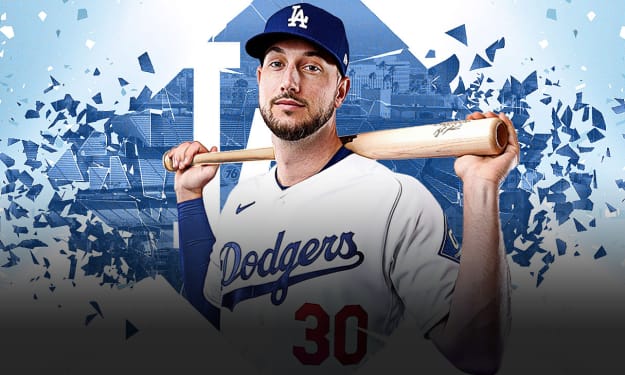
The Los Angeles Dodgers have long been one of the most influential franchises in MLB, known for combining elite player development with the financial flexibility to pursue top-tier talent. From consistent postseason appearances to being counted among recent World Series winners, the Dodgers continue to shape league-wide conversations. As the new season approaches, Dodgers news is once again dominated by roster construction, payroll discussions, and persistent MLB trade rumors—especially those surrounding Kyle Tucker. The Dodgers’ Identity in Modern MLB Few teams balance tradition and innovation quite like the LA Dodgers. Their front office has mastered analytics while still valuing star players who can deliver in October. The current Dodgers roster reflects that philosophy, blending established veterans with emerging talent. Over the years, names like Cody Bellinger have defined eras of success, while new possibilities continue to fuel speculation. The Dodgers’ ability to remain competitive is also tied to their willingness to maintain a high Dodgers payroll. While they are not reckless spenders, they are strategic—targeting players who can elevate both performance and brand value. Kyle Tucker and Why He Fits the Dodgers Narrative Among the most discussed names in recent MLB rumors is Kyle Tucker. A consistent offensive presence and reliable defender, Tucker has emerged as one of the most complete players in modern baseball. Naturally, that has led to growing interest in a potential Kyle Tucker Dodgers scenario. So, what position does Kyle Tucker play? Tucker is primarily a right fielder, though his athleticism allows flexibility across the outfield. That versatility makes him especially attractive to teams like the Dodgers, who value adaptable Dodgers outfielders capable of handling high-pressure situations. The phrase “Tucker baseball” has become shorthand for a balanced skill set: power, patience, and postseason reliability. It’s no surprise that Kyle Tucker news often trends alongside big-market teams. Contracts, Agents, and the Cost of Stardom Any serious discussion of Tucker to Dodgers inevitably leads to contract considerations. The idea of a Kyle Tucker contract Dodgers deal raises questions about years, value, and long-term impact. While no official Kyle Tucker deal has been announced, speculation continues around what such a move would require. The Kyle Tucker agent would likely prioritize both financial security and a winning environment—two things the Dodgers can credibly offer. Still, committing to a potential Kyle Tucker Dodgers contract would require careful planning, especially with other stars already on the books. Misspellings like kyle.tucker, kyle tuxker, or even kyke tucker frequently appear in online searches, underscoring just how much attention surrounds him across the baseball world. How Tucker Could Shape the Dodgers Lineup If a Dodgers Tucker scenario ever materializes, it would have a major impact on the Dodgers lineup. A projected middle-of-the-order bat like Tucker could slot seamlessly into a Dodgers projected lineup, offering protection for existing stars and adding depth in late-game situations. Comparisons have been drawn between Tucker and former Dodgers standouts like Bellinger, particularly in terms of two-way impact. While Cody Bellinger brought elite defense and timely power, Tucker offers a more consistent offensive profile year over year. Competition From the Mets and Other MLB Teams Of course, the Dodgers are not alone in pursuing elite talent. The NY Mets, backed by owner Steve Cohen, have made it clear they are willing to spend aggressively. Mets news often mirrors Dodgers news, especially when it comes to top-tier MLB free agents and trade targets. Names like Edwin Diaz and Bo Bichette frequently appear in league-wide discussions, highlighting how interconnected roster decisions have become. Any move involving Tucker would likely ripple across the league, influencing strategies for teams like the Mets, who remain active in both free agency and trades. MLB Trade Rumors and the Bigger Picture Sites such as MLBTradeRumors regularly analyze scenarios involving Kyle Tucker to Dodgers, though nothing has been confirmed. These rumors reflect a broader truth: elite players drive conversation, even when deals never materialize. The Dodgers understand that not every rumor becomes reality. Still, being linked to players like Tucker reinforces the team’s image as a perennial contender. Whether through trades or internal development, the goal remains the same—build a roster capable of winning another championship. Looking Ahead: What This Means for the Dodgers As the season unfolds, the Dodgers will continue to evaluate opportunities that align with their long-term vision. The idea of Dodgers Kyle Tucker is compelling, but it’s only one chapter in a much larger story about sustained excellence. With a deep farm system, financial flexibility, and a proven track record, the Los Angeles Dodgers remain at the center of MLB news. Whether or not Tucker ever wears Dodger blue, the conversations surrounding him highlight how the franchise continues to influence the direction of the league. In the end, the Dodgers’ success has never hinged on a single move. It’s about smart decisions, calculated risks, and an unwavering commitment to winning—qualities that keep them relevant, respected, and always worth watching.
By Saboor Brohi 3 days ago in Gamers
Marvel Rivals Patch Notes: Season 6 "Night at the Museum" - Full Breakdown, Deadpool Abilities, and Hero Buffs
The wait is almost over! NetEase Games has finally pulled back the curtain on the next massive update for its hit superhero shooter. If you’ve been searching for the latest Marvel Rivals patch notes, you’re in the right place. Season 6, titled "Night at the Museum," is officially set to launch on January 16, 2026, and it’s bringing the Merc with a Mouth along for the ride.
By Info Post Gate5 days ago in Gamers



Comments
There are no comments for this story
Be the first to respond and start the conversation.