
HOW THE OLYMPICS HAVE CHANGED THE GLOBAL SPORTS LANDSCAPE
From Ancient Traditions to Modern Spectacles:How the Olympics Transformed Global Sports and Unity.


The Olympics, a prestigious international sporting event, have profoundly transformed the global sports landscape over the years. From their ancient origins in Greece to the modern iterations held across the globe, the Olympics have evolved into a platform that not only showcases athletic excellence but also fosters unity, cultural exchange, and economic growth. The Games have redefined how we perceive sports, athletes, and their role in society.
Promoting Global Unity and Cultural Exchange
The Olympics have played a pivotal role in fostering global unity. The Games bring together athletes from diverse backgrounds, representing nearly every country on the planet. This convergence serves as a powerful reminder of the shared human spirit, transcending political, cultural, and economic differences.
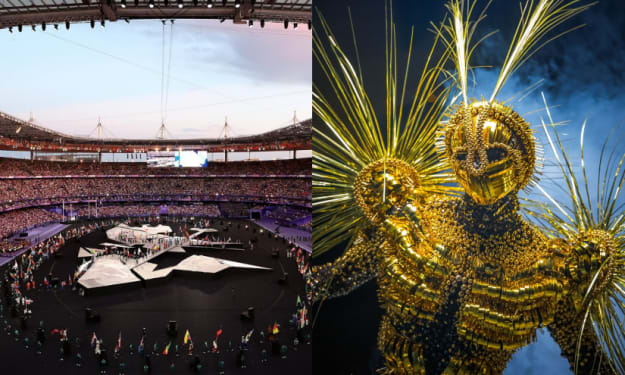
The Parade of Nations, an iconic part of the opening ceremony, is a celebration of global diversity. It symbolizes the possibility of cooperation and harmony, even among countries with strained relationships. For instance, the 2018 Winter Olympics in South Korea witnessed North and South Korea marching together under a unified flag, highlighting the Games' potential as a diplomatic tool.
Beyond politics, the Olympics facilitate cultural exchange. Host countries showcase their heritage through ceremonies and infrastructure, while athletes and spectators alike are exposed to new traditions and perspectives. This cultural interplay enhances mutual respect and understanding on a global scale.
Advancing Sports Science and Innovation
The competitive nature of the Olympics has driven advancements in sports science and technology. Athletes strive to achieve the pinnacle of human performance, pushing the boundaries of physical and mental capabilities. As a result, innovations in training techniques, nutrition, and equipment have emerged, benefiting not only elite athletes but also the general public.
For example, advancements in aerodynamic designs for swimsuits and running shoes, initially developed for Olympic athletes, are now widely available. Similarly, innovations like instant replay technology and goal-line tracking systems, first implemented to ensure fair play during the Games, have since been adopted in professional leagues worldwide.
The emphasis on inclusivity has also led to the development of adaptive sports equipment for Paralympians, paving the way for a more inclusive sports environment for individuals with disabilities.
Boosting Women's Participation in Sports
The Olympics have been instrumental in increasing opportunities for women in sports. When the modern Games were revived in 1896, women were not allowed to compete. By the 1900 Paris Olympics, female athletes participated in limited events, such as tennis and golf.
Today, gender equality in the Olympics is a core principle. The 2020 Tokyo Olympics marked a significant milestone, with an almost equal representation of male and female athletes. Events like gymnastics, figure skating, and soccer have gained widespread popularity among female athletes, inspiring young girls worldwide to pursue sports.
Moreover, the Olympics have elevated female role models, such as Simone Biles, Serena Williams, and Naomi Osaka, whose achievements transcend sports, influencing societal perceptions about gender equality and empowerment.
Economic and Infrastructural Impact
Hosting the Olympics can be a catalyst for economic growth and urban development. Cities like Barcelona (1992) and Beijing (2008) have leveraged the Games to transform their infrastructure and global reputation. The construction of world-class venues, improved transportation networks, and enhanced tourism campaigns contribute to the host country's long-term development.
However, hosting the Games also comes with challenges, including potential financial strain. Cities like Athens (2004) and Rio de Janeiro (2016) struggled with debt and underutilized infrastructure after the Games. The shift toward more sustainable practices, such as reusing venues and limiting excessive construction, reflects the evolving understanding of how to balance economic benefits with practical limitations.
Raising Awareness for Social and Political Issues
The Olympics have often been a stage for raising awareness about pressing social and political issues. Athletes and countries have used the Games to make powerful statements, sparking global conversations.
For instance, Tommie Smith and John Carlos's raised-fist salute during the 1968 Mexico City Olympics brought attention to the Civil Rights Movement in the United States. Similarly, the Refugee Olympic Team, introduced in 2016, highlighted the plight of displaced individuals, offering hope and visibility to millions around the world.
Such moments demonstrate the intersection of sports and societal progress, proving that the Olympics are more than just an athletic event—they are a platform for change.
Inspiring Generations
The Olympics inspire millions by showcasing the determination, skill, and perseverance of athletes. Stories of triumph over adversity, such as those of Usain Bolt, Michael Phelps, and Wilma Rudolph, remind us of the power of human potential.
This inspiration extends beyond professional sports. The Olympic values of excellence, friendship, and respect encourage individuals to embrace a healthier lifestyle and pursue personal goals. The legacy of the Games thus transcends the event itself, shaping the aspirations of future generations.
End
The Olympics have profoundly influenced the global sports landscape by promoting unity, advancing innovation, boosting inclusivity, and inspiring generations. They serve as a testament to the power of sports to unite and transform society. As the Games continue to evolve, they will undoubtedly remain a cornerstone of global culture, celebrating not only athletic achievement but also the shared humanity that binds us all.
About the Creator
Badhan Sen
Myself Badhan, I am a professional writer.I like to share some stories with my friends.
Keep reading
More stories from Badhan Sen and writers in Gamers and other communities.
OLYMPIC CEREMONIES:A FUSION OF CULTURE AND SPORT
The Olympic Games, held every four years, are not only a celebration of athletic prowess but also a grand stage for showcasing the rich tapestry of human culture. Among the many spectacles of the Games, the Olympic Ceremonies—the opening, closing, and medal ceremonies—stand out as iconic events that blend art, history, and sport into an unforgettable experience. These ceremonies are more than just formalities; they serve as global showcases of tradition, unity, and creativity, fostering a sense of camaraderie that transcends national borders.
By Badhan Senabout a year ago in Gamers
Crimson Desert: The Ambitious Open-World RPG That Might Actually Deliver
Crimson Desert is one of those massively ambitious games that only seem to surface every few years. The kind of project that appears out of nowhere, drops a stunning trailer, and instantly makes everyone ask the same question: Is this actually real?
By Info Post Gate6 days ago in Gamers
U4gm Diablo IV Season 11: Tier List and Class Meta Explained
Season 11 of Diablo IV, officially called the Season of Divine Intervention, has shaken up the game like never before. With revamped mechanics, new endgame challenges, and shifts in class balance, players are eager to know which classes dominate in the current meta.
By Billo Nalia day ago in Gamers
Miss Persephone's Manual to a Seemingly Ordinary Life
Miss Persephone was found at the dining table, her blue eyes swollen, her tears arriving and retreating like the tides of the ocean. Earlier that day, her family had visited her in the retirement home where she had lived for eight years. It was her eightieth birthday.
By Imola Tóth3 days ago in Fiction


Comments (1)
Good article on an event that should always be an honor to participate in and not just for the endorsements the athletes may receive, but just for showing an athlete's stick-to-itiveness to want to compete honestly.