
THE OLYMPIC GAMES AND THE GLOBAL TOURISM BOOST
How the World's Biggest Sporting Event Drives International Travel and Economic Growth's.

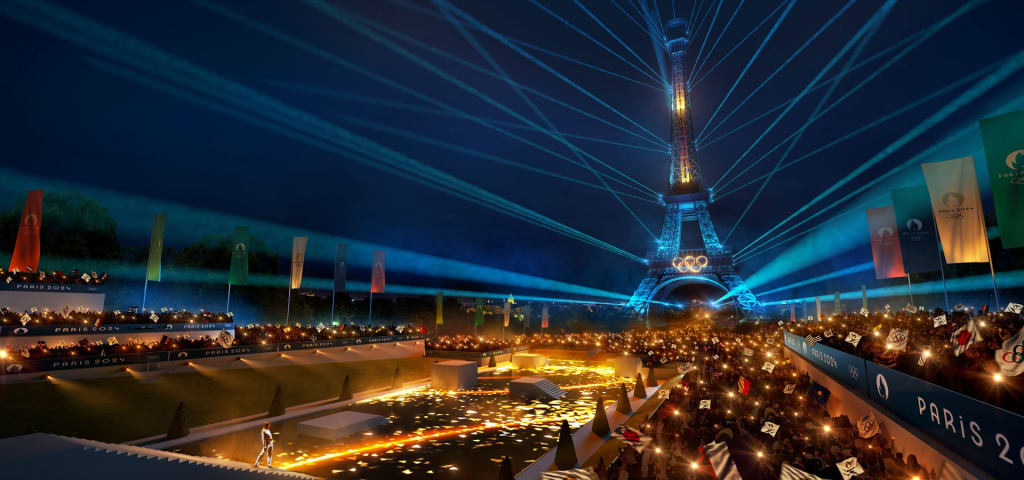
The Olympic Games, one of the world's largest and most prestigious sporting events, has a long history of bringing nations together, fostering unity, and promoting cultural exchange. But beyond the athletic performances and global camaraderie, the Olympics also have a significant impact on global tourism. Whether it's a city hosting the event for the first time or one that has already been an Olympic host, the Games play a crucial role in boosting tourism, driving economic growth, and showcasing the host country's culture and infrastructure to the world.
(I)The Olympics as a Magnet for Tourists
When a city is awarded the privilege to host the Olympic Games, the world’s attention shifts towards it. Millions of spectators from all over the world travel to witness this grand event. Whether it’s the Summer or Winter Olympics, the Games draw large crowds, with tourists eager to experience the excitement of international athletic competition. For cities that host, the influx of visitors is a significant contributor to their tourism revenue.
Take the example of London 2012, which saw an estimated 8 million spectators attending the Games. The event attracted not just sports enthusiasts but also people interested in experiencing British culture, visiting landmarks, and enjoying the many side events that accompanied the Games, such as concerts, exhibitions, and festivals. Similarly, the Beijing 2008 Olympics drew tourists to China in record numbers, helping to promote the city as a global tourism hub while also showcasing Chinese heritage and modernity.
(II)Infrastructure Development and Tourism Growth
The prospect of hosting the Olympic Games encourages cities to invest heavily in their infrastructure, which in turn benefits tourism. These investments often include the construction of world-class sports venues, transportation networks, hotels, and other essential amenities. The Games act as a catalyst for urban regeneration, transforming old neighborhoods and revitalizing areas that were previously underdeveloped or neglected.
For example, Barcelona 1992 was a turning point for the city’s tourism industry. Prior to the Olympics, Barcelona was not as well-known as other European cities like Paris or Rome. However, the Olympics helped position it as a must-visit destination. The development of infrastructure such as the Olympic Village, improved public transportation systems, and the transformation of the waterfront area all helped boost tourism in the years following the event. Today, Barcelona is one of the top tourist destinations in Europe, largely due to the lasting effects of hosting the Olympics.
The Sochi 2014 Winter Olympics is another instance where infrastructure development had a significant impact on tourism. Prior to the Olympics, Sochi was not a major destination for international tourists. But after the event, the city saw an increase in both winter sports tourism and beach tourism, thanks to its new resorts, hotels, and the modern infrastructure built for the Games.
(III)Marketing and Promotion of the Host City
In addition to the physical and infrastructural benefits, the Olympics serve as a marketing tool for the host city. The exposure that a city receives during the Games is unparalleled, as billions of people around the world tune in to watch the opening and closing ceremonies, sporting events, and news coverage. This media spotlight provides the host city with an opportunity to showcase its culture, tourist attractions, and unique experiences to a global audience.
For cities with rich cultural histories, hosting the Olympics offers a chance to showcase their heritage. For example, Athens 2004 highlighted the city’s ancient landmarks such as the Acropolis and the Parthenon, while also emphasizing the modern side of the Greek capital. This blend of the old and the new helped to position Athens as a top destination for cultural tourism.
On the other hand, the Sydney 2000 Olympics gave Australia the opportunity to promote its natural beauty, such as the iconic Sydney Opera House and Great Barrier Reef, alongside its welcoming, laid-back culture. The event is widely regarded as one of the most successful Olympics in terms of tourism promotion.
(IV)Post-Olympics Tourism Boom
The impact of the Olympic Games on tourism often extends far beyond the event itself. After the Games are over, many host cities experience a tourism boom that lasts for years. This is due to the lasting legacy of improved infrastructure, international recognition, and increased awareness of the host city as a travel destination.
For instance, after Beijing 2008, the city continued to see an increase in tourism, with millions of visitors flocking to China to explore its rich cultural history, visit newly built attractions like the Bird’s Nest Stadium, and experience the post-Olympic cityscape. Similarly, Vancouver 2010 benefited from increased tourism in the years that followed, especially from international tourists who came to explore its stunning natural beauty and modern cityscape.
(V)The Challenges and Risks
While the Olympics undoubtedly boost tourism, it’s not without challenges. Hosting the Games involves enormous financial investments and planning. For some cities, the cost of infrastructure development, security, and operational expenses can exceed expectations, leaving them with a burden of debt long after the event is over.
Moreover, there are concerns about overtourism in host cities, where an influx of visitors can lead to overcrowding, environmental degradation, and strain on local resources. Cities like Rio de Janeiro (2016) have faced criticism for the aftermath of hosting the Games, with many of the promised benefits not fully realized.
End
The Olympic Games provide a unique opportunity for host cities to increase their global visibility and enhance tourism, both during and after the event. The Games often serve as a catalyst for urban development and regeneration, transforming host cities into global tourism hubs. The long-term impact of the Olympics on tourism, however, depends on how well cities manage the infrastructure, marketing, and sustainability challenges that come with hosting such a monumental event. Despite these challenges, the Olympics continue to be a major driver of global tourism, bringing nations together and creating lasting legacies for generations to come.
About the Creator
Badhan Sen
Myself Badhan, I am a professional writer.I like to share some stories with my friends.
Keep reading
More stories from Badhan Sen and writers in Gamers and other communities.
HOW THE OLYMPICS SHAPE NATIONAL IDENTIFY AND PRIDE
The Olympic Games, first held in 1896 in Athens, have evolved into one of the world's most prestigious sporting events, bringing together athletes from across the globe to compete for gold, silver, and bronze. While the primary focus of the Olympics is to celebrate athletic excellence, the Games also serve a larger cultural and social function — notably in shaping national identity and fostering national pride. For many countries, the Olympics become a platform not only to showcase athletic talent but to assert a sense of cultural unity and power on the global stage.
By Badhan Senabout a year ago in Gamers
U4gm MLB The Show 26: A Complete Evolution of Baseball Gaming
MLB The Show 26 takes baseball simulation to an entirely new level. This year’s edition isn’t just a simple update — it represents a full evolution of the franchise, combining realism, strategy, and fun in one polished package. From career journeys to competitive online play, every mode has been refined, making the game more immersive and rewarding than ever before.
By Billo Nali4 days ago in Gamers



Comments (1)
The Olympics is quite the business for all before, during and after the events. Good work.