
THE OLYMPIC CEREMONIES AS A REFLECTION OF POLITICAL CHANGE
The Olympic Ceremonies:Mirrors of Political Evolution and Global Shifts.

The Olympic Games, a global sporting event rooted in ancient traditions, have evolved into a stage for political expression and cultural identity. The opening and closing ceremonies, in particular, serve as a reflection of the host nation's political ideologies, cultural values, and aspirations. Over time, these ceremonies have mirrored significant global political changes, from the rise and fall of empires to the end of colonialism, the Cold War, and the ongoing discourse on globalization. This essay explores how Olympic ceremonies encapsulate political change, emphasizing their role as a lens to understand historical and contemporary shifts.
The Historical Context of Olympic Ceremonies
The Olympic Games originated in ancient Greece, where the ceremonies were deeply intertwined with religion and politics. The modern Olympics, revived in 1896 by Pierre de Coubertin, carried the vision of fostering peace and international cooperation through sports. However, from their inception, political undercurrents have shaped the narrative of the ceremonies.
For instance, the 1936 Berlin Olympics, held during Adolf Hitler's regime, became a propaganda tool for Nazi Germany. The opening ceremony showcased grandiose displays of Aryan supremacy and nationalism, reflecting the political climate of the time. Similarly, the 1964 Tokyo Olympics signaled Japan’s post-World War II recovery and reintegration into the global community. These ceremonies not only celebrate athleticism but also project the host nation’s political ambitions and societal transformations.
Olympic Ceremonies and the Cold War
The Cold War era marked a period when Olympic ceremonies became overtly political, serving as arenas for ideological rivalry between the capitalist West and the communist East. The 1980 Moscow Olympics and the 1984 Los Angeles Olympics exemplify this phenomenon. The Moscow ceremony highlighted the Soviet Union’s technological and cultural achievements, projecting the strength of communism. Conversely, the Los Angeles Games, boycotted by the Eastern bloc, emphasized American freedom and creativity, showcasing capitalism's triumph.
During this era, the ceremonies became a medium for nations to assert their dominance and challenge opposing ideologies. They reflected not only the tensions of the Cold War but also the power of cultural diplomacy, as both sides sought to win hearts and minds on the global stage.
The Post-Cold War Era and Globalization
The end of the Cold War and the advent of globalization brought new dimensions to the Olympic ceremonies. They began to emphasize themes of unity, multiculturalism, and environmental sustainability, reflecting a shift towards global cooperation and shared values.
The 2008 Beijing Olympics epitomized this transformation. China used the opening ceremony to showcase its rich history and cultural heritage while projecting its emergence as a global superpower. The precision and scale of the performances, combined with cutting-edge technology, symbolized China's readiness to take center stage in global affairs.
Similarly, the 2012 London Olympics highlighted diversity and inclusion, celebrating British cultural icons and the nation’s historical contributions. It marked a departure from the grandiosity of Beijing, focusing instead on human stories and community values. This shift reflected broader societal changes, emphasizing the importance of individual narratives in an interconnected world.
Political Activism and the Olympics
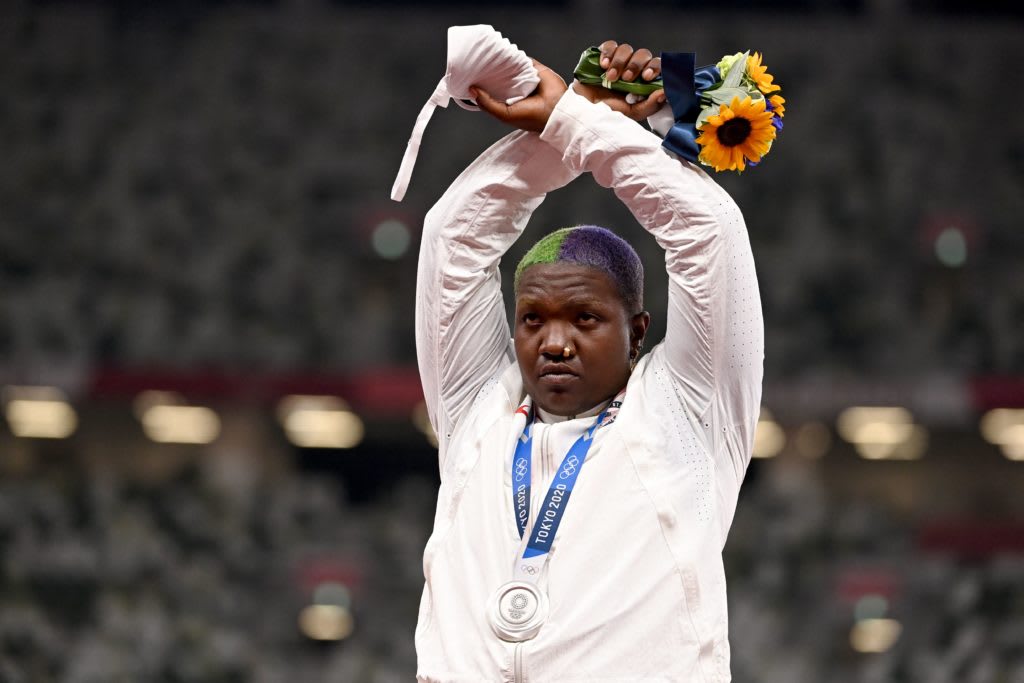
In recent decades, Olympic ceremonies have also become platforms for political activism and social change. The 2021 Tokyo Olympics, delayed due to the COVID-19 pandemic, incorporated tributes to healthcare workers and victims of the virus, reflecting the global health crisis. The ceremony also acknowledged ongoing social justice movements, subtly integrating themes of equality and solidarity.
Moreover, protests and boycotts associated with the Olympics have highlighted political tensions. For instance, the absence of certain national delegations due to political conflicts underscores how the Games intersect with international diplomacy. The ceremonies, as a result, serve not only as celebratory events but also as reminders of unresolved global issues.
In The End: Ceremonies as a Mirror of Political Change
The Olympic ceremonies, with their blend of spectacle and symbolism, provide a unique insight into the political climate of their times. From the propaganda-driven ceremonies of the 1936 Berlin Games to the inclusive narratives of recent events, they have mirrored the evolution of global politics and society. By showcasing national identities, ideological conflicts, and aspirations for peace, these ceremonies transcend sports, becoming platforms for political and cultural expression.
As the world continues to grapple with challenges such as climate change, inequality, and geopolitical tensions, the Olympic ceremonies will likely remain reflective of these issues. They serve as both a barometer of political change and a beacon of hope, reminding us of the enduring potential of unity and collaboration in an increasingly divided world.
About the Creator
Badhan Sen
Myself Badhan, I am a professional writer.I like to share some stories with my friends.
Keep reading
More stories from Badhan Sen and writers in Gamers and other communities.
HOW THE RIO 2016 CLOSING CEREMONY WAS A TRIBUTE TO BRAZIL'S CULTURE
The closing ceremony of the Rio 2016 Summer Olympics, held at the iconic Maracanã Stadium on August 21, 2016, was a spectacular celebration of Brazil's vibrant culture, history, and identity. It showcased the essence of the country through music, dance, art, and festivities, creating a mesmerizing tribute that resonated with audiences worldwide.
By Badhan Senabout a year ago in Gamers
All Valorant Gameplay Guide 2026
Valorant remains one of the most played and searched competitive shooters in the United States, and in 2026 it continues to attract both new and returning players. Developed by Riot Games, Valorant combines precise gunplay with tactical abilities, rewarding discipline, teamwork, and thoughtful decision-making rather than reckless action.
By Games Mode Onabout 5 hours ago in Gamers




Comments (1)
Another great music history lecture where artistry meets athleticism.