
THE LEGENDARY CAREER OF CARL LEWIS
A Journey of Excellence:Carl Lewis and His Unmatched Olympic Legacy.

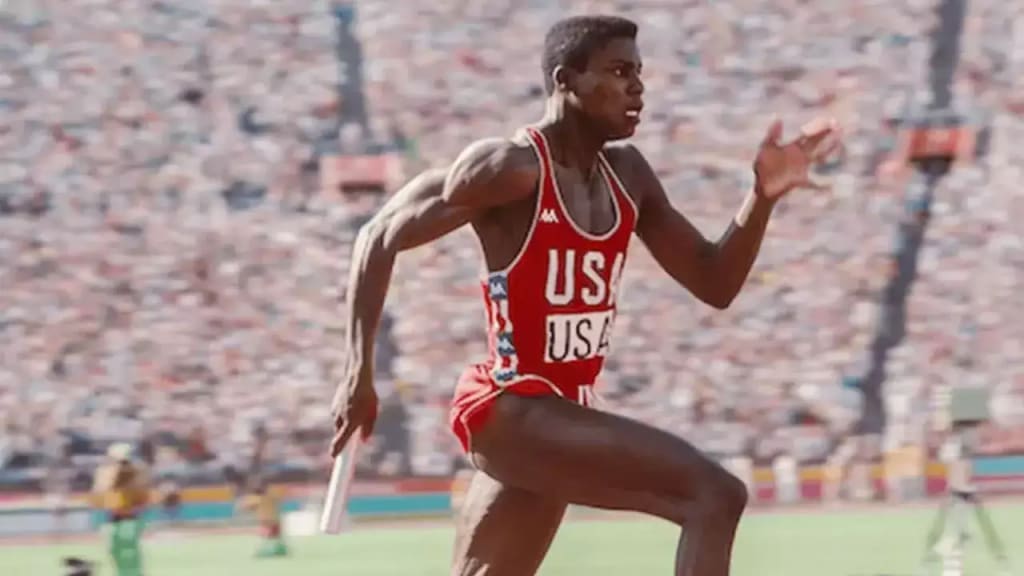
The Legendary Career of Carl Lewis
Carl Lewis, widely considered one of the greatest athletes in track and field history, left an indelible mark on the Olympic Games and the world of athletics. Over the course of his illustrious career, he became synonymous with excellence, achieving remarkable feats in sprinting and long jump. His journey through the world of athletics is a testament to his unwavering commitment, exceptional talent, and the pursuit of greatness.
Early Life and Breakthrough
Carl Lewis was born on July 1, 1961, in Birmingham, Alabama, USA. Raised in a family with a rich sporting background—his mother, Evelyn, was a dancer and his father, William, was a country singer and coach—Lewis had athletics in his blood from a young age. Moving to Willingboro, New Jersey, he attended Willingboro High School where his natural talent quickly became apparent. By the time he was a teenager, Lewis was already setting records in the long jump and sprints, eventually earning a scholarship to the University of Houston.
At the University of Houston, Lewis trained under the guidance of legendary coach Tom Tellez. It was during this period that he honed his skills, achieving national recognition in the 100 meters, 200 meters, and long jump. His early success foreshadowed his meteoric rise to the international stage.
1980s: A Dominant Force in Track and Field
Lewis' international breakthrough came at the 1980 Olympic Trials, where he secured a spot on the U.S. Olympic team. However, the 1980 Moscow Olympics were marred by a U.S. boycott. While this thwarted Lewis’ chance to compete in the 1980 Games, his talent did not go unnoticed. His time would come four years later.
The 1984 Summer Olympics in Los Angeles would be the stage for Lewis’ historic career. Competing at the age of 23, Lewis emerged as a dominant figure, winning four gold medals in long jump, 100 meters, 200 meters, and the 4x100 meters relay. This performance earned him widespread recognition, and his accomplishment became a symbol of American athletic supremacy during the Cold War era. Lewis’ victories were even more impressive because they occurred in a time of heightened political tensions and international competition.
The 1988 Seoul Olympics: More Gold and A Historic Duel
Carl Lewis’ quest for Olympic glory continued at the 1988 Seoul Olympics, where he solidified his legacy as one of the greatest Olympians of all time. In the 100 meters, Lewis faced a formidable challenge from fellow American, the rising star Ben Johnson. Johnson was seen as one of the fastest sprinters in the world, but in a dramatic turn of events, Johnson was disqualified after testing positive for steroids, leaving Lewis to claim the gold medal. This was a bittersweet victory for Lewis, as it was marred by the controversy surrounding Johnson’s disqualification.
However, Lewis was undeterred by the controversy and went on to win two additional gold medals in the 200 meters and long jump. His performance in Seoul marked his fourth consecutive Olympic gold in the long jump, a feat that was unprecedented in track and field. With these victories, Lewis confirmed his status as a legend of the sport.
1990s: Continued Success and Breaking Records
In the 1990s, Carl Lewis continued to defy expectations by maintaining his dominance in athletics. In the 1992 Barcelona Olympics, he won two more gold medals in the 4x100 meters relay and long jump. By this time, his rivalry with new athletes like Frankie Fredericks and Michael Johnson was growing, but Lewis' competitive spirit kept him at the top of his game. He displayed extraordinary resilience, staying in peak physical condition into his 30s when many other athletes had begun to retire.
In the 1996 Atlanta Olympics, Lewis made history by winning his ninth Olympic gold medal in the long jump, becoming the oldest Olympic gold medalist in the event at the age of 35. He also took home a silver in the 200 meters. Lewis’ performance in Atlanta, which was widely seen as his swan song in the Olympic arena, added another significant milestone to his legendary career.
Legacy and Impact
Carl Lewis’ influence extends far beyond his Olympic triumphs. His impact on the sport of track and field is profound, inspiring countless athletes to pursue excellence. Lewis is credited with bringing an unmatched level of professionalism and attention to detail to the sport. His focus on mental preparation, along with his physical prowess, set him apart from many of his contemporaries. His career also served to highlight the importance of integrity, as Lewis remained clean in an era of increasing drug scandals.
Additionally, Lewis broke barriers in the sport, particularly for African-American athletes. His success proved that athletes of African descent could excel at the highest levels of competition, inspiring generations of athletes to pursue their own Olympic dreams. His achievements also helped to elevate the profile of track and field, ensuring that it remained a marquee event at the Olympics.
Conclusion
Carl Lewis' career as an Olympian is a testament to his incredible work ethic, resilience, and unmatched talent. With a total of 9 Olympic gold medals, 1 silver, and 2 bronze, he cemented his legacy as one of the most accomplished athletes in the history of the Olympic Games. His athletic achievements transcended sport, becoming symbols of perseverance, dedication, and excellence. Lewis’ contributions to track and field, combined with his ability to perform under pressure, solidified his place as a global sports icon and one of the greatest Olympians of all time.
About the Creator
Badhan Sen
Myself Badhan, I am a professional writer.I like to share some stories with my friends.
Keep reading
More stories from Badhan Sen and writers in Gamers and other communities.
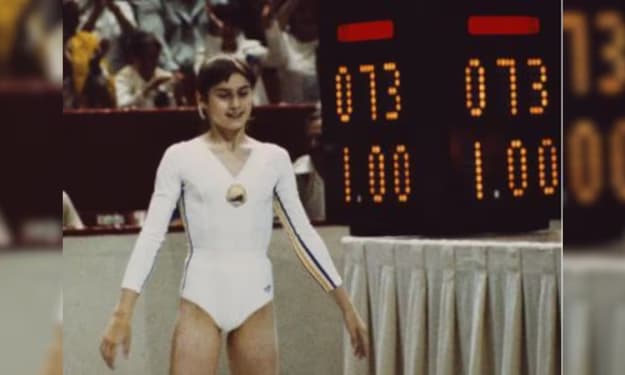
NADIA COMANECI'S PERFECT 10 IN GYMNASTICS
Nadia Comăneci’s Perfect 10 in Gymnastics Nadia Comăneci’s performance at the 1976 Summer Olympics in Montreal is one of the most iconic moments in Olympic history. The 14-year-old gymnast from Romania achieved the first-ever perfect 10 in Olympic gymnastics, forever changing the landscape of the sport. Her extraordinary achievement not only made history but also marked a milestone for women in sports and has continued to inspire generations of athletes.
By Badhan Senabout a year ago in Gamers
Dodgers
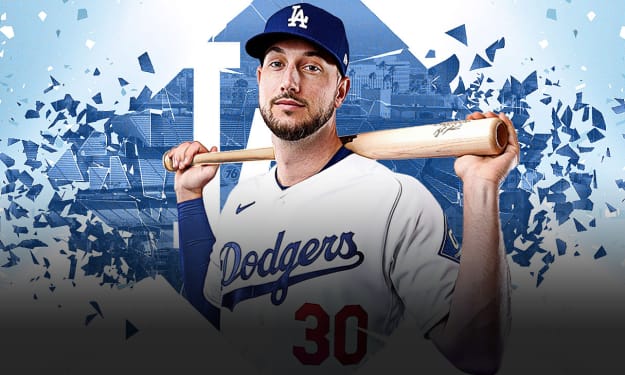
The Los Angeles Dodgers have long been one of the most influential franchises in MLB, known for combining elite player development with the financial flexibility to pursue top-tier talent. From consistent postseason appearances to being counted among recent World Series winners, the Dodgers continue to shape league-wide conversations. As the new season approaches, Dodgers news is once again dominated by roster construction, payroll discussions, and persistent MLB trade rumors—especially those surrounding Kyle Tucker. The Dodgers’ Identity in Modern MLB Few teams balance tradition and innovation quite like the LA Dodgers. Their front office has mastered analytics while still valuing star players who can deliver in October. The current Dodgers roster reflects that philosophy, blending established veterans with emerging talent. Over the years, names like Cody Bellinger have defined eras of success, while new possibilities continue to fuel speculation. The Dodgers’ ability to remain competitive is also tied to their willingness to maintain a high Dodgers payroll. While they are not reckless spenders, they are strategic—targeting players who can elevate both performance and brand value. Kyle Tucker and Why He Fits the Dodgers Narrative Among the most discussed names in recent MLB rumors is Kyle Tucker. A consistent offensive presence and reliable defender, Tucker has emerged as one of the most complete players in modern baseball. Naturally, that has led to growing interest in a potential Kyle Tucker Dodgers scenario. So, what position does Kyle Tucker play? Tucker is primarily a right fielder, though his athleticism allows flexibility across the outfield. That versatility makes him especially attractive to teams like the Dodgers, who value adaptable Dodgers outfielders capable of handling high-pressure situations. The phrase “Tucker baseball” has become shorthand for a balanced skill set: power, patience, and postseason reliability. It’s no surprise that Kyle Tucker news often trends alongside big-market teams. Contracts, Agents, and the Cost of Stardom Any serious discussion of Tucker to Dodgers inevitably leads to contract considerations. The idea of a Kyle Tucker contract Dodgers deal raises questions about years, value, and long-term impact. While no official Kyle Tucker deal has been announced, speculation continues around what such a move would require. The Kyle Tucker agent would likely prioritize both financial security and a winning environment—two things the Dodgers can credibly offer. Still, committing to a potential Kyle Tucker Dodgers contract would require careful planning, especially with other stars already on the books. Misspellings like kyle.tucker, kyle tuxker, or even kyke tucker frequently appear in online searches, underscoring just how much attention surrounds him across the baseball world. How Tucker Could Shape the Dodgers Lineup If a Dodgers Tucker scenario ever materializes, it would have a major impact on the Dodgers lineup. A projected middle-of-the-order bat like Tucker could slot seamlessly into a Dodgers projected lineup, offering protection for existing stars and adding depth in late-game situations. Comparisons have been drawn between Tucker and former Dodgers standouts like Bellinger, particularly in terms of two-way impact. While Cody Bellinger brought elite defense and timely power, Tucker offers a more consistent offensive profile year over year. Competition From the Mets and Other MLB Teams Of course, the Dodgers are not alone in pursuing elite talent. The NY Mets, backed by owner Steve Cohen, have made it clear they are willing to spend aggressively. Mets news often mirrors Dodgers news, especially when it comes to top-tier MLB free agents and trade targets. Names like Edwin Diaz and Bo Bichette frequently appear in league-wide discussions, highlighting how interconnected roster decisions have become. Any move involving Tucker would likely ripple across the league, influencing strategies for teams like the Mets, who remain active in both free agency and trades. MLB Trade Rumors and the Bigger Picture Sites such as MLBTradeRumors regularly analyze scenarios involving Kyle Tucker to Dodgers, though nothing has been confirmed. These rumors reflect a broader truth: elite players drive conversation, even when deals never materialize. The Dodgers understand that not every rumor becomes reality. Still, being linked to players like Tucker reinforces the team’s image as a perennial contender. Whether through trades or internal development, the goal remains the same—build a roster capable of winning another championship. Looking Ahead: What This Means for the Dodgers As the season unfolds, the Dodgers will continue to evaluate opportunities that align with their long-term vision. The idea of Dodgers Kyle Tucker is compelling, but it’s only one chapter in a much larger story about sustained excellence. With a deep farm system, financial flexibility, and a proven track record, the Los Angeles Dodgers remain at the center of MLB news. Whether or not Tucker ever wears Dodger blue, the conversations surrounding him highlight how the franchise continues to influence the direction of the league. In the end, the Dodgers’ success has never hinged on a single move. It’s about smart decisions, calculated risks, and an unwavering commitment to winning—qualities that keep them relevant, respected, and always worth watching.
By Saboor Brohi 2 days ago in Gamers
Marvel Rivals Patch Notes: Season 6 "Night at the Museum" - Full Breakdown, Deadpool Abilities, and Hero Buffs
The wait is almost over! NetEase Games has finally pulled back the curtain on the next massive update for its hit superhero shooter. If you’ve been searching for the latest Marvel Rivals patch notes, you’re in the right place. Season 6, titled "Night at the Museum," is officially set to launch on January 16, 2026, and it’s bringing the Merc with a Mouth along for the ride.
By Info Post Gate5 days ago in Gamers


Comments (2)
Hey, just wanna let you know that this is more suitable to be posted in the Unbalanced community 😊
Good work. I remember watching those races and the controversy. Carl Lewis still helped current and younger runners.