
NADIA COMANECI'S PERFECT 10 IN GYMNASTICS
A Historic Moment in Olympic Gymnastics

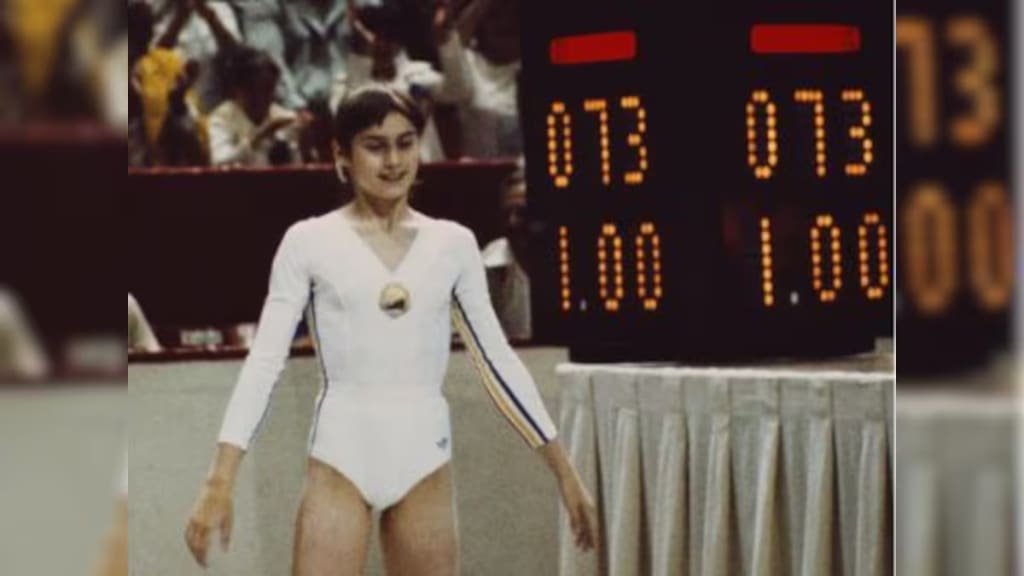
Nadia Comăneci’s Perfect 10 in Gymnastics
Nadia Comăneci’s performance at the 1976 Summer Olympics in Montreal is one of the most iconic moments in Olympic history. The 14-year-old gymnast from Romania achieved the first-ever perfect 10 in Olympic gymnastics, forever changing the landscape of the sport. Her extraordinary achievement not only made history but also marked a milestone for women in sports and has continued to inspire generations of athletes.
The Lead-Up to the 1976 Olympics
Nadia Comăneci began gymnastics at a young age in her hometown of Gheorgheni, Romania. By the time she was selected to represent her country at the 1976 Olympics, she was already regarded as one of the most talented gymnasts in the world. Coached by the legendary Béla Károlyi, Comăneci’s training was intense and meticulous, focusing on perfecting her routines and skills to the highest standards.
In the 1976 Olympics, held in Montreal, Nadia was part of a talented Romanian team. Gymnastics had already been a sport dominated by the Soviet Union and Eastern Bloc countries, but Comăneci stood out due to her grace, precision, and innovative moves.
The Historic Perfect 10
The moment that changed the world of gymnastics occurred during Nadia's performance in the compulsory exercises. In her routine on the uneven bars, a highly difficult and technical apparatus, Comăneci executed every element flawlessly. The judges, accustomed to awarding scores based on a scale that topped out at 9.9, were left speechless when they realized they had to award a perfect score.
For the first time in Olympic history, the scoreboard displayed a perfect 10.00 next to her name. The audience, initially unaware of the significance, reacted with confusion, but soon the realization set in that they had witnessed something extraordinary. Nadia Comăneci’s perfect 10 was not just a personal achievement; it was a revolution in the sport of gymnastics.
The Aftermath: A Star is Born
Nadia’s perfect 10 was followed by more flawless performances, culminating in three gold medals, one silver, and one bronze at the 1976 Montreal Olympics. In total, she scored seven perfect 10s during the competition, an unprecedented feat that cemented her place in history.
Her performance transcended sports. The image of her perfect 10 became a symbol of excellence, determination, and hard work. At just 14 years old, Nadia Comăneci became an international sensation and a role model for young athletes everywhere. Her achievement was particularly significant in the context of the Cold War-era sports rivalry between the United States and the Soviet Union. Despite competing against some of the world's best gymnasts, Nadia’s performance was a shining example of how talent and discipline could defy expectations.
Nadia's Legacy in Gymnastics
Before Comăneci’s perfect 10, gymnastics had been judged on a more subjective scale. Her flawless performance set a new standard in the sport. Gymnastics became more about achieving perfection than simply completing routines, and the notion of the perfect score became a driving force for future gymnasts. Nadia raised the bar for the sport, and her success would inspire future generations of gymnasts to aim for perfection.
Following her 1976 success, the rules of gymnastics were changed to allow scores beyond 10.0, as the judges could no longer simply give the maximum score based on an extraordinary performance. The sport evolved, and the difficulty of routines continued to increase. Gymnasts like Mary Lou Retton, Simone Biles, and others have cited Comăneci as a major influence on their own careers.
The Political and Cultural Impact
Nadia Comăneci’s triumph also had a significant cultural and political impact. As a Romanian gymnast competing in the Eastern Bloc during the Cold War, her success highlighted the Soviet Union’s dominance in the sport. However, Nadia’s victory was not only a personal achievement but also a national symbol for Romania, which was under the leadership of Nicolae Ceaușescu at the time.
Comăneci's achievements helped elevate Romania’s status on the global stage and showcased the strength of its athletes. For Romania, she became a symbol of national pride, and her success was heavily publicized by the state-run media. Nadia’s fame was not without its complexities, as her triumphs were often intertwined with the political climate of the time, but it still marked a turning point in the international recognition of Romanian gymnastics.
Nadia’s Life After the Olympics
After the 1976 Olympics, Nadia Comăneci’s life continued to be marked by both accolades and challenges. She became an ambassador for gymnastics, traveling the world to inspire and coach young gymnasts. In 1989, after defecting from Romania, she moved to the United States, where she later settled. Nadia eventually became a U.S. citizen, and she has remained involved in the gymnastics world as a coach and a philanthropist.
Her legacy in gymnastics is unmatched, and her contribution to the sport continues to be celebrated. The "perfect 10" remains one of the most iconic achievements in Olympic history.
Conclusion
Nadia Comăneci’s perfect 10 was more than just a gymnastics score—it was a moment that changed the sport forever. Her flawless performances in Montreal captured the world’s imagination, and her legacy as the first gymnast to score a perfect 10 continues to inspire athletes around the globe. Nadia's achievement proved that with dedication, hard work, and discipline, even the seemingly impossible could be achieved. She will forever be remembered as one of the greatest athletes in Olympic history.
About the Creator
Badhan Sen
Myself Badhan, I am a professional writer.I like to share some stories with my friends.
Keep reading
More stories from Badhan Sen and writers in Gamers and other communities.
JACKIE JOYNER-KERSEE AND HER OLYMPIC SUCCESS
Jackie Joyner-Kersee and Her Olympic Success Jackie Joyner-Kersee is widely regarded as one of the greatest athletes in the history of track and field. Her Olympic journey is a story of perseverance, dedication, and unparalleled skill. A dominant force in the heptathlon and long jump, Joyner-Kersee's accomplishments have solidified her place in Olympic history and the world of athletics.
By Badhan Senabout a year ago in Gamers
Upcoming Xbox & Game Pass Releases: What’s Worth Playing This Week?
It’s time once again to take a look at what’s landing on Xbox and Xbox Game Pass this week—and whether any of it is worth your valuable time or money. It has been a minute since the last week-in-preview roundup (holiday chaos and all that), but we’re officially back on track with a fresh lineup of releases.
By Bella Anderson5 days ago in Gamers


Comments (2)
Hey, just wanna let you know that this is more suitable to be posted in the Unbalanced community 😊
Great article and Nadia did change the sport of gymnastics quite a bit.