
THE LEGACY OF THE 1996 ATLANTA OLYMPICS AND ITS CHALLENGES
Examining the Lasting Impact and the Ongoing Challenges of the 1996 Atlanta Olympics.

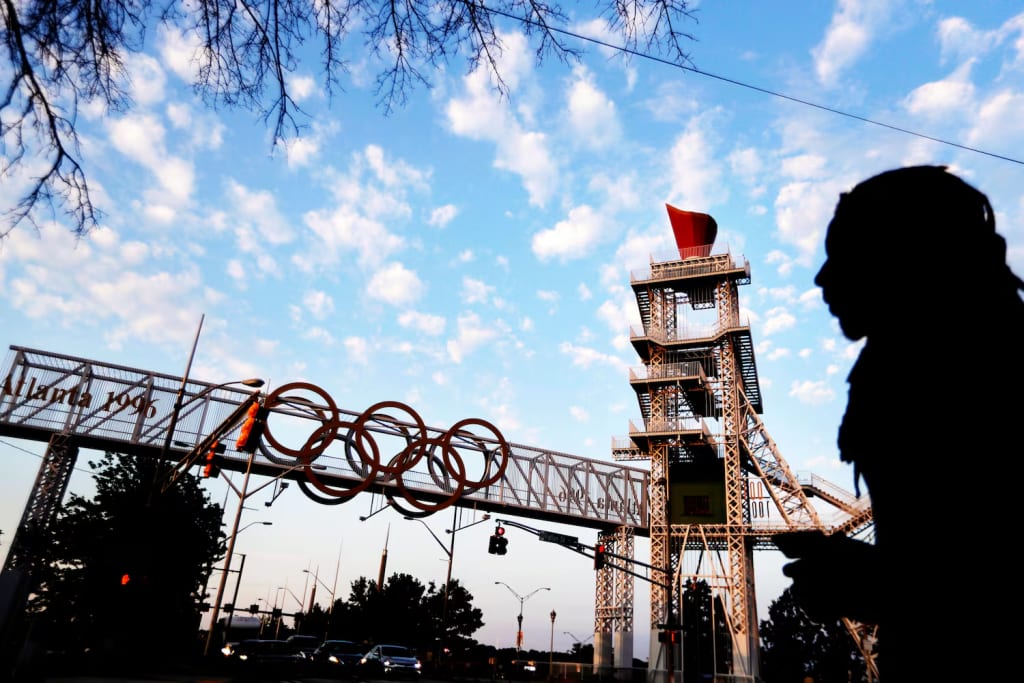
The 1996 Atlanta Olympics, officially known as the Centennial Olympic Games, marked a significant moment in both the history of the Olympics and the city of Atlanta itself. As the Games celebrated the 100th anniversary of the modern Olympic movement, it brought together countries from around the world for a global spectacle. However, the legacy of the 1996 Atlanta Olympics is mixed, characterized by both achievements and challenges that continue to shape the city and the Games' reputation today.
Positive Aspects of the Legacy
Economic Impact: One of the major anticipated outcomes of hosting the Olympics was the economic boost for Atlanta. The city invested heavily in infrastructure, including the development of sports venues, transportation systems, and other facilities. The city’s Hartsfield-Jackson International Airport, for instance, was expanded to accommodate the influx of visitors, and it went on to become one of the busiest airports in the world. New hotels and restaurants also sprang up around the city, contributing to a tourism-driven economy.
Moreover, the Games played a pivotal role in establishing Atlanta as a global business hub, attracting multinational companies and helping to diversify its economy. The increased international visibility from hosting the Olympics opened doors to economic development, particularly in sectors such as technology and telecommunications.
Urban Development: The Atlanta Olympics left a lasting mark on the city’s physical landscape. One of the most visible impacts was the redevelopment of neighborhoods and the construction of venues like the Olympic Village, the Centennial Olympic Park, and the Georgia Dome. The park, in particular, became a symbol of the Games and remains a popular gathering place in the city. Additionally, the Olympic Games spurred the renovation of downtown Atlanta, making it more pedestrian-friendly and connected.
Global Attention to Atlanta’s Civil Rights History: The 1996 Olympics provided an opportunity for Atlanta to showcase its role in the Civil Rights Movement, and efforts were made to highlight its historical significance. The city organized events and educational programs around the Olympic Games that underscored its importance in the fight for racial equality. The legacy of the Games was intertwined with the growing acknowledgment of Atlanta as a center of African American culture and history.
Challenges and Criticisms
Logistical and Organizational Problems: Despite the ambitions of the Games, the 1996 Olympics were marred by several logistical issues that attracted criticism. The preparation for the event was delayed due to a lack of coordination among the organizing committee, city officials, and contractors. This led to construction delays and poor management of venues. Notably, the opening ceremony, which was expected to be a grand spectacle, faced technical difficulties, leading to a less-than-spectacular start.
The Games also suffered from overcrowding and transportation problems. The city’s existing infrastructure, including its public transportation system, was not equipped to handle the vast influx of visitors. Traffic congestion became a nightmare, and delays in public transportation added to the frustration of both athletes and spectators.
Security and the 1996 Bombing: One of the most tragic events associated with the 1996 Olympics was the bombing in Centennial Olympic Park. On July 27, 1996, a bomb exploded during a concert, killing two people and injuring over 100 others. The attack cast a long shadow over the Games and exposed vulnerabilities in security, raising concerns about safety at future international events. Though security was tight at the Games, the bombing underscored the need for more advanced security measures at major international gatherings.
Financial Overruns: The Atlanta Olympics were intended to be a financially self-sustaining event, with the hope of avoiding the financial burdens faced by previous host cities. However, the event ended up with a significant financial shortfall. The city and the organizing committee faced an estimated $1.8 billion in cost overruns, which resulted in a considerable amount of debt. While corporate sponsorships and TV broadcasting deals did provide funding, the financial mismanagement of the event led to criticism that the Olympics had not delivered the expected financial windfall.
Legacy of Displacement: Like many Olympic Games, the 1996 Atlanta Olympics contributed to the displacement of local communities, especially in poorer neighborhoods. As venues and facilities were constructed, low-income residents were forced to relocate. Some of the urban redevelopment projects led to the gentrification of surrounding areas, with long-term residents often pushed out of the city’s revitalized downtown.
Long-Term Impact and Reflection
The 1996 Atlanta Olympics represented a turning point for both the city and the Olympic Games themselves. Despite the difficulties faced, the Games left a legacy of improved infrastructure, urban development, and international recognition. However, the Negative aspects, such as financial mismanagement, logistical issues, and security concerns, continue to be part of the broader narrative surrounding the event.
In hindsight, the 1996 Atlanta Olympics are often regarded as a cautionary tale of what can go wrong when a city is not fully prepared to host a global event of such magnitude. Nonetheless, Atlanta ultimately benefited from the exposure and infrastructure improvements, and the lessons learned from the Games have been used to inform the planning of subsequent Olympic Games.
The Olympics' enduring legacy is mixed—Atlanta remains a prominent city on the global stage, but the 1996 Games are still remembered for both their successes and their challenges. They served as a reminder of the complex realities of hosting a major international event, one that requires careful planning, coordination, and a consideration of the wider social and economic impacts.
About the Creator
Badhan Sen
Myself Badhan, I am a professional writer.I like to share some stories with my friends.
Keep reading
More stories from Badhan Sen and writers in Gamers and other communities.
THE 2008 BEIJING OLYMPICS AND CONCERNS OVER HUMAN RIGHT
The 2008 Beijing Olympics, held from August 8 to August 24, 2008, were a monumental event in the history of the Olympic Games. As the first Olympics to be hosted by China, the event represented a significant achievement for the nation, which sought to showcase its economic and political rise on the global stage. However, the games were also marred by widespread concerns over human rights abuses in China, leading to a global debate about the role of the Olympics in promoting political and social values.
By Badhan Senabout a year ago in Gamers
u4gm What Sigil of Power Does in Path of Exile 2
As Path of Exile 2 characters advance deeper into mid- and endgame content, raw stat upgrades lose much of their impact. At that stage, real damage gains usually come from mechanics that scale multiplicatively or interact directly with core resources like mana. For spell-based builds, one of the most efficient yet frequently underestimated tools is Sigil of Power.
By Asik Gxbx Hdjdh4 days ago in Gamers
Mastering the Pocket Exhaustion Debuff in Rush Royale Co-Op
The landscape of Rush Royale co-op has shifted dramatically with the rework of the Pocket Exhaustion enchantment. If you have spent any time in the higher dungeons recently, you likely noticed strange projectiles flying across the board.
By Richard Bailey3 days ago in Gamers




Comments (1)
Great