
THE LEGACY OF THE1960 ROME OLYMPICS ON ITALIAN ARCHITECTURE
Transforming the Urban Landscape:The Impact of the 1960 Rome Olympics on Modern Italian Architecture.

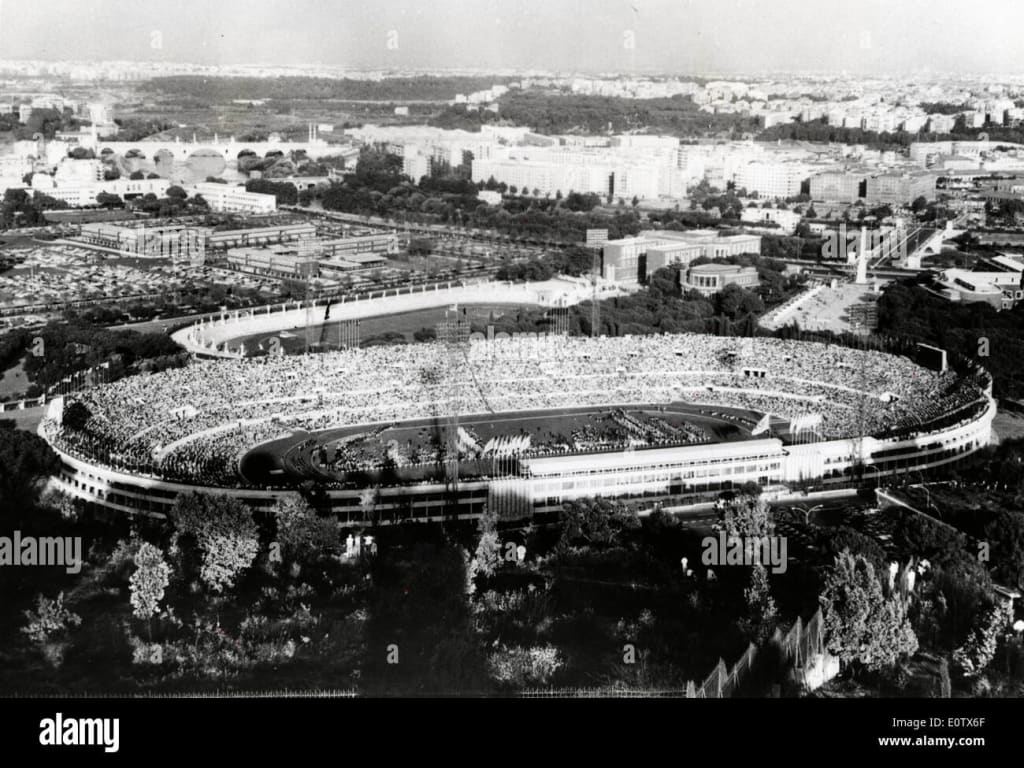
The 1960 Rome Olympics (officially known as the Games of the XVII Olympiad) were a landmark event in both the history of the Olympic Games and the architectural development of Italy. Held from August 25 to September 11, 1960, the Rome Olympics marked Italy’s post-World War II recovery and was a key moment in the country’s cultural and urban transformation. The Games left a lasting legacy on Italian architecture, influencing the development of modernist design and urban planning in Rome and beyond.
(I)The Context of the Rome Olympics
The Rome Olympics were more than just a sporting event—they were a symbol of Italy's rebirth after the devastation of World War II. In the years leading up to the Games, Italy underwent a process of rapid modernization. The nation was eager to showcase its recovery, its artistic and cultural heritage, and its forward-thinking vision. Rome, already a city steeped in ancient history, needed to balance this rich past with a modern future. The Olympics provided the perfect opportunity to both honor Italy’s cultural history and assert its place in the world as a modern, dynamic nation.
(II)The Role of Architecture in the 1960 Olympics
The design and construction of the Olympic venues and infrastructure were central to the legacy of the 1960 Rome Olympics. The Games introduced innovative approaches to both architecture and urban planning, incorporating modernist principles while respecting the historical fabric of Rome. These developments set the stage for a new era of Italian architecture.
One of the most significant architectural projects associated with the Rome Olympics was the Stadio Olimpico (Olympic Stadium), designed by architects Pier Luigi Nervi and Antonio Maraini. Nervi, a pioneer of reinforced concrete construction, combined functionality with aesthetic beauty in the design of the stadium. The Stadio Olimpico, with its striking use of concrete and steel, became a symbol of modern Italian architecture. It is still in use today and remains an iconic example of mid-20th-century sports architecture.
(III)The Palazzetto dello Sport
Another key venue from the 1960 Olympics is the Palazzetto dello Sport, a multi-purpose indoor arena designed by architect Pier Luigi Nervi. The building is noted for its innovative design, which features a large, sweeping concrete roof supported by a series of thin columns. This distinctive roof structure gives the building an almost sculptural quality and is a testament to Nervi's mastery of concrete as a material. The Palazzetto dello Sport became an iconic part of the Rome Olympic legacy and remains a key piece of modern architecture in the city today.
(IV)The Olympic Village
The Olympic Village, where athletes were housed during the Games, was another area where the influence of modernist architecture was evident. The village, located in the Flaminio district, was designed to accommodate over 4,000 athletes and officials. It was organized in a way that encouraged interaction and a sense of community among the international participants. The residential buildings in the village were characterized by clean lines, simple forms, and functional design, reflecting the modernist ideals of the time. Though the Olympic Village no longer serves its original purpose, its architectural legacy continues to influence the urban development of Rome.
(V)Urban Planning and Infrastructure
Beyond individual buildings, the Rome Olympics also had a significant impact on the city's broader urban planning. To prepare for the Games, a range of infrastructural improvements were made, including the construction of new roads, public transport systems, and modernist public spaces. The Corso d’Italia, for example, was redesigned to provide better access to the Olympic sites, and Via della Conciliazione was extended to connect the city center to the newly constructed Olympic venues. These developments were a part of a larger push to modernize the city while maintaining a delicate balance with Rome’s ancient heritage.
One of the most notable aspects of the urban planning for the Olympics was the integration of green spaces and public parks. The Villa Borghese area, for example, was updated and enhanced to provide athletes and visitors with a scenic environment to enjoy. The Olympics acted as a catalyst for the creation of a more open, accessible, and modern urban landscape that still influences the city today.
(VI)Architectural and Cultural Influence
The Rome Olympics marked the peak of Italy’s post-war modernist architectural movement. While the Games showcased the nation’s capability for contemporary design, they also promoted an ethos of internationalism and cooperation. The Olympic venues and infrastructure projects helped Rome project an image of Italy as a forward-looking, progressive nation.
Moreover, the 1960 Olympics sparked a greater appreciation for Italian modernism both at home and abroad. The innovative designs of architects like Nervi were widely celebrated, and their influence can be seen in the years that followed in Italian architecture and beyond. The Games also provided a platform for showcasing Italy’s rich history and culture, ensuring that the architectural legacy of the Olympics was deeply rooted in both the modern and historical elements of Roman identity.
End
The 1960 Rome Olympics left a lasting impact on Italian architecture and urban development. Through the construction of landmark buildings like the Stadio Olimpico and Palazzetto dello Sport, as well as significant urban planning and infrastructure projects, the Games showcased Italy's ability to blend modernism with historical heritage. The architectural legacy of the Olympics continues to be felt today, as Rome remains a city that balances ancient history with modern development. The 1960 Olympics were not just a moment of sporting achievement; they were a defining moment in the evolution of Italy's architectural identity and urban landscape.
About the Creator
Badhan Sen
Myself Badhan, I am a professional writer.I like to share some stories with my friends.
Keep reading
More stories from Badhan Sen and writers in Gamers and other communities.
THE INFRASTRUCTURE DEVELOPMENT IN BEIJING FOR THE OLYMPICS
Infrastructure Development in Beijing for the 2008 Summer Olympics was a major undertaking, as the city sought to transform itself into a global hub for sports, tourism, and business. The Chinese government invested heavily in improving the city’s infrastructure, including transportation, sports venues, and urban development, to support the successful hosting of the Olympics.
By Badhan Senabout a year ago in Gamers
U4gm Smarter Temple Runs in PoE 2: Hotfix 0.4.0d Explained
Path of Exile 2 players have been buzzing about Hotfix 0.4.0d—and for good reason. This patch didn’t just tweak numbers; it fundamentally changed how the Vaal Temple works, making it more strategic, more rewarding, and more engaging.
By Dangyc Dinga day ago in Gamers



Comments
There are no comments for this story
Be the first to respond and start the conversation.