
The Virtual Shelter: Why Gaming is the Ultimate Escape
How virtual worlds provide the real-world relief we all need.
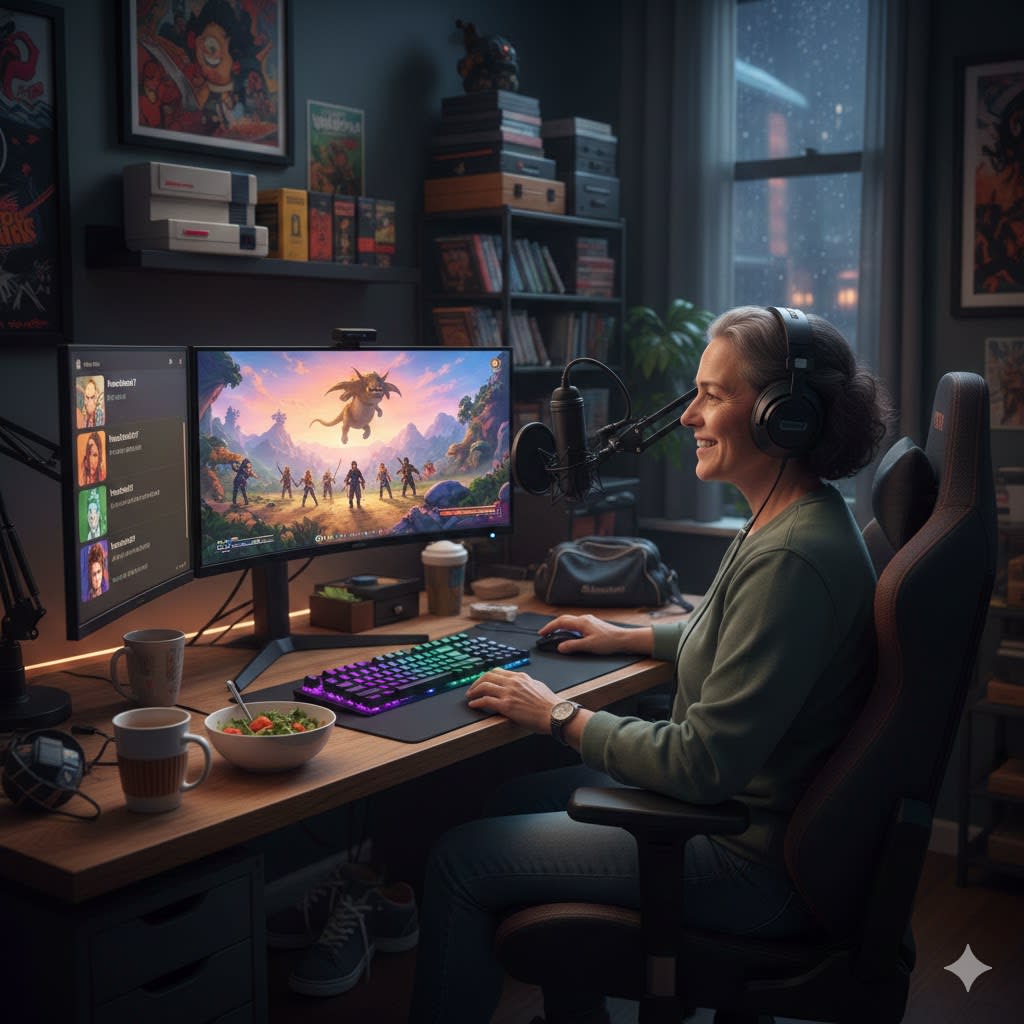
Playing video games is more than just having fun. It has become a big part of people's lives, affecting both our mental and physical health. While there are negative side effects that can occur—such as back pain or weight gain—these are preventable if people take care of their physical health and avoid neglecting it for their hobby.
On the other hand, video games are a great tool for improving mental health. If you follow gaming groups on social media, you’ll often see stories of people going through hard times who praise a game for offering a "shelter"—a place to relax and ease their troubles. That’s what video games are really about: an exit. A temporary portal where we can be someone else and experience things we never could in everyday life.
Back in the 80s and 90s, being a gamer was a subculture; it wasn't as accepted as it is today. It was a common joke that 'girls don't play video games,' whereas today, a huge portion of gamers are female. But it has changed globally due to gaming being way more popular among all genders and all age groups. I remember raiding in World of Warcraft back in 2005; if the group found out a girl was on Ventrilo, the guys would absolutely lose it. Strategy and boss mechanics became secondary to just talking to her. I know girls who refused to join voice chat for years because of that. Today, thankfully, we can see how much that has evolved.
While there are studies talking about the negative impact of games, I often wonder if these researchers have ever played a game themselves. If they haven't, their perspective can feel exaggerated. As a gamer who has been around other gamers for decades, I see the reality: people struggle. For some, escape is found in music or photography. But there are also much darker escapes—self-harm or substance abuse. Gaming sits in the middle: a safe, effective way to de-stress.
For kids, games were an education. They helped us learn languages, read faster, and solve puzzles. For teenagers, games provide a "cloud-free" mindset. If you’re a parent, wouldn't you prefer a teenager who stays home playing games (and perhaps hits the gym) over one out partying where you have to worry about their safety?
Then there is adulthood. We all need relief from work, stress, and drama. That feeling of finishing your chores, loading up your system of choice, and jumping on Discord with buddies is priceless. It provides a sense of security and a stress-free environment that helps many of us get through the day.
Like everything else in life, too much medicine can turn into a poison. We shouldn’t allow ourselves to disconnect from the real world completely or forget how to live. But as a gaming veteran, I can’t help but feel frustrated by articles claiming kids "did this or that" just because they played video games. Too often, parents blame video games for their own shortcomings in parenting.
People are quick to blame a hobby that silently saves millions of lives and makes millions more better and easier. I believe that when it comes to understanding how video games affect us, we should listen to the gamers themselves—not someone who has never picked up a controller in their life.
About the Creator
josip
I'm a gamer who likes to write, talk and record video games. Being an introvert person with little to no hobbies or interest in world outside of my house I try to leave my mark online with my gameplay videos, written text and so on.
U4gm Black Ops 7 Season 2: Black Ops Royale, New Maps, and Major Updates
Season 2 of Call of Duty: Black Ops 7 is finally here, and it’s packed with content that’s set to reshape the way players experience the game. From a brand-new battle royale mode to fresh multiplayer maps, Zombies updates, weapon balancing, and seasonal events, there’s plenty for both veterans and newcomers to explore.
By Dangyc Ding7 days ago in Gamers
Casino Game Trends and Player Favorites in 2026
The casino gaming landscape has continued to evolve in recent years, influenced by technology, player preferences, and shifting entertainment habits. In 2026, casino-style games remain a popular form of entertainment across both digital platforms and traditional venues. Rather than focusing solely on wagering, many discussions about these games now center on gameplay experience, design innovation, and the social elements that attract players worldwide.
By Shabbir Ahmadabout an hour ago in Gamers


Comments
There are no comments for this story
Be the first to respond and start the conversation.