
THE INTRODUCTION OF SKATEBOARDING AND SURFING TO THE OLYMPICS
Skateboarding and Surfing Make Waves in the Olympic Arena


The Introduction of Skateboarding and Surfing to the Olympics
The Olympic Games have long been the pinnacle of global sports, showcasing athleticism, dedication, and cultural exchange. In 2020, held in Tokyo (but delayed to 2021 due to the COVID-19 pandemic), the International Olympic Committee (IOC) embraced a significant evolution by introducing skateboarding and surfing into the official Olympic program. These two sports, rooted in youth culture and coastal lifestyles, marked a monumental shift toward modernizing the Games and appealing to a younger audience. The inclusion of these sports was not only a nod to their cultural significance but also an acknowledgment of their athletic rigor and global popularity.
Historical Context
Skateboarding and surfing have long histories, with deep roots in subcultures that were once seen as rebellious or unconventional. Surfing, often described as the "sport of kings," originated in Polynesia centuries ago and was popularized in the 20th century through Hawaiian culture. By the mid-1900s, surfing had become synonymous with coastal lifestyles, particularly in California and Australia. Its natural connection to the ocean, focus on harmony with nature, and emphasis on individual expression made it a global phenomenon.
Skateboarding, on the other hand, emerged in the 1950s as a street-level adaptation of surfing. Originally called "sidewalk surfing," it evolved into a sport and art form, thriving on innovation and creativity. The 1980s and 1990s witnessed the rise of skateboarding as a global subculture, fueled by skate parks, video games, and a do-it-yourself ethos. Despite their popularity, both skateboarding and surfing faced skepticism from traditional sports institutions, often being relegated to the fringes of athletic recognition.
The Road to Inclusion
The inclusion of skateboarding and surfing in the Olympics was the result of years of advocacy and changing perceptions. The IOC had been under pressure to modernize the Games, make them more appealing to younger generations, and reflect diverse athletic pursuits. Both sports fulfilled these criteria, boasting global followings and youth-oriented appeal.
Surfing’s inclusion began with organizations like the International Surfing Association (ISA) lobbying for recognition. Their efforts paid off when the IOC announced surfing's inclusion for the Tokyo 2020 Games. Skateboarding followed a similar trajectory, led by the World Skate Federation, which helped standardize the sport and present it as competition-ready. The IOC’s Agenda 2020, which aimed to increase the Games’ relevance, was a key turning point for both sports.
Format and Events
For its Olympic debut, skateboarding featured two disciplines: Street and Park. The Street discipline mimicked real-world urban environments, with competitors performing tricks on stairs, rails, and benches. Park skateboarding, meanwhile, took place in a bowl-like structure, allowing for high-flying tricks and continuous flow. Each discipline was judged on factors such as difficulty, creativity, execution, and flow.
Surfing’s competition format was equally innovative. Held at Japan’s Tsurigasaki Beach, the event relied on natural ocean waves. Athletes were judged on wave selection, maneuvers, speed, and overall style. The unpredictable nature of the ocean added an exciting dimension to the sport, requiring athletes to adapt to ever-changing conditions.
Both sports included men’s and women’s events, highlighting the IOC’s commitment to gender equality. This also provided an opportunity for diverse nations to shine. For example, while skateboarding’s stars included athletes from Japan, the U.S., and Brazil, surfing featured competitors from nations like South Africa and the Pacific Islands.
Cultural and Global Impact
The introduction of skateboarding and surfing brought a new cultural dimension to the Olympics. These sports embody creativity, self-expression, and a deep connection to the environment. Their inclusion signaled a break from the traditional perception of the Olympics as focused solely on regimented, traditional sports. Instead, they showcased the Games’ ability to evolve and embrace modern athletic pursuits.
Moreover, skateboarding and surfing resonated with younger audiences, many of whom view these sports as lifestyle choices rather than mere competitions. Social media platforms were flooded with highlights of daring tricks, impressive rides, and the relaxed camaraderie among competitors. This outreach has helped the Olympics remain relevant in an age dominated by digital engagement.
The inclusion also highlighted global diversity. Skateboarding and surfing are practiced worldwide, transcending socio-economic and geographical barriers. By showcasing these sports, the Olympics amplified voices from different corners of the world and celebrated athleticism in unconventional forms. For instance, skateboarding’s Olympic debut saw 13-year-old Momiji Nishiya from Japan claim gold in the women’s Street event, making her one of the youngest Olympic champions in history.
Challenges and Criticisms
Despite the overwhelming excitement, the inclusion of skateboarding and surfing was not without controversy. Critics argued that the Olympics risked commodifying these sports, stripping them of their rebellious, countercultural roots. Some purists within these communities expressed concern that Olympic standardization might dilute the authenticity of the sports.
There were also logistical challenges. For surfing, reliance on natural waves posed significant planning difficulties. Organizers had to account for weather conditions and tide schedules, which added unpredictability to the event. Similarly, skateboarding faced debates over judging criteria, as the subjective nature of trick evaluation sparked discussions on fairness.
Looking Ahead
The success of skateboarding and surfing at the Tokyo Olympics has paved the way for their inclusion in future Games. Both sports are set to feature in Paris 2024, with surfing taking place in Tahiti, known for its world-class waves. Their continued presence in the Olympics signals a broader trend of incorporating non-traditional sports to keep the Games dynamic and inclusive.
In conclusion, the introduction of skateboarding and surfing to the Olympics marked a transformative moment for the Games. These sports brought fresh energy, cultural diversity, and a youthful spirit, ensuring the Olympics remain relevant and inspiring for generations to come. By embracing these modern disciplines, the IOC not only expanded its definition of athletic excellence but also celebrated the unique blend of artistry and skill that defines the new age of sports.
About the Creator
Badhan Sen
Myself Badhan, I am a professional writer.I like to share some stories with my friends.
Keep reading
More stories from Badhan Sen and writers in Gamers and other communities.
THE DEVELOPMENT OF MODERN PENTATHLON IN THE OLYMPICS
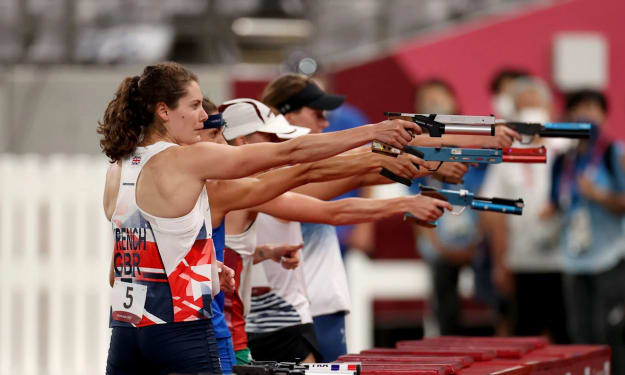
The Modern Pentathlon is one of the unique events in the Olympic Games, combining five different disciplines that test the physical and mental endurance of athletes. Its development and inclusion in the Olympic Games is a fascinating story that merges both tradition and innovation. Originating from the vision of the founder of the modern Olympics, Pierre de Coubertin, the event has undergone various changes since its inception, becoming an integral part of the Games.
By Badhan Senabout a year ago in Gamers
Stardew Valley Moss Guide: Why This 1.6 Resource is More Valuable Than You Think
For years, the appearance of green fuzz on the oak and maple trees of Pelican Town was nothing more than a visual indicator of rain or a sign that you had neglected your farm’s landscaping. When the 1.6 update arrived, everything changed.
By Richard Bailey5 days ago in Gamers
R6 Predictions for 2026: The Next Chapter of Rainbow Six Siege
In 2026, Rainbow Six Siege won’t feel like a brand-new game and that may be its greatest strength. Instead of chasing trends, Siege is likely to double down on what it already does best: tactical depth, operator-driven gameplay, and a competitive ecosystem that rewards patience and planning. Looking back from this point in time, 2026 could be remembered as the year Siege finally perfected its long-term evolution.
By Deborah Larson4 days ago in Gamers



Comments (1)
It is hard to believe that these two sports are Olympic events. Good work.