
THE IMPACT OF THE SALT LAKE CITY SCANDAL ON THE OLYMPICS
The Fallout of the Salt Lake City Scandal:How Corruption Shaped The Future of the Olympics.

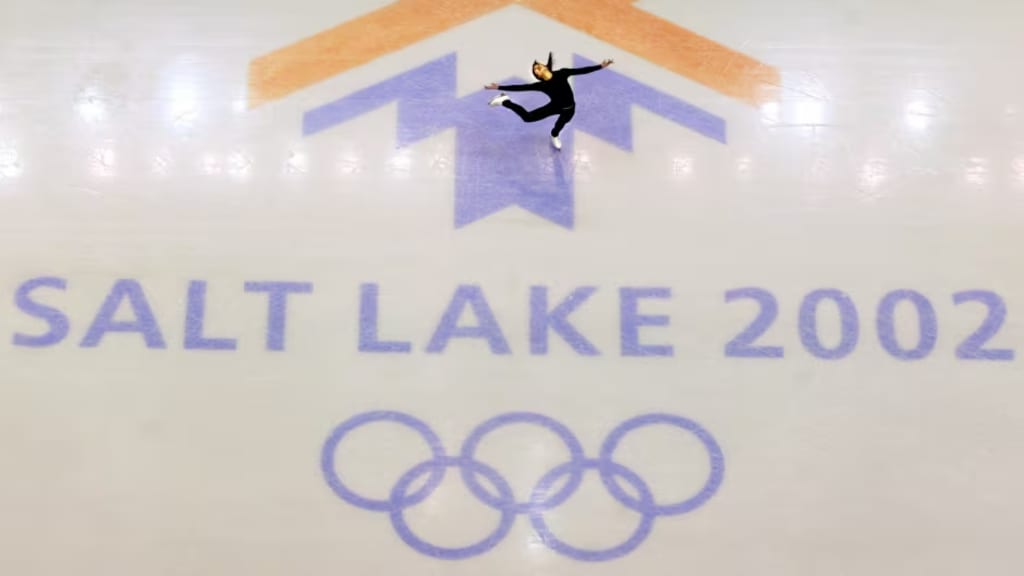
The Salt Lake City scandal, which occurred in the lead-up to the 2002 Winter Olympics, had a profound and far-reaching impact on the Games, the Olympic movement, and the international sports community. The scandal, which involved bribery, corruption, and unethical practices, not only tarnished the reputation of the Salt Lake City Organizing Committee (SLOC) but also cast a shadow over the International Olympic Committee (IOC) itself. This event led to significant changes in how the Olympics would be governed and helped reshape the way future Games would be organized and run.
Background of the Scandal
The Salt Lake City scandal came to light in 1998, just a few years before the Winter Olympics were scheduled to take place in the city. It was revealed that members of the Salt Lake City bid committee had been involved in a bribery scheme to secure the rights to host the 2002 Winter Olympics. Several IOC members were found to have accepted bribes in exchange for their votes, including lavish gifts, cash, trips, and even promises of scholarships for their children. The bribery occurred during the bidding process in the 1990s, and it involved a wide network of individuals from both the IOC and the Salt Lake City bid committee.
One of the most notable elements of the scandal was the sheer scale of the corruption. The Salt Lake City bid committee spent millions of dollars to influence IOC members, which led to significant concerns about the integrity of the Olympic bidding process. The scandal became public in 1998 after a lengthy investigation by federal authorities in the United States.
Immediate Repercussions
The immediate repercussions of the Salt Lake City scandal were severe and far-reaching. The IOC was forced to confront the fact that its voting procedures and governance were flawed, leading to a loss of confidence in its ability to manage the Olympic movement. Several high-ranking IOC members, including former president Juan Antonio Samaranch, were implicated in the scandal, although Samaranch himself was not directly involved in the bribery.
In the wake of the scandal, the IOC took several steps to restore its credibility and address the systemic issues that allowed such corruption to occur. Some of these steps included the expulsion of several IOC members who had accepted bribes, as well as reforms to the bidding process for future Olympic Games. In addition, the scandal led to increased scrutiny of the IOC’s operations, both internally and externally, from the media, governments, and the general public.
Impact on the Salt Lake City Games
Despite the scandal, the Salt Lake City Winter Olympics went ahead as planned in 2002. However, the scandal had a lasting impact on the Games themselves. The event was overshadowed by the revelations of corruption, and many people around the world viewed the Games with skepticism. The Games were also marked by a series of logistical challenges and security concerns, which were exacerbated by the events of September 11, 2001, just months before the Games took place.
To their credit, the Salt Lake City organizing committee worked hard to distance the Games from the scandal and to put on a successful event. They implemented strict security measures and focused on ensuring that the Games would be safe and enjoyable for participants and spectators alike. The Games featured many memorable moments, such as the performance of American snowboarder Sarah Hughes, who won gold in the figure skating competition, and the stunning opening and closing ceremonies. Despite these achievements, the shadow of the bribery scandal loomed large over the event.
Long-Term Effects on the IOC and the Olympic Movement
Perhaps the most significant impact of the Salt Lake City scandal was the long-term changes it prompted within the International Olympic Committee. In the aftermath of the scandal, the IOC instituted a series of reforms aimed at increasing transparency and accountability. One of the most important changes was the introduction of a more rigorous bidding process for future Olympic Games. The IOC implemented new rules that required bidding cities to disclose all financial contributions, avoid conflicts of interest, and adopt stricter ethical guidelines.
Additionally, the scandal led to greater scrutiny of the IOC’s governance structure. The committee increased its efforts to ensure diversity and reduce the influence of any one individual or group. As a result, the IOC began to reform its election procedures, making the process more democratic and transparent. These reforms were crucial in helping to restore public confidence in the Olympic movement and ensure that the Games remained a symbol of international cooperation and fair competition.
In The End
The Salt Lake City scandal was a defining moment in the history of the Olympic Games. It exposed deep flaws in the bidding process and governance of the IOC and forced the organization to take significant steps to restore its credibility. While the 2002 Winter Olympics were ultimately a success in terms of the competitions themselves, the scandal left a lasting legacy on the Olympic movement. It prompted important reforms that made the Games more transparent and accountable, ensuring that future Olympic bidding processes would be conducted with greater integrity. The impact of the Salt Lake City scandal reverberated far beyond the 2002 Winter Olympics, shaping the future of the Games and the way they are governed to this day.
About the Creator
Badhan Sen
Myself Badhan, I am a professional writer.I like to share some stories with my friends.
Keep reading
More stories from Badhan Sen and writers in Gamers and other communities.
THE POLITICAL BOYCOTT OF THE 1980 MOSCOW OLYMPICS
The 1980 Moscow Olympics were marked by one of the most significant political boycotts in the history of the Olympic Games. This boycott was not only a statement of political disapproval but also a reflection of the heightened Cold War tensions between the United States and the Soviet Union. The political circumstances surrounding the boycott had profound implications on the Games and the international sporting community. Here's a detailed account of the events and reasons behind the boycott:
By Badhan Senabout a year ago in Gamers
Dodgers
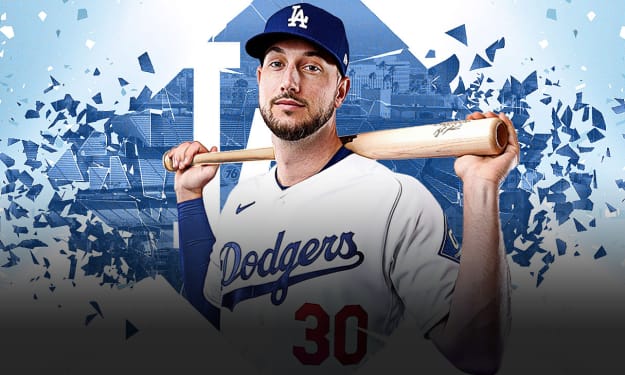
The Los Angeles Dodgers have long been one of the most influential franchises in MLB, known for combining elite player development with the financial flexibility to pursue top-tier talent. From consistent postseason appearances to being counted among recent World Series winners, the Dodgers continue to shape league-wide conversations. As the new season approaches, Dodgers news is once again dominated by roster construction, payroll discussions, and persistent MLB trade rumors—especially those surrounding Kyle Tucker. The Dodgers’ Identity in Modern MLB Few teams balance tradition and innovation quite like the LA Dodgers. Their front office has mastered analytics while still valuing star players who can deliver in October. The current Dodgers roster reflects that philosophy, blending established veterans with emerging talent. Over the years, names like Cody Bellinger have defined eras of success, while new possibilities continue to fuel speculation. The Dodgers’ ability to remain competitive is also tied to their willingness to maintain a high Dodgers payroll. While they are not reckless spenders, they are strategic—targeting players who can elevate both performance and brand value. Kyle Tucker and Why He Fits the Dodgers Narrative Among the most discussed names in recent MLB rumors is Kyle Tucker. A consistent offensive presence and reliable defender, Tucker has emerged as one of the most complete players in modern baseball. Naturally, that has led to growing interest in a potential Kyle Tucker Dodgers scenario. So, what position does Kyle Tucker play? Tucker is primarily a right fielder, though his athleticism allows flexibility across the outfield. That versatility makes him especially attractive to teams like the Dodgers, who value adaptable Dodgers outfielders capable of handling high-pressure situations. The phrase “Tucker baseball” has become shorthand for a balanced skill set: power, patience, and postseason reliability. It’s no surprise that Kyle Tucker news often trends alongside big-market teams. Contracts, Agents, and the Cost of Stardom Any serious discussion of Tucker to Dodgers inevitably leads to contract considerations. The idea of a Kyle Tucker contract Dodgers deal raises questions about years, value, and long-term impact. While no official Kyle Tucker deal has been announced, speculation continues around what such a move would require. The Kyle Tucker agent would likely prioritize both financial security and a winning environment—two things the Dodgers can credibly offer. Still, committing to a potential Kyle Tucker Dodgers contract would require careful planning, especially with other stars already on the books. Misspellings like kyle.tucker, kyle tuxker, or even kyke tucker frequently appear in online searches, underscoring just how much attention surrounds him across the baseball world. How Tucker Could Shape the Dodgers Lineup If a Dodgers Tucker scenario ever materializes, it would have a major impact on the Dodgers lineup. A projected middle-of-the-order bat like Tucker could slot seamlessly into a Dodgers projected lineup, offering protection for existing stars and adding depth in late-game situations. Comparisons have been drawn between Tucker and former Dodgers standouts like Bellinger, particularly in terms of two-way impact. While Cody Bellinger brought elite defense and timely power, Tucker offers a more consistent offensive profile year over year. Competition From the Mets and Other MLB Teams Of course, the Dodgers are not alone in pursuing elite talent. The NY Mets, backed by owner Steve Cohen, have made it clear they are willing to spend aggressively. Mets news often mirrors Dodgers news, especially when it comes to top-tier MLB free agents and trade targets. Names like Edwin Diaz and Bo Bichette frequently appear in league-wide discussions, highlighting how interconnected roster decisions have become. Any move involving Tucker would likely ripple across the league, influencing strategies for teams like the Mets, who remain active in both free agency and trades. MLB Trade Rumors and the Bigger Picture Sites such as MLBTradeRumors regularly analyze scenarios involving Kyle Tucker to Dodgers, though nothing has been confirmed. These rumors reflect a broader truth: elite players drive conversation, even when deals never materialize. The Dodgers understand that not every rumor becomes reality. Still, being linked to players like Tucker reinforces the team’s image as a perennial contender. Whether through trades or internal development, the goal remains the same—build a roster capable of winning another championship. Looking Ahead: What This Means for the Dodgers As the season unfolds, the Dodgers will continue to evaluate opportunities that align with their long-term vision. The idea of Dodgers Kyle Tucker is compelling, but it’s only one chapter in a much larger story about sustained excellence. With a deep farm system, financial flexibility, and a proven track record, the Los Angeles Dodgers remain at the center of MLB news. Whether or not Tucker ever wears Dodger blue, the conversations surrounding him highlight how the franchise continues to influence the direction of the league. In the end, the Dodgers’ success has never hinged on a single move. It’s about smart decisions, calculated risks, and an unwavering commitment to winning—qualities that keep them relevant, respected, and always worth watching.
By Saboor Brohi 4 days ago in Gamers



Comments
There are no comments for this story
Be the first to respond and start the conversation.