
THE IMPACT OF THE OLYMPICS ON URBAN DEVELOPMENT
Exploring the Role of the Olympics in Shaping Urban Infrastructure and Growth

The Olympic Games, one of the most prestigious international sporting events, are not only a platform for global athletic achievement but also a powerful catalyst for urban development. The host cities experience a significant transformation, often leading to both positive and negative outcomes in terms of infrastructure, economic growth, and social change. Over the years, the Olympics have shaped the development of cities, influencing everything from the creation of sports facilities to the revitalization of neglected neighborhoods. However, while the event promises short-term benefits such as enhanced global visibility and increased tourism, the long-term impact of the Olympics on urban development is complex and multifaceted.
Infrastructure Development
One of the most immediate and visible impacts of hosting the Olympics is the development of sports infrastructure. Large-scale construction projects are initiated to build stadiums, training facilities, and the Olympic Village, which house athletes and officials. The need for modern infrastructure often leads to the development of transportation systems, including new airports, roads, metro lines, and even water transport systems.
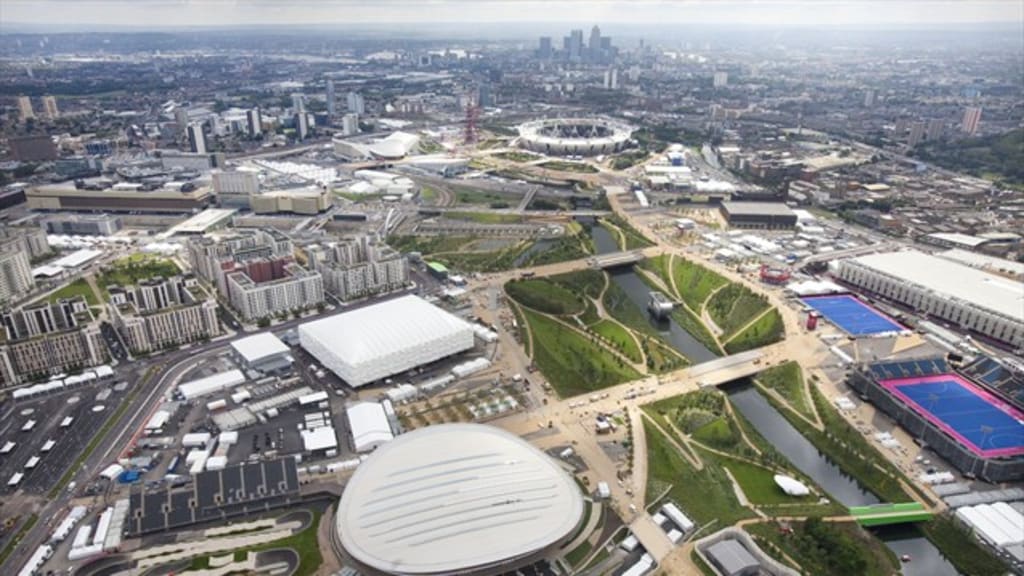
For example, the London 2012 Olympics spurred the development of the Queen Elizabeth Olympic Park, a massive redevelopment project in East London. This included the construction of the Olympic Stadium, the Aquatics Centre, and the Velodrome, as well as the development of new transport links such as the Jubilee Line Extension and the London Overground. This infrastructure has been used long after the Games, transforming the area into a thriving residential and business district.
Similarly, the Beijing 2008 Olympics led to the construction of several iconic sports venues like the Bird’s Nest Stadium and the Water Cube, as well as improvements to the city’s transportation system, including a new airport terminal and expanded subway lines. These developments have helped elevate Beijing’s status as a modern global metropolis.
Economic Impact
Hosting the Olympics can bring a significant economic boost, particularly in the form of tourism, employment, and business opportunities. The influx of visitors, media, and sponsors generates substantial revenue through ticket sales, hospitality services, and merchandise. The Games also create thousands of jobs, both directly related to the event and in supporting sectors such as construction, tourism, and retail.
In the case of Sydney 2000, the Olympics provided a major economic stimulus, with an estimated A$1.7 billion in direct revenue generated during the Games. The event also sparked a wave of urban renewal, particularly in areas like Darling Harbour, where old industrial spaces were transformed into commercial and tourist hubs. The Sydney Olympic Park has since become a key destination for conferences, entertainment, and sports events, contributing to the city’s long-term economic growth.
However, the economic benefits are not always equally distributed. In some cases, the cost of hosting the Olympics can outweigh the financial returns. For instance, the Athens 2004 Olympics faced major financial difficulties. Many of the planned infrastructure projects were delayed, and the city struggled with a heavy financial burden, leading to questions about the long-term sustainability of the event’s economic impact.
Social and Cultural Impact
The Olympics can also influence the social fabric of the host city, shaping its cultural identity and fostering a sense of unity among citizens. The Games provide a unique opportunity to showcase the host country’s culture, arts, and heritage on the global stage. For example, the Rio 2016 Olympics featured vibrant displays of Brazilian culture, from the opening ceremony to the integration of local music and art into the event’s design.
Moreover, the Olympics can leave behind a cultural legacy that influences urban development in terms of community engagement, recreation, and sports participation. The London 2012 Olympics emphasized promoting physical activity and sports within local communities, and the legacy of the Games included increased access to sports facilities and programs for young people.
However, there are social challenges as well. The massive investment in Olympic infrastructure can sometimes come at the expense of local residents, particularly in low-income neighborhoods. Gentrification is a common concern, as rising property values and rent can push out existing residents. The construction of large-scale Olympic villages, for instance, can lead to the displacement of communities, as seen in Rio 2016 and Sochi 2014. In some cases, local populations face significant hardships, including limited access to affordable housing and public services, which undermine the social benefits of the Games.
Environmental Impact
While the Olympics often lead to the construction of eco-friendly infrastructure, such as energy-efficient stadiums and sustainable public transport systems, there is a significant environmental footprint associated with hosting the Games. The need for large-scale construction projects results in resource consumption, waste generation, and habitat disruption. Furthermore, the increased tourism and travel associated with the Games can contribute to higher carbon emissions.
The London 2012 Olympics made strides in sustainability, with initiatives to ensure that venues were constructed using environmentally responsible methods, and efforts to reduce energy consumption and waste. However, even with such initiatives, the environmental costs of the event cannot be entirely mitigated.
In The End
The Olympics have a profound and lasting effect on urban development, shaping the infrastructure, economy, and social dynamics of the host city. While the event brings immediate benefits such as enhanced global recognition, improved infrastructure, and a boost to the local economy, the long-term impact is often mixed. The legacy of the Olympics can be positive if urban renewal projects are carefully planned, involve community participation, and prioritize sustainability. However, the Games can also bring significant challenges, including financial burdens, displacement of local communities, and environmental damage. As cities around the world continue to bid for the Olympics, it is crucial for planners to consider the balance between short-term benefits and long-term urban sustainability.
About the Creator
Badhan Sen
Myself Badhan, I am a professional writer.I like to share some stories with my friends.
Keep reading
More stories from Badhan Sen and writers in Gamers and other communities.
LONG-TERM ECONOMIC BENEFITS OF HOSTING THE OLYMPICS
Hosting the Olympics is a prestigious event that offers countries the opportunity to showcase their culture, infrastructure, and global presence. While the financial costs of hosting such a grand event are substantial, the long-term economic benefits can be significant if managed effectively. From infrastructure development to tourism, job creation, and global visibility, the Olympics can create lasting economic advantages for the host city and country. Below are some key long-term economic benefits associated with hosting the Olympic Games.
By Badhan Senabout a year ago in Gamers
How to Reach the World Tree in Palworld 1.0: Map Location and Boss Guide
For months, the towering silhouette on the horizon of the Palpagos Islands served as a silent promise. Players stared at the massive, glowing branches of the World Tree from the shores of the Forgotten Island, wondering when the invisible barrier would finally drop.
By Richard Bailey7 days ago in Gamers



Comments (1)
This is a great Economic and/or Human geography lecture. Good work.