

The history of gaming is a fascinating journey that spans several decades, from the earliest electronic experiments to the immersive experiences we enjoy today. This article will provide an overview of the history of gaming, highlighting key milestones and innovations that have shaped the industry.
The Birth of Video Games:
The roots of gaming can be traced back to the 1940s and '50s, when researchers and scientists began experimenting with electronic devices. In 1947, Thomas T. Goldsmith Jr. and Estle Ray Mann created the "Cathode Ray Tube Amusement Device," considered the first interactive electronic game. However, it wasn't until the late 1960s and early '70s that video games gained wider recognition.
Arcade Era and Pong:
The arcade era, which began in the early 1970s, marked a significant milestone in gaming history. Arcade machines like Atari's "Pong" (1972) became popular, introducing the concept of video games to the masses. The success of Pong sparked a wave of arcade games and established Atari as a prominent player in the industry.
Home Consoles and the Rise of Atari:
The introduction of home consoles in the mid-1970s brought gaming into households. The Atari 2600, released in 1977, became the first successful home console, featuring interchangeable game cartridges. This milestone allowed players to enjoy a variety of games in the comfort of their homes and paved the way for future console generations.
The Golden Age of Arcade Games:
The early 1980s witnessed the golden age of arcade games, with titles like "Space Invaders" (1978), "Pac-Man" (1980), and "Donkey Kong" (1981) captivating audiences worldwide. These games became cultural phenomena, establishing iconic characters and gameplay mechanics that still resonate today.
The Crash of 1983:
The gaming industry experienced a significant setback in 1983 with the North American video game crash. Oversaturation of low-quality games, competition from personal computers, and the lack of consumer interest caused a decline in sales. This event led to the bankruptcy of several companies, including Atari, and a temporary downturn in the market.
Nintendo's Revival and the NES:
Nintendo emerged as a dominant force in gaming with the release of the Nintendo Entertainment System (NES) in 1985. The NES revitalized the industry, offering a wide range of high-quality games and introducing iconic franchises like "Super Mario Bros." and "The Legend of Zelda." Nintendo's strict quality control and successful marketing strategies helped restore consumer confidence in video games.
Rise of PC Gaming and Online Multiplayer:
In the 1990s, personal computers became increasingly popular, leading to the rise of PC gaming. Games like "Doom" (1993) and "Quake" (1996) revolutionized the first-person shooter genre, and the introduction of the internet opened the doors to online multiplayer gaming. Multiplayer experiences evolved, with titles like "World of Warcraft" (2004) showcasing the potential of online gaming communities.
Console Wars and Advancements:
The late 1990s and early 2000s marked a competitive era known as the "console wars." Companies like Sony, Microsoft, and Nintendo vied for dominance, releasing consoles like the PlayStation, Xbox, and GameCube, respectively. Advancements in graphics, processing power, and multimedia capabilities elevated gaming experiences and attracted a broader audience.
Mobile Gaming and Casual Gaming:
The introduction of smartphones in the late 2000s revolutionized gaming once again. Mobile gaming became a phenomenon, reaching a massive global audience due to its accessibility and convenience. Casual games like "Angry Birds" (2009) and "Candy Crush Saga" (2012) became worldwide sensations, appealing to both dedicated gamers and new players.
Virtual Reality and Beyond:
In recent years, virtual reality (VR) has emerged as a promising frontier in gaming. VR headsets like the Oculus Rift and PlayStation VR offer immersive experiences, allowing players to step into virtual worlds. Additionally, advancements in technology have enabled cloud gaming services, providing players with the ability to stream games without the need for powerful hardware.
The history of gaming is a testament to human creativity, technological advancements, and the evolving demands of players. From simple electronic experiments to complex virtual experiences, gaming continues to captivate audiences worldwide, and its future promises even more innovation and excitement.
About the Creator
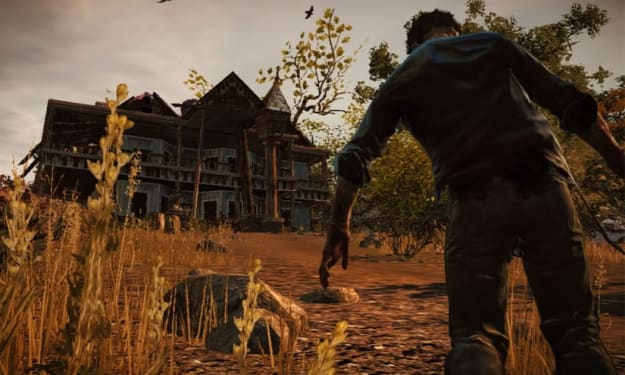
20 Horror Game Masterpieces to Play Before You Die
Horror games have a unique ability to evoke fear and adrenaline, making them a beloved genre among gamers. However, there are some horror video games that will blow your mind, and you should play them to experience the sensations they offer. For this reason, I asked the AI about the best horror video games available, since I find it difficult to choose among so many options.
By Ninfa Galeano3 days ago in Gamers



Comments
There are no comments for this story
Be the first to respond and start the conversation.