
THE HISTORICAL CONTEXT OF THE MARATHON IN THE OLYMPICS
The Evolution and Significance of the Marathon in Olympic History.

The marathon is one of the most iconic events in the Olympic Games, tracing its origins to ancient history and evolving into a symbol of endurance and human spirit. Its journey through the annals of the Olympics is steeped in historical significance and cultural resonance, making it a cornerstone of the modern Olympic movement.
(I)Origins of the Marathon
The marathon's roots lie in ancient Greece, specifically in the legend of Pheidippides, a Greek soldier and messenger. According to Herodotus and later accounts, Pheidippides was dispatched from the battlefield of Marathon to Athens in 490 BCE to announce the Greek victory over the Persian army. Legend states that he ran the approximately 25 miles, delivered his message, "Nenikēkamen!" ("We have won!"), and collapsed to his death. While historians debate the accuracy of this tale, it inspired the creation of the modern marathon race.
When the modern Olympic Games were revived in 1896 in Athens, organizers sought to link the new event to the glory of ancient Greece. French linguist Michel Bréal proposed the marathon race as a tribute to Pheidippides' legendary run. The race was included in the inaugural Olympics, covering a distance of roughly 40 kilometers (approximately 25 miles) from Marathon to Athens. Spiridon Louis, a Greek water carrier, won the first Olympic marathon, instantly becoming a national hero and cementing the race's place in Olympic lore.
(II)Standardizing the Marathon Distance
The marathon’s distance was not standardized at first. Early races varied in length, usually aligning with local geography. The turning point came during the 1908 London Olympics. The race was set to begin at Windsor Castle and end in front of the royal box at White City Stadium, covering a distance of 26 miles and 385 yards (42.195 kilometers). This unique distance became the standard for all subsequent marathons, officially adopted by the International Amateur Athletic Federation (IAAF) in 1921.
(III)Evolution of the Marathon in the Olympics
The marathon has undergone significant changes since its inception. Initially, it was an all-male event, reflecting the gender norms of the late 19th and early 20th centuries. Women were excluded from long-distance races due to unfounded beliefs about their physical capabilities. However, women’s participation in marathons grew in the 20th century, thanks to pioneers like Kathrine Switzer, who famously ran the Boston Marathon in 1967 despite attempts to remove her from the course. Her efforts, along with those of other advocates, led to the inclusion of the women’s marathon in the 1984 Los Angeles Olympics, where Joan Benoit of the United States won the historic first gold medal.
The marathon also became a platform for political and social statements. One notable example occurred during the 1960 Rome Olympics, where Ethiopian runner Abebe Bikila won the marathon barefoot, becoming the first Black African athlete to win an Olympic gold medal. His victory symbolized the rise of African athletes in long-distance running and challenged racial stereotypes. Bikila’s dominance continued in the 1964 Tokyo Olympics, where he became the first athlete to win back-to-back Olympic marathons.
(IV)Memorable Moments
The Olympic marathon has produced numerous unforgettable moments. In 1904, Thomas Hicks of the United States won the race under controversial circumstances, aided by a combination of strychnine (then considered a performance enhancer) and brandy. The 1908 marathon famously featured Italian runner Dorando Pietri, who staggered into the stadium and collapsed multiple times before being disqualified for receiving assistance. These dramatic incidents contributed to the marathon’s enduring mystique.
Another memorable moment occurred in the 1968 Mexico City Olympics, where Tanzania’s John Stephen Akhwari finished last but gained global admiration for his perseverance. Injured during the race, Akhwari limped across the finish line long after the other runners had completed the race, stating, "My country did not send me 5,000 miles to start the race; they sent me 5,000 miles to finish it."
(V)Modern-Day Significance
Today, the Olympic marathon continues to captivate audiences worldwide. It serves as a showcase for elite athletes and a celebration of the human spirit. The race often winds through historic and scenic routes, highlighting the host city’s cultural landmarks. The marathon’s universal appeal lies in its accessibility—while only a few can compete at the Olympic level, millions of amateur runners participate in marathons globally, inspired by the same ideals of perseverance and achievement.
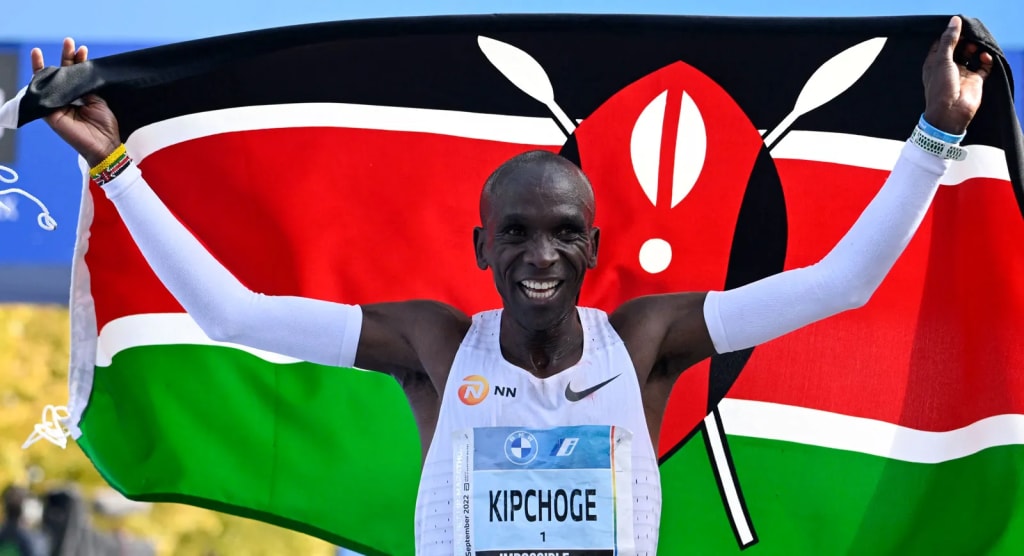
The marathon also reflects advancements in sports science and training. Modern athletes benefit from innovations in nutrition, footwear, and training methods, resulting in faster times and more competitive races. The event has seen extraordinary performances, such as Eliud Kipchoge’s dominance, though his historic sub-two-hour marathon was achieved outside Olympic competition.
In The End
The marathon’s historical context within the Olympics is a testament to its enduring legacy. From its mythical origins in ancient Greece to its modern-day prominence, the marathon embodies the Olympic ideals of determination, unity, and excellence. As athletes and spectators gather every four years to witness this epic event, the marathon continues to inspire and unite people around the world, celebrating the boundless potential of the human spirit.
About the Creator
Badhan Sen
Myself Badhan, I am a professional writer.I like to share some stories with my friends.
Keep reading
More stories from Badhan Sen and writers in Gamers and other communities.
THE INTRODUCTION OF GOLF BACK INTO THE OLYMPICS IN 2016
The 2016 Summer Olympics in Rio de Janeiro marked a significant milestone in the history of sports, as golf returned to the Olympic Games after a hiatus of 112 years. This reintroduction was not only a testament to the global popularity of golf but also a reflection of the International Olympic Committee’s (IOC) efforts to modernize and broaden the appeal of the Games. The return of golf was met with a mix of excitement, skepticism, and debate, but it ultimately proved to be a historic and enriching addition to the Olympic program.
By Badhan Senabout a year ago in Gamers
Marvel Rivals Patch Notes: Season 6 "Night at the Museum" - Full Breakdown, Deadpool Abilities, and Hero Buffs
The wait is almost over! NetEase Games has finally pulled back the curtain on the next massive update for its hit superhero shooter. If you’ve been searching for the latest Marvel Rivals patch notes, you’re in the right place. Season 6, titled "Night at the Museum," is officially set to launch on January 16, 2026, and it’s bringing the Merc with a Mouth along for the ride.
By Info Post Gate6 days ago in Gamers
How Fortnite Became More Than Just a Game
When Fortnite launched in 2017, it was widely seen as just another multiplayer video game. Nearly a decade later, that view no longer fits reality. Fortnite has grown into a global digital platform that blends gaming, creativity, entertainment, and social interaction. This transformation did not happen overnight, and it did not rely on hype alone. Instead, it was driven by consistent innovation, community involvement, and a shift in how people use online spaces.
By Games Mode Ona day ago in Gamers
Wild Card Weekend Recap: What Happens Now?
I think I figured out why I love Wild Card Weekend so much. It's because it's the first playoff anything of the calendar year. The NFL season starts in the fall, and once upon a time, the champion was crowned either on or slightly before New Year's. The evolution of the NFL schedule has resulted in the playoffs starting just into the New Year, and currently, the final week of the season falls on the first weekend of the New Year, with Wild Card Weekend coming a week after that. So yes, chronologically, the NFL's Wild Card Weekend serves as the first playoff anything of the calendar year.
By Clyde E. Dawkins7 days ago in Unbalanced



Comments
There are no comments for this story
Be the first to respond and start the conversation.