
THE GREEN OLYMPIC MOVEMENT AND SUSTAINABILITY
Promoting Eco-Friendly Innovation in Global Sports.


The Olympic Games are one of the largest sporting events in the world, attracting millions of viewers and participants from across the globe. With such a massive scale, the environmental and social impacts of the event have become a topic of concern over the years. In response, the Green Olympic Movement has emerged, focusing on sustainability and minimizing the negative ecological footprint of the Games. This movement has evolved over time, shaping the way Olympic cities plan, organize, and host the Games.
(I)Origins of the Green Olympic Movement🌍🏅
The concept of sustainability in the Olympics began gaining momentum in the late 20th century. Prior to this, the environmental consequences of the Games were often overlooked, with rapid construction of infrastructure, high levels of waste, and large carbon footprints. The turning point came in 1992, when the International Olympic Committee (IOC) introduced the first guidelines for incorporating sustainability into the Games during the Barcelona Olympics. However, it was during the 2000 Sydney Olympics that sustainability became a core principle.
Sydney 2000 marked the first Olympic Games where the environment and sustainability were recognized as integral to the event. The Sydney Games were heralded for their focus on reducing carbon emissions, enhancing waste management, and promoting the use of renewable resources. Sydney’s environmental program included measures such as the reduction of water usage, energy efficiency, and waste management. These efforts set a precedent for future Olympic Games.
(II)Sustainability Goals and Green Innovations in Recent Olympic Games
Over the years, each Olympic Games has aimed to integrate green practices, with some cities pushing boundaries to showcase groundbreaking sustainability efforts. For instance, the 2008 Beijing Olympics introduced the Green Olympics concept, focusing on eco-friendly initiatives like the National Stadium (Bird's Nest), which was designed for energy efficiency, and the use of renewable energy sources for event operations.
However, it was the 2016 Rio de Janeiro Olympics that marked a significant step forward in terms of environmental responsibility. Rio focused on large-scale sustainability programs, such as:
- The construction of the Olympic Park using sustainable building practices.
- Reforestation efforts to restore damaged areas and protect local wildlife.
- Water conservation measures and the use of eco-friendly materials for construction.
The 2020 Tokyo Olympics, held in 2021 due to the pandemic, took sustainability to new heights. Tokyo introduced a number of cutting-edge innovations to ensure the Games aligned with the principles of the United Nations Sustainable Development Goals (SDGs). Some of the standout efforts included:
- Medals made from recycled e-waste: Over 78,000 tons of electronic waste was used to create the gold, silver, and bronze medals.
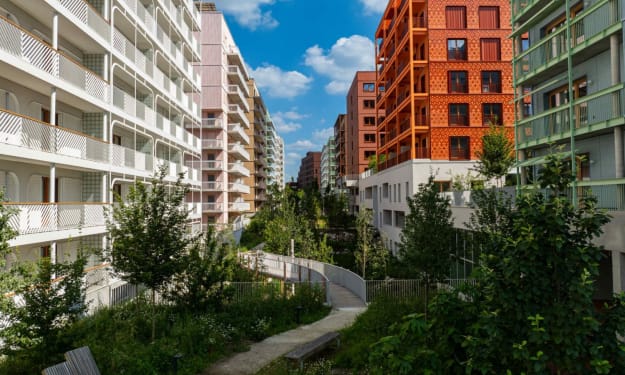
- Sustainable venues: Many venues were designed to be temporary, reducing long-term environmental impact. The Athletes’ Village was built using sustainable materials and the energy used in the village was largely solar-powered.
- Carbon neutrality: Tokyo made efforts to achieve a carbon-neutral Games through a combination of renewable energy, energy-efficient designs, and offset projects like tree planting.
The Paris 2024 Olympics is aiming to continue this trend of sustainability with its emphasis on environmental responsibility. The city plans to reduce the overall carbon footprint of the event by using existing sports venues, minimizing construction needs, and focusing on eco-friendly transportation options.
(III)Key Pillars of the Green Olympic Movement
- Green Infrastructure and Design: Olympic host cities are increasingly focusing on building green infrastructure. Sustainable architecture, energy-efficient venues, and the use of recycled materials have become key features of modern Olympic constructions. The legacy of these developments often includes long-term benefits for the local population, such as improved public transport systems, renewable energy systems, and eco-friendly urban planning.
- Environmental Impact Reduction: The IOC and host cities now set goals to reduce the environmental impact of the Games by minimizing carbon emissions, conserving water, reducing waste, and promoting recycling. This includes measures like zero waste venues, sustainable food sourcing, and carbon offset programs.
- Renewable Energy: The use of renewable energy sources, including solar and wind power, has become a standard feature of the Green Olympic Movement. Host cities are investing in renewable energy infrastructure to power Olympic venues and reduce reliance on fossil fuels.
- Promoting Sustainable Transportation: The movement also encourages the use of public transportation, electric vehicles, and bike-sharing programs to reduce emissions from transportation. These initiatives not only benefit the Games but also contribute to long-term improvements in urban mobility.
- Social and Cultural Sustainability: The Green Olympic Movement isn't limited to environmental sustainability. It also encompasses social and cultural sustainability, promoting inclusivity, equity, and community involvement in the Games. The integration of local cultures, respecting indigenous peoples' rights, and providing long-lasting benefits to host communities are now essential aspects of hosting the Olympics.
(IV)Challenges and Future Outlook
Despite significant progress, challenges remain in achieving full sustainability in the Olympic Games. The high cost of implementing green technologies, the temporary nature of some Olympic facilities, and the enormous transportation needs of athletes and spectators continue to pose significant hurdles. Furthermore, the COVID-19 pandemic has added complexities to the planning and hosting of the Games, making it more difficult to predict the full environmental impact of future Games.
However, the Green Olympic Movement is undeniably evolving. The momentum for sustainability in the Olympics is growing, and host cities are increasingly committing to making the Games a model for environmental stewardship. As the IOC works toward its goal of making the Games carbon-neutral by 2030, the lessons learned from past Olympic Games provide hope for a more sustainable future.
End
The Green Olympic Movement has transformed the way the Olympic Games are perceived and organized. From Sydney to Tokyo and beyond, sustainability has become a central theme of the Games, integrating environmental, social, and economic considerations into the Olympic experience. As the world faces growing challenges related to climate change and resource depletion, the Olympic Games have the potential to serve as a global platform for innovation, advocacy, and action toward a more sustainable future.
About the Creator
Badhan Sen
Myself Badhan, I am a professional writer.I like to share some stories with my friends.
Keep reading
More stories from Badhan Sen and writers in Gamers and other communities.
THE CONSTRUCTION OF OLYMPIC VILLAGES:HISTORY AND CHALLENGES
The Olympic Village is one of the most vital components of the Olympic Games, serving as the living and training quarters for athletes during the event. Its construction is an essential part of preparing for the Olympics, as it not only provides accommodation but also fosters a sense of community and cultural exchange among athletes from diverse backgrounds. However, constructing an Olympic Village involves significant challenges, from logistical concerns to architectural innovations and sustainability efforts. This article explores the history and challenges associated with the construction of Olympic Villages.
By Badhan Senabout a year ago in Gamers
The Rise of Online Gaming Communities: How Players, Creators, and Collaboration Shape Digital Culture
Over the last decade, online gaming has grown far beyond a simple form of entertainment. What once existed as a niche hobby for a small group of enthusiasts has evolved into a vast, interconnected digital culture. Today, online gaming is a global ecosystem that connects players, creators, and communities, all contributing to an environment where interaction, storytelling, and creativity define the experience. Gaming has become more than a pastime—it’s a space where social connections are built, ideas are shared, and digital culture is shaped.
By Hawaiian Malia4 days ago in Gamers
Avowed — Obsidian Entertainment’s Newest RPG
Avowed is a first-person action role-playing video game developed by Obsidian Entertainment and published by Xbox Game Studios. Set in the fantasy world of Eora, the game shares its universe with Obsidian’s Pillars of Eternity series, but delivers a new story, perspective, and combat experience.
By Games Mode On7 days ago in Gamers



Comments
There are no comments for this story
Be the first to respond and start the conversation.