
THE CONSTRUCTION OF OLYMPIC VILLAGES:HISTORY AND CHALLENGES
Exploring the Evolution,Impact,and Complexities of Building the Home of Olympians.

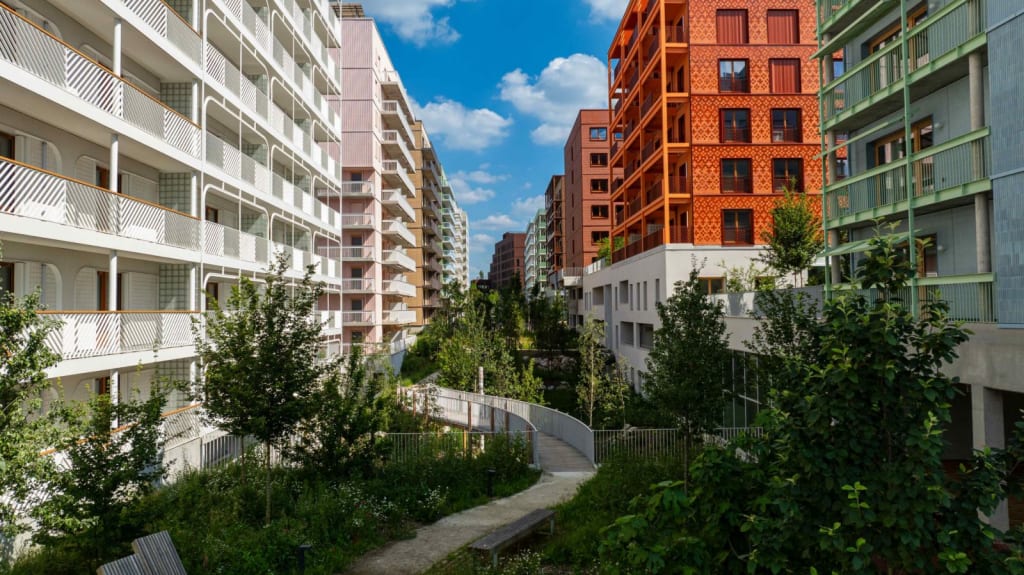
The Olympic Village is one of the most vital components of the Olympic Games, serving as the living and training quarters for athletes during the event. Its construction is an essential part of preparing for the Olympics, as it not only provides accommodation but also fosters a sense of community and cultural exchange among athletes from diverse backgrounds. However, constructing an Olympic Village involves significant challenges, from logistical concerns to architectural innovations and sustainability efforts. This article explores the history and challenges associated with the construction of Olympic Villages.
History of the Olympic Village Concept
The concept of an Olympic Village was first introduced at the Berlin Olympics of 1936. Before this, athletes typically stayed in hotels or other facilities spread throughout the host city, making it difficult for them to form a sense of community. The idea of a centralized village where athletes could live, train, and socialize together was proposed as a means to enhance camaraderie and ease logistics during the Games.
The first official Olympic Village was constructed for the 1948 London Olympics. It was located in Willesden, in the northern part of the city, and provided a more organized living space for athletes. The success of this village set the stage for future Games, where the construction of purpose-built Olympic Villages became an integral part of the event’s infrastructure.
Since then, each host city has developed its own Olympic Village, with variations in size, design, and location based on the specific needs and context of the Games. For example, the Barcelona 1992 Olympics featured a state-of-the-art village with modern amenities and stunning views, while the Beijing 2008 Olympics showcased a massive, environmentally sustainable complex.
Design and Construction of Olympic Villages
The design and construction of Olympic Villages are influenced by several factors, including the number of athletes, the available land, the city’s infrastructure, and the legacy goals of the host nation. Each village must provide housing for thousands of athletes and officials, along with facilities such as dining halls, medical centers, gyms, recreational spaces, and other essential amenities.
The design process often begins several years before the Games, involving collaboration between urban planners, architects, construction companies, and Olympic organizing committees. The villages must be designed to accommodate athletes' specific needs, such as privacy, accessibility, and convenience. Additionally, the construction process requires adherence to strict timelines, as the villages must be ready before the opening ceremony.
For example, the London 2012 Olympics featured the Olympic Park, where the village was designed with sustainability in mind. The structures were intended to minimize environmental impact, and the village's design incorporated energy-efficient technologies, such as solar panels and rainwater harvesting systems. After the Games, the buildings were repurposed as affordable housing, contributing to the city's long-term urban development.
Challenges in Building Olympic Villages
Logistical and Time Constraints: One of the primary challenges in building an Olympic Village is the tight timeline. Construction must be completed on time to accommodate thousands of athletes, coaches, and officials. Delays in construction can lead to logistical chaos, affecting the overall success of the Games. The process involves coordinating with a wide range of contractors, architects, and city officials, all of whom must work together to meet strict deadlines.
Cost Management: The cost of building an Olympic Village can be substantial, often running into billions of dollars. The host city must balance the need for world-class facilities with budget constraints. In some cases, the pressure to build extravagant and state-of-the-art accommodations has led to budget overruns, which may strain local governments and taxpayers. The challenge is to ensure that the village is both functional during the Games and useful for the community afterward.
Environmental Impact and Sustainability: With growing global awareness about climate change and sustainability, modern Olympic Villages are expected to minimize their environmental impact. This includes using eco-friendly building materials, renewable energy sources, and water-saving technologies. However, implementing sustainable practices can be challenging, particularly when construction is rushed or budget constraints limit the use of green technologies. The Beijing 2008 Olympics and London 2012 Olympics were notable for their efforts to create eco-friendly villages, though these efforts often came at a higher cost.
Post-Games Use: Another significant challenge is determining the post-Games use of the Olympic Village. Many Olympic Villages are built on large tracts of land that are only temporarily used for the Games. After the event, the village must be repurposed into something that benefits the local community. In some cases, this has meant converting the buildings into affordable housing or community centers, as seen in London 2012 and Sydney 2000. However, in some cities, Olympic Villages have been left abandoned or underused, leading to criticism and debates about the long-term value of these massive investments.
Security and Safety: Ensuring the safety and security of athletes, officials, and visitors is paramount during the construction and operation of Olympic Villages. Given the global nature of the Games, host cities must provide robust security measures to prevent terrorism, crime, and accidents. This involves planning for surveillance, emergency response, and crowd management. The complexity of security logistics increases the difficulty of construction, as additional resources and personnel must be allocated to safeguard the village.
End
The construction of Olympic Villages is an essential aspect of hosting the Olympic Games, requiring careful planning, investment, and execution. While the concept has evolved significantly since its inception, the challenges associated with building these villages remain substantial. From meeting tight deadlines and managing costs to ensuring sustainability and post-Games utility, the construction of Olympic Villages requires the coordinated effort of architects, planners, and city officials. Despite these challenges, the legacy of the Olympic Village continues to shape host cities, providing lasting benefits to their communities long after the Games have ended.
About the Creator
Badhan Sen
Myself Badhan, I am a professional writer.I like to share some stories with my friends.
Keep reading
More stories from Badhan Sen and writers in Gamers and other communities.
THE ROLE OF PUBLIC OPINION IN HOSTING THE OLYMPICS
The Olympic Games, one of the most prestigious sporting events in the world, bring together athletes from all corners of the globe in a celebration of athletic excellence and international unity. However, the process of hosting the Olympics is not just about building stadiums and organizing competitions; it is also heavily influenced by public opinion. Public support and sentiment can shape a host city's bid for the Olympics and influence the lasting legacy of the Games. Understanding the role of public opinion in the bidding process, the event’s preparation, and its aftermath is crucial in recognizing how the Olympics fit into the social and political fabric of a host city or country.
By Badhan Senabout a year ago in Gamers
Rsvsr Mega Evolutions Are Coming to Pokémon TCG Pocket – Get Ready!
If you’re a Pokémon fan, chances are you’ve been hooked on Pokémon TCG Pocket, the digital card game that lets you collect, trade, and battle Pokémon right from your phone. Well, there’s exciting news: the game is about to get a major update with Mega Evolution cards! And yes, that means Pokémon like Mega Gyarados, Mega Blaziken, and Mega Altaria are coming to your decks.
By Dangyc Ding5 days ago in Gamers




Comments
There are no comments for this story
Be the first to respond and start the conversation.