
THE FUTURE OF VIRTUAL AND E-SPORTS IN THE OLYMPIC GAME
Exploring the Integration of Virtual and E-Sports into the Olympic Movement.

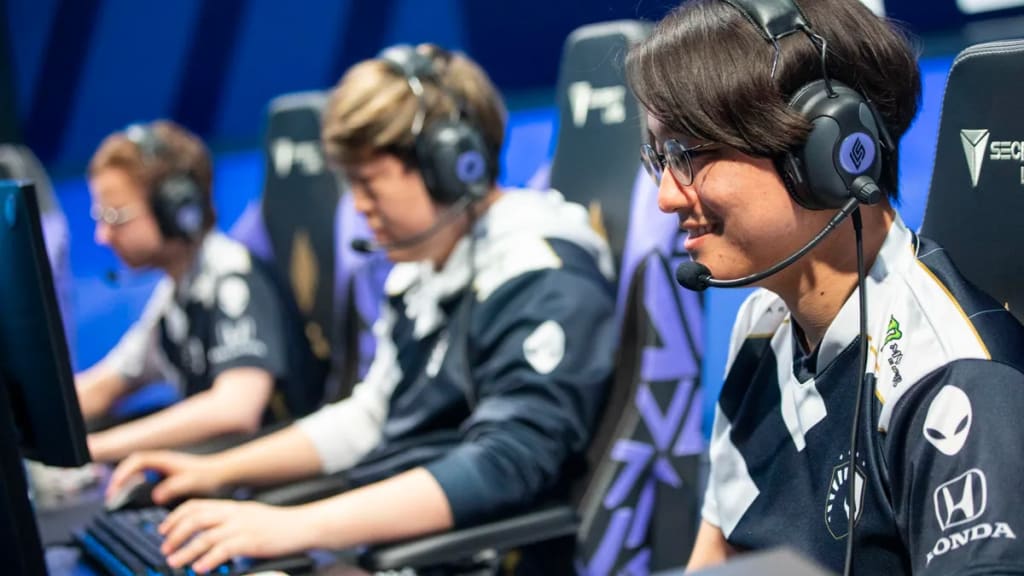
As the world becomes increasingly digital, the landscape of sports is undergoing a transformative shift. Virtual sports (simulation Games that mimic real-life sports) and e-sports (competitive video gaming) are gaining massive popularity globally, attracting millions of viewers and participants. The Olympic Games, one of the most prestigious and historic sporting events, has long been a symbol of international unity and athletic excellence. In recent years, there have been increasing discussions about incorporating virtual and e-sports into the Olympic Games. The future of virtual and e-sports in the Olympics offers an exciting yet complex vision for the evolution of the Games.
(I)E-Sports and Virtual Sports: The Emerging Trend
E-sports, where professional gamers compete in tournaments for games such as League of Legends, Dota 2, Fortnite, and Counter-Strike, have witnessed exponential growth. According to Newzoo's 2023 Global Esports and Live Streaming Market Report, the global e-sports audience reached over 500 million, and the industry generated over $1 billion in revenue in 2022. These numbers rival traditional sports in terms of both viewership and financial investment. Virtual sports, which include digital versions of traditional sports such as FIFA, NBA 2K, and Gran Turismo, have similarly captured the attention of both fans and athletes alike. The accessibility and engaging nature of these digital competitions appeal to a younger, tech-savvy audience that represents a shift in how we define sports in the 21st century.
(II)The Case for E-Sports and Virtual Sports in the Olympics
Incorporating e-sports and virtual sports into the Olympic Games presents numerous advantages. Firstly, it would attract a new, younger audience. The average age of an e-sports enthusiast is around 26, significantly younger than the traditional Olympic audience. As traditional Olympic sports continue to see declining participation rates among younger generations, adding e-sports could help rejuvenate interest and bring the Games into the digital age.
Secondly, the inclusion of e-sports and virtual sports would showcase the Olympics as an evolving, forward-thinking event, acknowledging the role technology plays in modern entertainment. Games like League of Legends and Fortnite demonstrate the evolving nature of sports and competition, blending technology, strategy, and entertainment in new and innovative ways. The Olympic Games, with its emphasis on human achievement and excellence, could integrate this new form of competition while maintaining its tradition of inclusivity, diversity, and sportsmanship.
Moreover, e-sports and virtual sports have the potential to open new sponsorship and broadcast revenue streams. Partnerships with tech giants, such as Microsoft, Sony, and Tencent, could lead to substantial financial backing. Additionally, the ability to stream these events globally on digital platforms, including YouTube, Twitch, and others, would increase the Olympic Games' accessibility and appeal to international audiences.
(III)Challenges and Considerations
Despite these promising opportunities, the inclusion of e-sports and virtual sports in the Olympics faces significant hurdles. One of the primary challenges is the perception of e-sports as “true” sports. While many e-sports athletes undergo extensive training, similar to traditional athletes, their discipline is often perceived as less physically demanding, which raises concerns about the legitimacy of such competitions in the Olympics. Olympic officials may need to reconsider the traditional definitions of what constitutes a sport.
Another challenge is the volatility and lack of uniformity in the e-sports landscape. E-sports are characterized by rapidly changing games, technologies, and platforms. New titles constantly emerge while others fade into obscurity. This makes it difficult to establish long-term planning for e-sports competitions within the Olympics. Unlike traditional sports like basketball or athletics, which have established rules and structures, the ever-evolving Nature of e-sports presents a challenge in terms of standardization, Regulation, and Governance.
In addition, there are concerns about the health of e-sports athletes. Long hours of practice, exposure to screens, and the sedentary nature of gaming can lead to physical and mental health issues such as eye strain, repetitive stress injuries, and mental fatigue. For e-sports to be incorporated into the Olympics, organizations would need to address these concerns, ensuring that players maintain a healthy lifestyle in line with the Olympic ethos.
(IV)Possible Pathways for Integration
The International Olympic Committee (IOC) has already taken steps toward integrating Virtual and e-sports into the Olympic movement. In 2021, the IOC hosted its first e-sports series, which included competitive gaming events in various sports-related video games, such as Gran Turismo and Virtual Regatta. This marks a step toward recognizing the potential for digital sports in the Olympic framework.
Moving forward, the IOC could adopt a hybrid model where virtual and e-sports are featured as part of the broader Olympic Games but are separated into a distinct category. For example, there could be virtual and e-sports competitions running parallel to traditional Olympic events, similar to how the Winter and Summer Olympics are separate yet part of the same overarching Olympic movement. This would allow both physical and digital sports enthusiasts to celebrate their athleticism on the world stage, while respecting the unique characteristics of each type of competition.
In The End
The future of virtual and e-sports in the Olympic Games is both promising and complex. The integration of these digital competitions could further the Olympics' commitment to showcasing human achievement, creativity, and technological advancement, ushering in a new era of sport.
About the Creator
Badhan Sen
Myself Badhan, I am a professional writer.I like to share some stories with my friends.
Keep reading
More stories from Badhan Sen and writers in Gamers and other communities.
THE ROLE OF THE OLYMPICS IN SHAPING PUBLIC OPINION ON NATIONALISM AND PATRIOTISM
The Olympic Games, an international sporting event that gathers athletes and audiences from nearly every corner of the globe, serves as a powerful platform for the interplay of nationalism and patriotism. While these concepts are often conflated, they represent distinct ideologies: nationalism emphasizes a sense of superiority and exclusivity based on national identity, while patriotism celebrates love and devotion to one’s country without necessarily demeaning others. Through the Olympics, public opinion on these ideologies is both reflected and shaped, as the games provide an arena for the expression of national pride, unity, and sometimes tension.
By Badhan Senabout a year ago in Gamers
Lessons from the Golf Course: Discipline, Focus, and the Art of Performance
Golf was never meant to teach me anything about performance. At first, it was simply a way to slow down. A walk across wide green space, the sound of a clean strike, the quiet challenge of sending a small white ball toward a distant target.
By Andreas Szakacsabout 9 hours ago in Gamers
Top tipple tricks
Been thinking a lot about drinking, lately. Not least because of a recent episode of over-indulgence and the inevitable after effects. Some readers may recall the earlier articles I wrote about beating the booze. Here I set out an experiment in techniques for cutting down on my alcohol intake. The experiment was successful, the techniques worked, and I have armed myself with an arsenal of weapons in the war against the demon drink. I have yet to fire the first round however. It's all a question of timing (perhaps procrastination).
By Raymond G. Taylor7 days ago in Psyche



Comments (2)
Very nice
Very nice