
THE ROLE OF THE OLYMPICS IN SHAPING PUBLIC OPINION ON NATIONALISM AND PATRIOTISM
The Impact of the Olympics on Fostering National Identity and Patriotism.

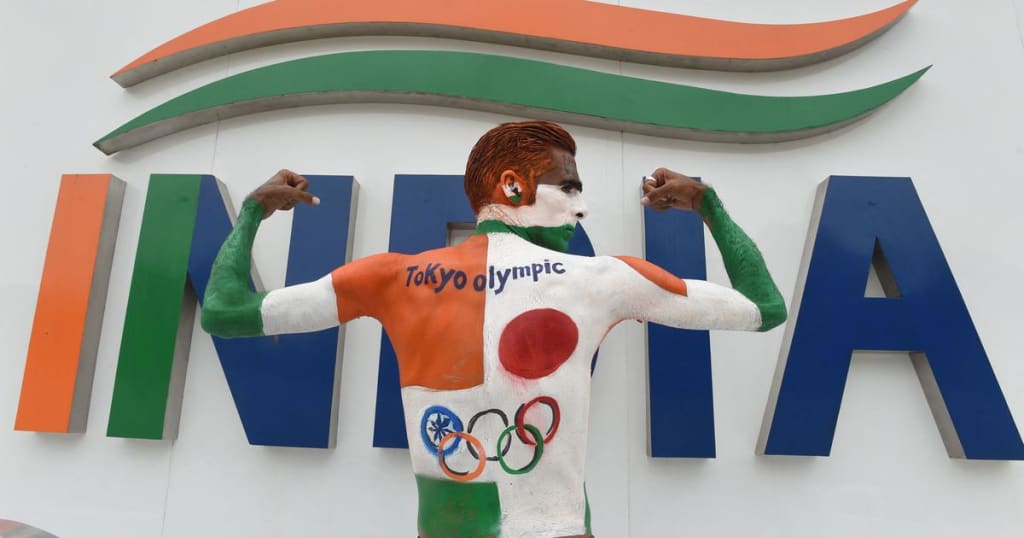
The Olympic Games, an international sporting event that gathers athletes and audiences from nearly every corner of the globe, serves as a powerful platform for the interplay of nationalism and patriotism. While these concepts are often conflated, they represent distinct ideologies: nationalism emphasizes a sense of superiority and exclusivity based on national identity, while patriotism celebrates love and devotion to one’s country without necessarily demeaning others. Through the Olympics, public opinion on these ideologies is both reflected and shaped, as the games provide an arena for the expression of national pride, unity, and sometimes tension.
Historical Context of Nationalism in the Olympics
From its inception in 1896, the modern Olympics have been intertwined with national identity. The Games’ revival by Pierre de Coubertin was rooted in the belief that sport could foster international understanding. However, the competitive nature of the event often amplified nationalistic fervor. During the Cold War, for example, the Olympics became a stage for ideological battles between the United States and the Soviet Union, with each side vying for dominance in medal counts as a demonstration of political and cultural superiority. Such rivalries heightened nationalistic sentiments, as victories were seen as proof of a nation’s strength and Values.
The Olympics as a Catalyst for Patriotism
While nationalism often takes center stage, the Olympics also evoke genuine patriotism. The sight of athletes draped in their national flags, singing their anthems on the podium, inspires collective pride and a sense of unity among citizens. Moments such as Jesse Owens’s triumph in the 1936 Berlin Games, despite the backdrop of Nazi propaganda, or the Refugee Olympic Team’s debut in 2016, highlight stories that transcend politics, showcasing the human spirit and resilience. These narratives reinforce patriotic feelings by celebrating universal values like perseverance, courage, and unity.
Media’s Role in Shaping Perceptions
Media coverage plays a crucial role in shaping how nationalism and patriotism are perceived during the Olympics. By emphasizing medal tallies, broadcasters often fuel nationalistic competition, framing the Games as a contest among nations rather than individual athletes. This approach can intensify national rivalries and overshadow the original Olympic ideal of fostering global unity. Conversely, media outlets also spotlight human-interest stories, focusing on athletes’ personal journeys and the collaborative spirit of the Games. These narratives help balance the scales, promoting patriotism and shared humanity over divisive Nationalism.
The Fine Line Between Pride and Exclusion
One of the challenges the Olympics face is the fine line between healthy pride and exclusionary nationalism. While cheering for one’s country is natural, it can sometimes lead to xenophobia or the marginalization of minority groups within a nation. For instance, athletes who represent countries other than their birthplace often face criticism or accusations of betrayal. This reflects a narrow view of national identity that conflicts with the inclusive ethos of the Olympics.
Modern Implications of Nationalism and Patriotism
In today’s globalized world, the role of the Olympics in shaping public opinion on nationalism and patriotism has evolved. The Games provide a platform for discussing broader issues such as immigration, gender equality, and racial inclusivity. Athletes often use their visibility to advocate for social change, challenging traditional notions of nationalism. For example, gestures like kneeling during anthems or wearing symbols of protest highlight the intersection of sports and politics, encouraging audiences to question and redefine their understanding of national pride.
Balancing National Identity and Global Unity
The Olympics serve as a reminder of the interconnectedness of nations. While they celebrate individual countries’ achievements, they also underscore shared values and mutual respect. Events like the Parade of Nations, where athletes from all over the world march together, symbolize a vision of global unity. The Games’ emphasis on fair play and mutual respect encourages spectators to appreciate other cultures and perspectives, fostering a sense of global citizenship alongside national pride.
In The End
The Olympics occupy a unique space in shaping public opinion on nationalism and patriotism. They amplify national pride and unity while offering opportunities for reflection on the complexities of national identity in a globalized world. By highlighting both the achievements of individual nations and the shared values of humanity, the Games encourage a more inclusive form of patriotism that transcends borders. As the Olympics continue to evolve, they hold the potential to bridge divides, promoting a balance between celebrating one’s country and embracing the global community.
About the Creator
Badhan Sen
Myself Badhan, I am a professional writer.I like to share some stories with my friends.
Keep reading
More stories from Badhan Sen and writers in Gamers and other communities.
HOW OLYMPIC ATHLETES HAVE USED THEIR PLATFORM FOR POLITICAL ACTIVISM
Throughout history, the Olympics have been more than just a stage for athletic excellence. They have served as a global platform for political and social activism, with athletes leveraging their visibility to advocate for justice, equality, and human rights. From iconic gestures to vocal protests, Olympians have used their moment in the spotlight to bring attention to critical issues, often at great personal risk.
By Badhan Senabout a year ago in Gamers
The Family Totem: A Warlock Who is All About Honor Above Glory
Junpei had told Lord Ona that he would defend the gate, ensuring that no one would enter. Neko lay nearby, purring as usual, but then she woke up, ready for action. He asked the cat to walk over to where the attackers would come through; the cat grudgingly did so. He focused inwardly, becoming inspired and ready for battle. A demon entered the area before the gate; Junpei laughed at the illusion. Three samurai entered the area; he grinned at the challenge. They readied their bows. He had Neko grapple the leg of one of the samurai and concentrated for a moment. The samurai felt the chill of death as his life force ebbed from his chill touch. They charged. He summoned a glowing sword in front of him. The samurai sliced at him. Two of them hit. The glowing sword sliced one down. He himself sliced at another samurai.
By Jamais Jochimabout 18 hours ago in Gamers


Comments (1)
Great thought