
THE FUTURE OF OLYMPIC VENUES AND SUSTAINABILITY
Innovating for a Greener Tomorrow:Balancing Legacy with Environmental Responsibility.

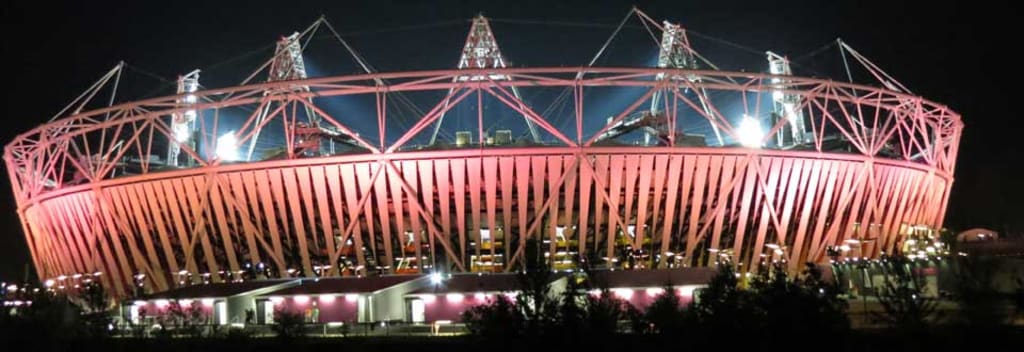
The Olympic Games have always been a symbol of athletic excellence, cultural exchange, and global unity. However, as the world faces increasing environmental challenges, the future of Olympic venues and their sustainability has become a pressing issue. The development and maintenance of Olympic venues have significant environmental, economic, and social implications. With growing concerns about climate change, resource depletion, and the long-term impact of large-scale infrastructure projects, sustainable practices are now essential in the planning and execution of the Olympic Games. The future of Olympic venues must prioritize sustainability in order to reduce environmental footprints, ensure economic viability, and leave a positive legacy for future generations.
(I)Environmental Impact and Challenges
One of the primary challenges associated with Olympic venues is their environmental impact. The construction of large-scale sports complexes, hotels, transportation infrastructure, and other facilities consumes vast amounts of resources, including land, energy, and water. Additionally, the demolition of existing structures and the transportation of materials can result in significant carbon emissions. For example, the Beijing 2008 Olympics and the London 2012 Olympics were both subject to scrutiny over their environmental impact, despite efforts to implement green building practices.
The environmental concerns surrounding the Olympics are not limited to the construction phase. After the games are over, many Olympic venues often fall into disuse or become expensive to maintain. In the past, some cities have seen their Olympic venues abandoned or underutilized, leading to long-term environmental degradation and wasted resources. For example, the Athens 2004 Olympics left behind a number of unused venues, many of which fell into disrepair due to financial constraints. The Rio 2016 Olympics also faced criticism for its abandoned infrastructure, which resulted in environmental pollution.
(II)Sustainable Design and Infrastructure
The future of Olympic venues will need to embrace sustainable design and infrastructure to minimize their environmental impact. This includes the use of eco-friendly building materials, energy-efficient technologies, and water-saving solutions. For instance, the Tokyo 2020 Olympics (held in 2021 due to the pandemic) made significant strides toward sustainability. The Olympic Village was constructed using sustainable materials, and much of the energy was sourced from renewable sources. The games also featured zero-emission vehicles and the use of recycled materials for the Olympic medals.
In addition to green building practices, Olympic venues will need to focus on creating multi-purpose facilities that can be used long after the games have ended. These venues should be designed to serve local communities and reduce the need for costly new construction projects. Modular and temporary structures that can be disassembled or repurposed are another promising solution for creating sustainable venues. This approach minimizes the amount of waste generated by large-scale constructions and ensures that resources are not wasted once the games are over.
(III)Legacy Planning and Community Engagement
Sustainability in Olympic venues is not only about reducing environmental impact during the games but also about ensuring a positive legacy for the host city and its residents. Cities must engage with local communities to ensure that Olympic venues contribute to long-term social and economic development. This includes creating venues that are accessible to the public, integrating local culture and traditions, and ensuring that the infrastructure benefits future generations.
For example, the London 2012 Olympics placed a strong emphasis on community engagement and legacy planning. The Olympic Park was designed with sustainability and legacy in mind, transforming a former industrial site into a public space with sports facilities, parks, and housing. Similarly, the Barcelona 1992 Olympics helped to revitalize the city's waterfront and improve its infrastructure, leaving a lasting legacy that benefited local residents and tourists alike.
One of the key aspects of sustainability is the ability to create venues that are adaptable to future needs. Olympic venues should be designed with flexibility in mind, allowing them to be easily repurposed or modified as the needs of the community change. For example, sports arenas can be converted into concert halls or convention centers, while Olympic Villages can be transformed into affordable housing or mixed-use developments.
(IV)The Role of Technology
Technology will play a pivotal role in shaping the future of Olympic venues. Advances in smart cities and sustainable technology can help optimize the use of resources and reduce environmental impacts. For example, the use of smart grids to manage energy consumption, rainwater harvesting systems, and energy-efficient lighting can all contribute to reducing the carbon footprint of Olympic venues. In addition, data analytics can be used to monitor the environmental impact of venues in real-time, allowing organizers to make adjustments and reduce waste during the games.
End
The future of Olympic venues must prioritize sustainability in every aspect of planning, construction, and legacy management. As the world continues to grapple with environmental challenges, it is crucial that the Olympic Games serve as a model for sustainable development. By embracing eco-friendly design, long-term planning, and technological innovation, future Olympic cities can reduce their environmental impact while leaving a positive legacy for future generations. Sustainable venues will not only benefit the environment but also ensure that the Olympic Games remain a global symbol of unity, excellence, and responsible development.
About the Creator
Badhan Sen
Myself Badhan, I am a professional writer.I like to share some stories with my friends.
Keep reading
More stories from Badhan Sen and writers in Gamers and other communities.
THE EFFECT OF THE OLYMPICS ON LOCAL BUSINESSES
The Olympic Games are one of the most prestigious international sporting events, attracting millions of visitors, global media attention, and significant economic investment. While the Olympics are generally associated with sporting excellence and national pride, they also have a profound impact on local businesses. These effects can be both positive and negative, depending on various factors such as the host city’s preparedness, the type of business, and the economic policies in place. This essay explores the effects of the Olympics on local businesses, focusing on both the short-term and long-term impacts.
By Badhan Senabout a year ago in Gamers
U4gm Smarter Temple Runs in PoE 2: Hotfix 0.4.0d Explained
Path of Exile 2 players have been buzzing about Hotfix 0.4.0d—and for good reason. This patch didn’t just tweak numbers; it fundamentally changed how the Vaal Temple works, making it more strategic, more rewarding, and more engaging.
By Dangyc Dinga day ago in Gamers



Comments
There are no comments for this story
Be the first to respond and start the conversation.