
THE EFFECT OF THE OLYMPICS ON LOCAL BUSINESSES
Assessing Economic Impact and Growth Opportunities in Host Cities.

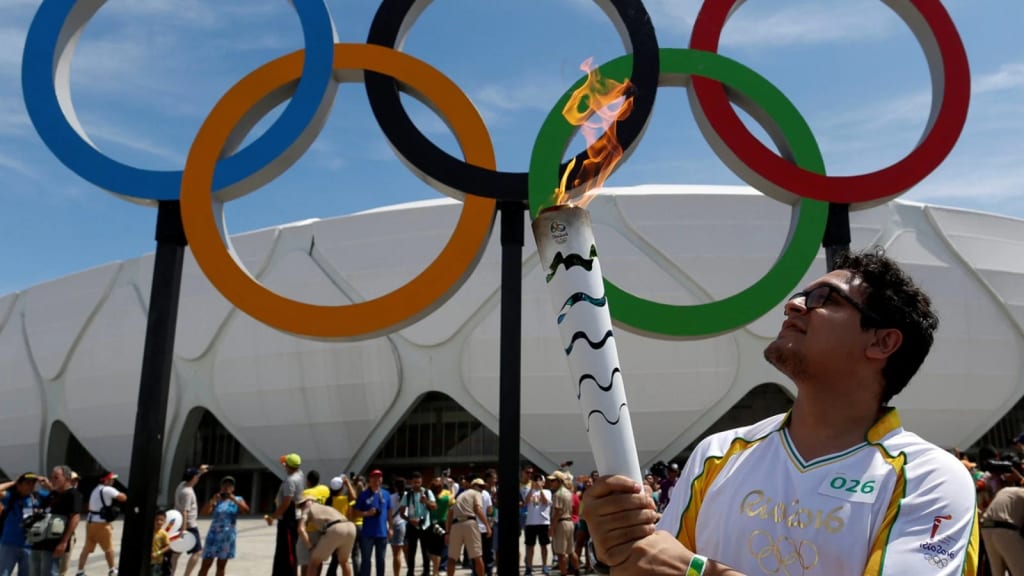
The Olympic Games are one of the most prestigious international sporting events, attracting millions of visitors, global media attention, and significant economic investment. While the Olympics are generally associated with sporting excellence and national pride, they also have a profound impact on local businesses. These effects can be both positive and negative, depending on various factors such as the host city’s preparedness, the type of business, and the economic policies in place. This essay explores the effects of the Olympics on local businesses, focusing on both the short-term and long-term impacts.
Short-term Economic Benefits
One of the most immediate and visible impacts of the Olympics on local businesses is the influx of visitors. With thousands of athletes, spectators, and journalists descending on the host city, there is a significant increase in demand for goods and services. Local businesses, particularly in sectors such as hospitality, retail, transportation, and food and beverage, tend to see a boost in revenue.
Hospitality Sector: Hotels, hostels, and guest houses experience an enormous surge in bookings. The demand for accommodation spikes as visitors travel to the host city to witness the Games. Hotels often raise prices due to the influx of tourists, and some even offer special Olympic packages to cater to the high demand. Local businesses such as tourism agencies also benefit by offering Olympic-themed tours and activities to tourists.
Retail and Food: Retail businesses, especially those selling Olympic memorabilia, see a rise in sales. Souvenirs, branded merchandise, and sporting goods are in high demand during the Games. Likewise, food and beverage establishments, including restaurants, cafes, and street food vendors, experience an increase in foot traffic as athletes, visitors, and locals alike seek places to eat. For local food suppliers, the Olympics offer an opportunity to expand their customer base and increase sales by meeting the heightened demand.
Transportation and Logistics: Local transportation services, including taxis, buses, and ride-sharing companies, often see a sharp rise in business as people travel to and from Olympic venues. Additionally, event organizers often invest heavily in infrastructure development, improving public transport systems and roads, which can provide a long-term benefit to the transport sector even after the Games conclude.
Long-term Economic Impact
While the Olympics generate a burst of economic activity in the short term, the long-term effects on local businesses are less clear-cut. Some businesses benefit from the increased global exposure of the host city, while others may face challenges due to the costs associated with hosting the event.
Urban Regeneration and Infrastructure: Hosting the Olympics often leads to the development of new infrastructure, including sports facilities, transportation networks, and public spaces. For local businesses, these improvements can provide long-term economic benefits by enhancing the city’s appeal and improving accessibility. For example, the construction of new metro lines and roads can make it easier for people to access commercial areas, boosting foot traffic for local businesses. In some cases, the development of the Olympic Park or sports venues can also be repurposed for other events, providing ongoing revenue streams for local businesses.
Branding and Global Exposure: The Olympics offer host cities unparalleled global exposure. As millions of people tune in from around the world, local businesses can benefit from the enhanced visibility. For example, local fashion brands, artisanal products, and culinary establishments can attract international attention, leading to new markets and customers. Some businesses even leverage the Olympic branding by creating limited-edition products or services, further capitalizing on the global spotlight.
Sustainability and Regeneration: Many host cities are increasingly focused on sustainable business practices and environmental considerations when planning their Olympic venues and infrastructure. Local businesses that align with sustainability goals may experience long-term growth opportunities as they cater to the evolving preferences of environmentally-conscious consumers. This could include businesses in sectors such as green technology, sustainable tourism, and eco-friendly construction.
Challenges for Local Businesses
Despite the numerous opportunities, local businesses also face several challenges in the lead-up to and during the Olympics. The costs of hosting the Games are enormous, and many local businesses must contend with rising rents, increased competition, and regulatory challenges.
Rising Costs and Gentrification: The development of Olympic infrastructure often results in the displacement of local businesses and residents, particularly in low-income areas. Property prices and rents can soar, forcing some small, local businesses to close or relocate. This process, known as gentrification, may lead to a loss of the authentic local character that made the area appealing in the first place. Small businesses may struggle to compete with larger international chains and sponsors who have more financial resources.
Overcrowding and Disruption: While tourism benefits local businesses, it can also lead to overcrowding, traffic congestion, and service disruptions. Small businesses in areas close to Olympic venues may face difficulties in providing regular services due to the influx of tourists, which could deter local customers. Additionally, certain businesses that rely on regular local clientele may suffer from disruption as the city shifts into an "Olympic mode."
Post-Olympics Decline: After the Games, the influx of visitors and the associated economic activity typically decrease. This can lead to a decline in business activity, particularly for businesses that catered mainly to Olympic tourists. Without sustained investment and a well-developed post-Olympic strategy, the benefits of the Games may not last.
End
The Olympics have a significant impact on local businesses, providing both short-term economic boons and long-term opportunities, along with potential challenges. While businesses in the hospitality, retail, and transportation sectors enjoy a surge in demand during the event, others may face difficulties due to rising costs and the effects of gentrification. The long-term benefits of hosting the Olympics can include improved infrastructure, increased global exposure, and opportunities for urban regeneration. However, it is crucial for host cities to plan effectively for both the immediate influx of visitors and the post-Olympic period to ensure that local businesses can continue to thrive beyond the Games.
About the Creator
Badhan Sen
Myself Badhan, I am a professional writer.I like to share some stories with my friends.
Keep reading
More stories from Badhan Sen and writers in Gamers and other communities.
THE LEGACY OF THE1960 ROME OLYMPICS ON ITALIAN ARCHITECTURE
The 1960 Rome Olympics (officially known as the Games of the XVII Olympiad) were a landmark event in both the history of the Olympic Games and the architectural development of Italy. Held from August 25 to September 11, 1960, the Rome Olympics marked Italy’s post-World War II recovery and was a key moment in the country’s cultural and urban transformation. The Games left a lasting legacy on Italian architecture, influencing the development of modernist design and urban planning in Rome and beyond.
By Badhan Senabout a year ago in Gamers
How Streaming and Esports Changed Gaming Forever—For Better or Worse
Gaming has never been just about pressing buttons. It has always been about challenge, imagination, and escape. But in the last decade, gaming has gone through its biggest transformation yet. Thanks to streaming platforms and the rise of esports, games are no longer only played—they are performed, watched, monetized, and judged in real time.
By Games Mode On2 days ago in Gamers



Comments
There are no comments for this story
Be the first to respond and start the conversation.