
THE ENVIRONMENTAL IMPACT OF HOSTING THE OLYMPIC GAMES
Challenges and Sustainable Solutions for the Future.


The Environmental Impact of Hosting the Olympic Games
Hosting the Olympic Games is often seen as an opportunity for a city or country to showcase its culture, infrastructure, and sporting capabilities to the world. However, this grand event also comes with significant environmental consequences. As the scale and grandeur of the Games have increased over the years, so too has the environmental impact, affecting the natural surroundings, ecosystems, and overall sustainability of the host cities. Understanding the environmental costs associated with the Olympic Games is crucial as the world continues to grapple with climate change and the environmental challenges it poses.
The Construction of Venues
One of the most immediate and visible environmental impacts of the Olympics is the construction of infrastructure. Host cities typically invest heavily in the development of stadiums, sports facilities, and accommodation for athletes and spectators. These developments require vast amounts of resources, including construction materials, energy, and labor, often resulting in the destruction of natural habitats and ecosystems.
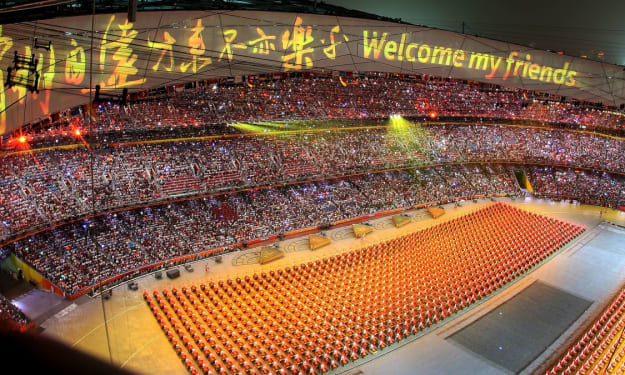
For example, in the lead-up to the 2008 Beijing Olympics, large-scale construction projects were undertaken to build the iconic Bird's Nest stadium and other key venues. Similarly, the 2016 Rio Olympics saw the construction of new sports facilities that were built on previously undeveloped land, disrupting local wildlife. The environmental toll of such projects, particularly in terms of land use change and ecosystem disruption, cannot be underestimated.
Additionally, these massive construction projects contribute significantly to greenhouse gas emissions due to the energy consumed during the building process, as well as the carbon footprint of the materials used. The cement industry alone, a major contributor to construction, is responsible for nearly 8% of global carbon emissions.
Waste Management and Pollution
The influx of thousands of spectators, athletes, and media personnel during the Olympic Games results in a significant amount of waste. Cities hosting the Games face challenges related to waste management, particularly regarding the disposal of plastic, food packaging, and other single-use items. While measures are often taken to improve recycling and waste management systems, the sheer volume of waste generated remains a concern.
Moreover, the Olympics often lead to an increase in air and water pollution. The transportation of goods and people, particularly by planes, trains, and buses, increases the emissions of harmful pollutants such as nitrogen oxide and particulate matter. The construction of infrastructure also contributes to soil erosion, water contamination, and disturbances to local water sources, as was the case in previous Olympics. In Rio, water pollution in Guanabara Bay became a significant issue during the Games, with sewage and waste affecting both the environment and the athletes' performance during sailing events.
Energy Consumption
Energy consumption is another major environmental consideration for Olympic Games. The need for electricity to power stadiums, arenas, and accommodation during the Games places an immense demand on local power grids. While host cities may attempt to use renewable energy sources to mitigate the impact, the overall energy consumption often skyrockets during the Games.
For instance, during the 2000 Sydney Olympics, the city had to increase its energy production by 10%, relying heavily on fossil fuels, leading to a significant rise in carbon emissions. Although some host cities, such as London 2012, made efforts to reduce their carbon footprint by utilizing sustainable energy sources and promoting energy-efficient buildings, the overall environmental impact of the event cannot be ignored.
Transportation and Carbon Footprint
With the movement of millions of people to and from the Games, transportation is one of the most significant contributors to the Olympic Games' carbon footprint. The transport of athletes, media, officials, and spectators involves air travel, buses, taxis, trains, and cars, all of which result in carbon emissions. In particular, the flights taken by international travelers represent a large portion of the event’s overall carbon footprint.
In addition, the need for improved transportation infrastructure and the construction of new roads, highways, and rail systems can significantly alter the surrounding environment. While the legacy of new infrastructure may provide long-term benefits for the city, it often comes at the expense of natural landscapes.
Measures Toward Sustainability
In recent years, the International Olympic Committee (IOC) has taken steps to address these environmental concerns. The 2016 Rio Olympics, for example, made efforts to mitigate the environmental impact through various sustainable practices, such as using renewable energy sources, reducing waste, and promoting green architecture. However, despite these efforts, the environmental costs remain significant.
One of the most ambitious sustainability projects was seen in the London 2012 Olympics, which were heralded as the "greenest Games ever." These Games focused on sustainable construction practices, including the use of recycled materials and energy-efficient technologies. The London Olympic Park itself was also designed with a focus on sustainability, integrating green spaces, reducing emissions, and conserving water. The legacy of this approach has been beneficial for London, with the development of East London serving as an example of how Olympic development can contribute to urban regeneration.
The Future of Sustainable Olympics
As the world continues to face environmental challenges, future Olympic Games are increasingly focused on minimizing their environmental impact. For instance, the 2020 Tokyo Olympics (held in 2021 due to the pandemic) made strides in sustainability, using recycled materials to construct medals and the Olympic torch, as well as implementing energy-efficient technologies in the venues. Paris 2024 is also positioning itself as an environmentally conscious Games, with a focus on sustainability, including the use of existing venues and public transport infrastructure to reduce construction waste and emissions.
The IOC’s sustainability goals now prioritize reducing the environmental footprint of the Games, supporting the use of renewable energy, and encouraging host cities to adopt greener practices. The future of the Olympics lies in embracing more sustainable approaches, including reducing emissions, reusing existing infrastructure, and promoting green technologies, to ensure that the Games leave a positive legacy for both athletes and the planet.
Conclusion
The environmental impact of hosting the Olympic Games is undeniable, with significant consequences for land use, pollution, energy consumption, and carbon emissions. However, there is hope that, through continued innovation and a commitment to sustainability, the Games can evolve into a more environmentally responsible event. As the IOC and host cities work together to mitigate the impact of the Olympics, the focus must shift toward long-term environmental stewardship, ensuring that the Games leave behind a legacy of positive change for both sport and the planet.
About the Creator
Badhan Sen
Myself Badhan, I am a professional writer.I like to share some stories with my friends.
Keep reading
More stories from Badhan Sen and writers in Gamers and other communities.
THE CONTROVERSY AROUND THE 2008 BEIJING OLYMPICS
The Controversy Around the 2008 Beijing Olympics The 2008 Beijing Olympics, held from August 8 to August 24, were a monumental event for China. They marked the first time the country hosted the Summer Olympics, showcasing its growing influence on the global stage. However, despite the grand spectacle and impressive infrastructure, the Games were not without controversy. Several issues, ranging from human rights concerns to environmental impact, sparked debates both before and during the event. This article explores the various controversies surrounding the 2008 Beijing Olympics.
By Badhan Senabout a year ago in Gamers
10 Things Cloud Computing Solutions Simplify Server Control
Managing physical servers often feels like a never-ending battle against tangled wires and heat. You spend hours monitoring blinking lights in a cold room. Traditional setups demand constant attention and manual updates. Cloud computing solutions change this entire dynamic for modern businesses. It moves your digital assets to a flexible virtual space. This shift grants you total authority without the physical burden. The cloud transforms complex technical chores into simple clicks. It allows you to focus on growth rather than hardware maintenance.
By Arthur Leo5 days ago in Gamers



Comments (1)
Good work for there is a lot to consider in hosting these games socially, religiously, economically, educationally and even politically.