
THE CONTROVERSY OVER THE 2020 TOKYO OLYMPIC AMIDST THE PANDEMIC
Debate Over the 2020 Tokyo Olympics:Balancing Public Health Concerns and the Spirit of Global Sports.

The 2020 Summer Olympics, which were scheduled to take place in Tokyo from July 24 to August 9, 2020, became a symbol of resilience but also one of the most controversial events in recent sports history. Originally planned as a grand celebration of global unity and athleticism, the Tokyo Games were overshadowed by the unprecedented global health crisis of the COVID-19 pandemic. The controversy surrounding the event stemmed from the decision to delay the Games, the challenges of hosting a major sporting event during a pandemic, and the mixed reactions from athletes, officials, and the public.
(I)The Pandemic's Impact and Initial Response
As the COVID-19 pandemic began to spread worldwide in early 2020, it quickly became clear that holding the Olympics in its original form would not be feasible. The International Olympic Committee (IOC), the Tokyo Organizing Committee, and the Japanese government initially maintained that the Games would proceed as scheduled, albeit with necessary health measures.
On March 24, 2020, the IOC made the historic decision to postpone the Tokyo Olympics by one year, marking the first time in the history of the modern Olympics that an event had been delayed. The new dates were set for July 23 to August 8, 2021. This decision was made to prioritize the health and safety of the athletes, officials, and spectators, as the pandemic showed no signs of slowing down. Although the postponement was widely supported as the only responsible option, it sparked an array of concerns regarding the future of the Games.
(II)The Rising Controversy
As the 2021 Games approached, the controversy surrounding the Olympics continued to escalate. Japan, like many other countries, faced fluctuating waves of COVID-19 cases, and by mid-2021, the country was still grappling with the virus. Tokyo, in particular, was under a state of emergency, with cases rising in the lead-up to the Games. Public opposition to holding the event surged, as many Japanese citizens feared that the influx of athletes, officials, and media would contribute to the spread of the virus.
A poll conducted in June 2021 revealed that nearly 60% of Japanese citizens were opposed to the Games being held. Critics argued that the government and the IOC were prioritizing the Olympics over public health, which led to widespread protests. There were concerns about the burden on Japan's healthcare system, which was already under strain due to the pandemic. Moreover, the government's push to go ahead with the Games despite these fears created a sense of mistrust and anger among the public.
The situation was further complicated by the absence of international spectators. Originally, the Olympics had been expected to bring in millions of tourists from around the world, but with the continuing spread of COVID-19, the Japanese government decided to ban all foreign spectators. This left the Games to be held in empty stadiums, drastically altering the atmosphere of the event. While the Games were held in a “bubble” with strict protocols to keep athletes and officials safe, the absence of fans robbed the event of much of its grandeur and excitement.
(III)The Athlete's Dilemma
The athletes themselves were placed in a difficult position. On one hand, they had spent years preparing for the Olympics, and for many, this could be a once-in-a-lifetime opportunity. On the other hand, the risks of competing in a pandemic were significant. Many athletes expressed concerns about their safety and the mental and emotional toll of competing under such uncertain circumstances.
Some athletes, such as U.S. gymnast Simone Biles and tennis player Naomi Osaka, publicly struggled with the pressure and stress of performing in the midst of a global crisis. Osaka withdrew from the tournament, citing mental health concerns, while Biles faced criticism for stepping back from several events to focus on her well-being. These incidents highlighted the increasing importance of mental health in sports and sparked important discussions about the psychological challenges athletes face during high-stress events.
Despite these concerns, many athletes chose to proceed with the Games, understanding the opportunity to represent their countries on the world stage. The athletes' resilience and determination were lauded, as they continued to compete under unusual and difficult circumstances.
(IV)Economic Considerations and the IOC's Role
The economic implications of postponing the Tokyo Olympics were also a key point of contention. The IOC and the Japanese government had already invested billions of dollars in preparing for the Games, including infrastructure, marketing, and logistics. Delaying the event by a year increased the costs and required rethinking sponsorships, broadcasting rights, and logistics. Despite these challenges, the IOC remained committed to hosting the Games in 2021, citing the potential financial losses from canceling the event altogether.
For the Japanese government, the Olympics were seen as a potential economic boon that would provide a much-needed boost to tourism and the local economy. However, with the absence of international visitors and the strict health measures in place, the Games did not deliver the economic benefits that were originally anticipated.
In The End
The 2020 Tokyo Olympics were a testament to human perseverance in the face of adversity. While the event successfully went ahead in 2021, it was marred by controversy and faced challenges that were unprecedented in Olympic history. From concerns over public health and safety to economic considerations and the emotional toll on athletes, the Games were a reflection of the global struggle against COVID-19. Although the Olympics concluded with impressive athletic achievements and powerful moments of unity, the controversies surrounding the event will likely remain a point of discussion for years to come. The legacy of the Tokyo 2020 Games will not only be remembered for the athletic feats but also for the lessons learned about the complexities of organizing global events in a pandemic-stricken world.
About the Creator
Badhan Sen
Myself Badhan, I am a professional writer.I like to share some stories with my friends.
Keep reading
More stories from Badhan Sen and writers in Gamers and other communities.
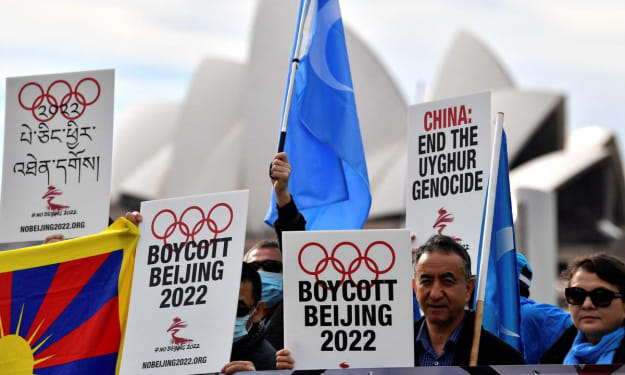
HOW THE 2022 BEIJING WINTER OLYMPICS HANDLED POLITICAL PROTESTS
The 2022 Beijing Winter Olympics, held from February 4 to 20, 2022, were marked by heightened international scrutiny, particularly due to the political climate surrounding China’s human rights record and the geopolitical tensions that preceded the Games. Despite being a global sporting event meant to celebrate unity and international cooperation, the Olympics became a focal point for political protests and calls for accountability.
By Badhan Senabout a year ago in Gamers
Palworld Arena Tier List 2026: Best Teams for Master Rank PvP
The Palworld Arena has undergone a massive shift since the Sakurajima update and the subsequent "Tides of Terraria" expansion. We are no longer in the early days of simple elemental counters where a high-level Jetragon could carry you through every encounter.
By Richard Baileyabout 11 hours ago in Gamers



Comments (1)
It was eerie watching these Olympic games for being that there was no real audience there to watch them and even on tv seeing a lot of empty seats in the stands at any of the events. Great historical article.