
THE CONTROVERSY AROUND THE INCLUSION OF RUGBY SEVENS IN THE OLYMPICS
Debating the Place of Rugby Sevens in the Olympic Games.


The inclusion of Rugby Sevens in the Olympics has sparked extensive debate and controversy since its debut at the 2016 Rio Games. While the sport’s proponents celebrate its addition as a reflection of rugby’s growing global popularity and its fast-paced, viewer-friendly format, critics have raised concerns about its compatibility with the Olympics’ ethos, logistical challenges, and its impact on traditional Olympic sports. This essay explores the key aspects of the controversy surrounding Rugby Sevens in the Olympic Games.
A Triumph for Rugby Sevens Proponents
The decision to include Rugby Sevens in the Olympics marked a major milestone for the sport and its global governing body, World Rugby. Rugby Sevens, a faster and shorter variation of traditional rugby, features seven players per side and is played over two seven-minute halves. This format makes it more dynamic, spectator-friendly, and suitable for television audiences, aligning well with the International Olympic Committee’s (IOC) efforts to modernize the Games and attract younger viewers.
For rugby’s stakeholders, the Olympics provided a platform to showcase the sport to a global audience. Countries with limited rugby traditions, such as Japan and Fiji, benefitted significantly. Fiji’s historic gold medal victory in the men’s tournament at the 2016 Rio Olympics not only elevated the nation’s global profile but also demonstrated the potential of Rugby Sevens to resonate beyond traditional rugby powerhouses. Moreover, the inclusion of women’s Rugby Sevens has contributed to advancing gender equality in sports, as female athletes were afforded the same opportunity to compete on a global stage.
Compatibility with the Olympic Ethos
Despite these benefits, critics question whether Rugby Sevens aligns with the Olympic ethos of inclusivity and universality. Rugby has traditionally been dominated by a handful of nations, including New Zealand, South Africa, England, and Australia, raising concerns about competitive balance and the extent to which Rugby Sevens can genuinely engage diverse Nations.
Additionally, some argue that the Olympics should prioritize sports that are not already well-represented in other major international events. Rugby already enjoys prominence in standalone tournaments like the Rugby World Cup and the HSBC World Rugby Sevens Series. Critics claim that its inclusion in the Olympics risks overshadowing lesser-known sports that rely more heavily on the Games for exposure and growth.
Logistical and Scheduling Challenges
The inclusion of Rugby Sevens has also introduced logistical challenges. Organizing an entirely new tournament requires additional venues, infrastructure, and resources, which can strain host cities. The compact nature of Rugby Sevens tournaments—with multiple matches played in rapid succession—necessitates careful scheduling to avoid overlap with other sports and maintain spectator interest. Balancing these demands with the already packed Olympic schedule has proven to be a significant challenge.
Moreover, the sport’s physical intensity has raised concerns about athlete welfare. Rugby Sevens demands high levels of fitness and endurance, with players often required to compete in multiple matches over a short period. Critics argue that this grueling format could lead to injuries and burnout, particularly when paired with the pressure of competing on the Olympic stage.
Impact on Traditional Olympic Sports
Another contentious issue is the potential displacement of traditional Olympic sports. The IOC’s push to modernize the Games by introducing sports like Rugby Sevens, skateboarding, and surfing has led to the exclusion or marginalization of other disciplines. Wrestling, a foundational Olympic sport dating back to ancient Greece, narrowly avoided being dropped from the 2020 Tokyo Olympics. Such decisions have sparked debates about the Olympic identity and the balance between honoring tradition and embracing innovation.
Critics of Rugby Sevens argue that its inclusion reflects a broader trend of prioritizing commercial appeal over the Games’ original purpose of fostering global unity and celebrating athletic excellence across a diverse range of disciplines. By focusing on sports with high entertainment value, the IOC risks alienating traditionalists and undermining the historical significance of the Olympics.
Future Prospects and Challenges
Despite the controversies, Rugby Sevens has undeniably brought new energy to the Olympics. Its high-speed, action-packed matches have captivated audiences and introduced rugby to new demographics. However, sustaining this momentum will require addressing some of the concerns raised by critics.
One potential solution is to limit the number of teams participating in the Rugby Sevens tournament to reduce logistical pressures and ensure competitive balance. Alternatively, the IOC could rotate the inclusion of certain sports to provide equal opportunities for emerging disciplines and traditional events. Ensuring that Rugby Sevens continues to contribute positively to the Olympics without overshadowing other sports will be key to its long-term success.
Additionally, the sport’s stakeholders must continue efforts to promote inclusivity and expand rugby’s reach to underrepresented regions. Initiatives to develop grassroots programs and provide support for emerging rugby nations could help address concerns about competitive imbalance and enhance the sport’s global appeal.
In The End
The inclusion of Rugby Sevens in the Olympics represents a significant evolution for both the sport and the Games. While its dynamic format and global appeal have earned widespread praise, the controversies surrounding its compatibility with the Olympic ethos, logistical challenges, and impact on traditional sports highlight the complexities of modernizing the Olympics. As Rugby Sevens continues to carve out its place in the Olympic movement, striking a balance between innovation and tradition will be essential to ensuring its contribution aligns with the broader goals of the Games. Ultimately, the ongoing dialogue around Rugby Sevens serves as a reminder of the evolving nature of the Olympics and the need to adapt while preserving its core values.
About the Creator
Badhan Sen
Myself Badhan, I am a professional writer.I like to share some stories with my friends.
Keep reading
More stories from Badhan Sen and writers in Gamers and other communities.
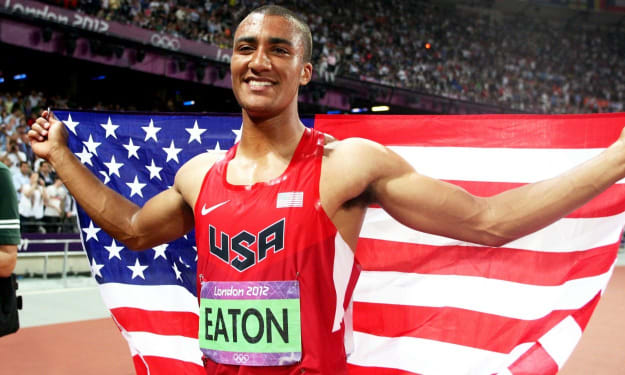
THE TRANSFORMATION OF THE OLYMPIC DECATHLON OVER TIME
The decathlon, a cornerstone of the Olympic Games, is a grueling test of athletic prowess that has evolved significantly since its inception. Combining ten diverse events—ranging from sprints and jumps to throws and distance running—the decathlon has long been celebrated as the ultimate measure of an athlete’s versatility and endurance. However, the nature of the competition, its athletes, and its cultural significance have undergone substantial changes over time, reflecting broader shifts in sports and society.
By Badhan Senabout a year ago in Gamers
Rsvsr How Daily Events and Golden Blitz Help You Progress Faster in Monopoly GO!
At first glance, Monopoly GO! looks like a simple roll-and-move game, but anyone who has played for a while knows there’s much more going on under the surface. Daily events are what turn routine gameplay into something strategic and rewarding. Instead of logging in just to roll dice, players who pay attention to events often progress faster and enjoy the game more overall.
By Billo Nali5 days ago in Gamers
How, Too
Many people wonder how, too. You are not alone, and I am an expert. I will teach you how, too! First, you need to remit a small application fee and fill out an application describing the nature of your financial situation and how often payments will be made, as this will have great bearing on how well I teach you how, too.
By Harper Lewis3 days ago in Fiction



Comments
There are no comments for this story
Be the first to respond and start the conversation.