
THE ARTISTIC INFLUENCE OF THE OLYMPIC GAMES ON GLOBAL ARTS AND CULTURE
The Impact of the Olympic Games on Shaping Global Artistic Expression and Cultural Identify

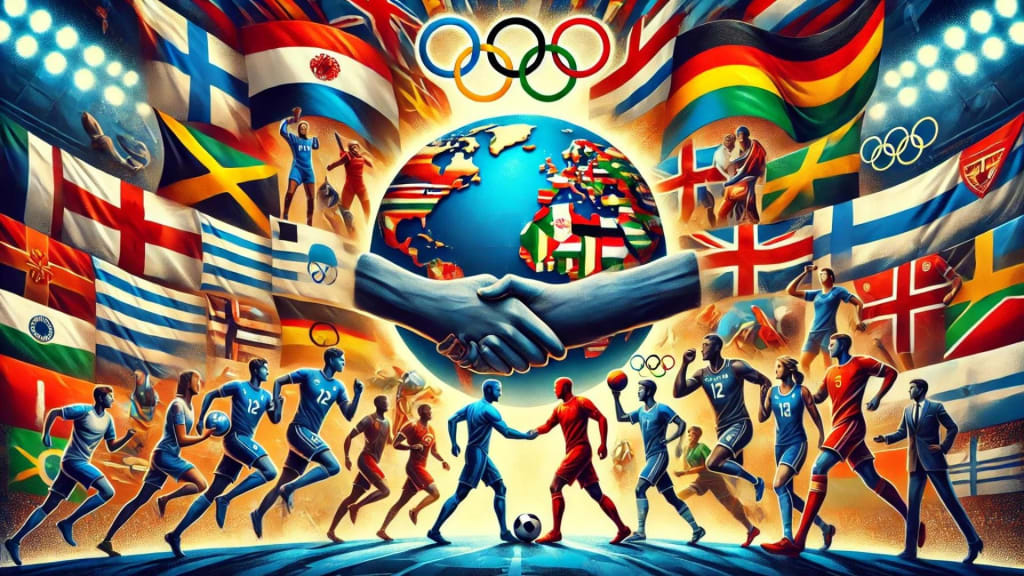
The Olympic Games, originating in ancient Greece, are one of the world’s most celebrated sporting events. However, their influence extends beyond the realm of athletics, significantly shaping global arts and culture. From its early inclusion of artistic competitions in the Games to the present-day integration of art and culture in the Olympic opening ceremonies and legacy, the Olympic Games have inspired artistic expressions, fostered cultural exchange, and acted as a platform for international collaboration.
The Early Integration of Arts in the Olympic Games
The Olympic Games, in their modern form, were established in 1896 by Pierre de Coubertin. While initially focusing on athletic competition, the inclusion of artistic elements became prominent in the Games as early as the 1912 Stockholm Olympics. These early Games introduced artistic competitions, with events like architecture, painting, sculpture, literature, and music. These competitions were held alongside sporting events, illustrating the harmony between physical prowess and artistic achievement.
The Olympic Art Competitions continued until 1948 when they were discontinued due to changing perceptions about the nature of art and the Olympics. Despite this, the idea of integrating art and culture with the Olympics persisted and has continued to shape how the Games are presented and perceived globally.
The Role of the Olympic Opening and Closing Ceremonies
One of the most visible and influential artistic aspects of the Olympics today is the opening and closing ceremonies. These ceremonies are not just an introduction to the games but are highly choreographed performances that blend dance, music, theater, visual arts, and technology. They serve as a celebration of the host country’s culture while providing a global stage for artists to showcase their talents. The Olympics offer a unique platform where art, culture, and entertainment converge, creating performances that transcend national boundaries and speak to a universal audience.
The opening ceremonies are particularly renowned for their grandeur and creativity. For example, the 2008 Beijing Olympics featured a mesmerizing spectacle of lights, technology, and ancient Chinese culture, creating a powerful visual narrative of China’s history, culture, and aspirations. Similarly, the 2012 London Olympics embraced British history and culture with a performance that included references to everything from Shakespeare to the Beatles, celebrating British contributions to global art and culture.
Through these performances, the Olympic Games highlight the importance of art and culture in shaping national identities and showcasing them on a world stage. Moreover, these ceremonies offer a rare opportunity for artists from different countries to collaborate, share their creative visions, and express the collective spirit of humanity.
Artistic Collaborations and Cultural Exchange
The Olympics are a meeting point for people from all corners of the world. This convergence of cultures is reflected not only in the sporting competitions but also in the arts. Every four years, the host city becomes a cultural hub, inviting artists, musicians, dancers, and performers to share their work with an international audience. This facilitates a deep cultural exchange, fostering greater understanding and appreciation between different peoples.
The Tokyo 2020 Olympics, delayed and held in 2021 due to the COVID-19 pandemic, was an excellent example of how global collaboration in the arts can transcend physical and logistical challenges. The Games featured an innovative approach to art, blending Japanese traditional culture with contemporary influences. Music, dance, and digital art were presented in ways that embraced Japan’s rich cultural heritage while also integrating modern technological elements, representing the global fusion of tradition and innovation.
Moreover, the Games provide an opportunity for international artists to perform and exhibit their work, whether through visual art displays, musical performances, or theater productions. The Olympics thus act as a vehicle for cultural diplomacy, bridging cultural gaps and promoting global cooperation.
Olympic Legacies and the Promotion of the Arts
Beyond the immediate effects of the Games, the Olympics leave lasting cultural legacies in the host cities and countries. The architecture of Olympic venues, such as the Sydney Opera House (host of the 2000 Games) or the Bird’s Nest Stadium in Beijing, becomes a part of the cultural fabric of the host country, influencing the future of design and artistic innovation.
Additionally, many Olympic host cities use the Games as a springboard to invest in cultural infrastructure, including museums, galleries, and performing arts venues. For instance, the London 2012 Olympics left a legacy of cultural projects aimed at enhancing the city’s arts scene, including the creation of the Olympic Park, which continues to host cultural and artistic events.
The Games also encourage local and international artists to engage in public art installations and exhibitions. These activities not only beautify the city but also create opportunities for local talent to be recognized on a global stage.
The Olympics as a Catalyst for Global Artistic Movements
Finally, the Olympics serve as a catalyst for broader artistic movements. Artists, performers, and creators often draw inspiration from the Games, using the event as a platform for commentary on social, political, or cultural issues. The 1972 Munich Olympics and the 1968 Mexico City Olympics were notable for the ways in which athletes and artists used the Games to highlight issues such as racial inequality, political protest, and human rights.
The Olympics also inspire artistic movements that reflect the spirit of the Games, such as the creation of murals, street art, and performances that celebrate the shared human experience of competition, cooperation, and unity.
End
The Olympic Games have always been more than just a sporting event. From the early integration of art competitions to the elaborate ceremonies and the lasting legacies of Olympic host cities, the Games have played a pivotal role in shaping global arts and culture. They provide a unique platform for cultural exchange, artistic collaboration, and global artistic movements, inspiring creativity, unity, and understanding on a scale unmatched by other events. As the Olympics continue to evolve, their influence on the world of arts and culture will undoubtedly remain significant.
About the Creator
Badhan Sen
Myself Badhan, I am a professional writer.I like to share some stories with my friends.
Keep reading
More stories from Badhan Sen and writers in Gamers and other communities.
THE IMPORTANCE OF CULTURAL REPRESENTATION IN THE OLYMPIC OPENING
The Olympics is one of the most significant global events, bringing together athletes from all corners of the world to compete and showcase their talents. However, beyond the athletic feats, the Opening Ceremony of the Olympic Games serves as a cultural celebration, marking the beginning of the international gathering. It is a moment where the world witnesses an intricate display of culture, tradition, and identity. The importance of cultural representation in the Olympics Opening Ceremony cannot be overstated, as it fosters unity, promotes cultural exchange, and celebrates diversity, making the event not just a sporting competition, but a global celebration of humanity.
By Badhan Senabout a year ago in Gamers
How Fortnite Became More Than Just a Game
When Fortnite launched in 2017, it was widely seen as just another multiplayer video game. Nearly a decade later, that view no longer fits reality. Fortnite has grown into a global digital platform that blends gaming, creativity, entertainment, and social interaction. This transformation did not happen overnight, and it did not rely on hype alone. Instead, it was driven by consistent innovation, community involvement, and a shift in how people use online spaces.
By Games Mode On2 days ago in Gamers
Arc Raiders Review: Pure Multiplayer Experience
Arc Raiders is designed around clarity, pressure, and cooperation. Instead of overwhelming players with layers of systems, it strips the multiplayer shooter down to its essentials and rebuilds tension from the ground up. Developed by Embark Studios, the game positions teamwork and survival above spectacle. For players curious about how closely they align with this design philosophy, the Arc Raiders purity test has become a popular way to measure commitment within the community.
By Enzo Marcelli6 days ago in Gamers




Comments (1)
This would make a great lecture as part of a Humanities Survey course dealing with art and music.