
THE IMPORTANCE OF CULTURAL REPRESENTATION IN THE OLYMPIC OPENING
The Importance of Cultural Representation in the Olympics Opening:Celebrating Diversity and Unity on the Global Stage.

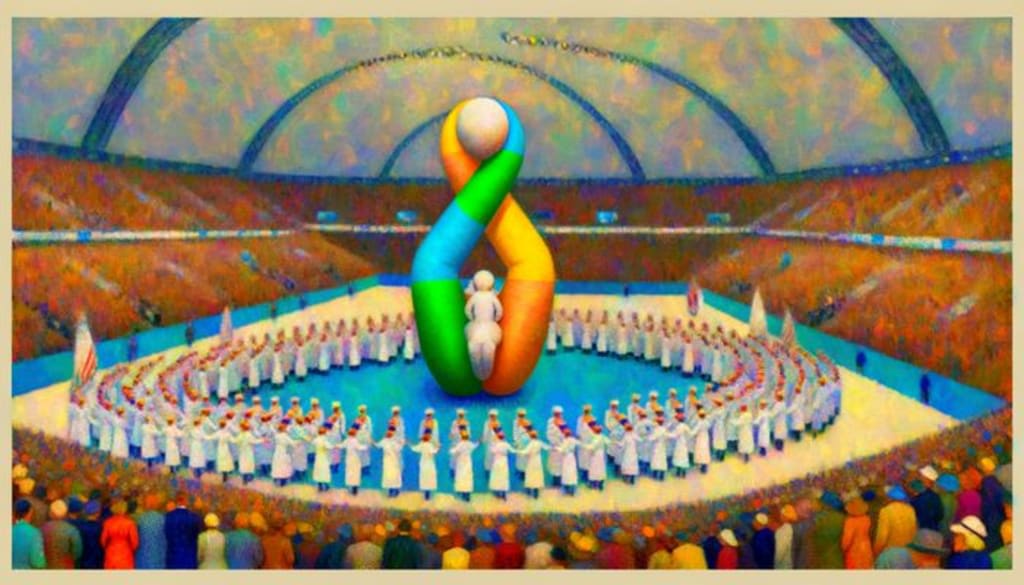
The Olympics is one of the most significant global events, bringing together athletes from all corners of the world to compete and showcase their talents. However, beyond the athletic feats, the Opening Ceremony of the Olympic Games serves as a cultural celebration, marking the beginning of the international gathering. It is a moment where the world witnesses an intricate display of culture, tradition, and identity. The importance of cultural representation in the Olympics Opening Ceremony cannot be overstated, as it fosters unity, promotes cultural exchange, and celebrates diversity, making the event not just a sporting competition, but a global celebration of humanity.
(I)Fostering Global Unity
The Olympics Opening Ceremony is a unique platform where nations, despite their differences, come together to celebrate peace and cooperation through the spirit of sport. One of the central aspects of the Opening Ceremony is the parade of nations, where athletes march in groups according to their countries. Each nation, regardless of its size or political influence, has the chance to present its culture and identity on the world stage.
When countries showcase their traditions, dances, clothing, and music, it sends a message of unity. It emphasizes that, although we come from different backgrounds, we are all part of the same global community. The inclusion of diverse cultural elements in the ceremony promotes mutual respect, understanding, and tolerance, allowing spectators to appreciate the rich tapestry of the world’s cultures. For example, when the athletes of countries like Brazil, Japan, and South Africa showcase their native dances and traditional attire, it promotes a sense of solidarity among people from all walks of life, transcending geographic and political boundaries.
(II)Promoting Cultural Exchange
The Olympic Games are not only a platform for sports but also for cultural exchange. The Opening Ceremony acts as a powerful vehicle for this exchange. As each country presents its culture in unique and artistic ways, it offers an opportunity for global citizens to experience customs, languages, and rituals that may be unfamiliar to them. This exposure helps people develop an appreciation for cultures outside their own, fostering a sense of curiosity and open-mindedness.
Take, for instance, the 2008 Beijing Olympics, which offered a spectacular display of Chinese culture, from the dragon dances to the traditional Chinese calligraphy. In contrast, the 2016 Rio Olympics displayed Brazil's samba and Carnival traditions. These ceremonies provided an immersive cultural experience for millions of viewers, allowing them to learn about and celebrate the cultural practices of these countries in ways they might not have otherwise encountered. Such exchanges are not limited to spectators; athletes too, from different parts of the world, gain a deeper understanding of the cultures of their fellow competitors.
(III) Celebrating Diversity and Identity
One of the most powerful messages of the Olympics Opening Ceremony is the celebration of diversity. In a world that is often divided by differences in race, religion, language, and geography, the Olympics provides a moment where these distinctions are not only acknowledged but celebrated. The cultural performances during the opening event highlight the uniqueness of each nation and its people, reinforcing the importance of cultural identity.
Countries take pride in showcasing their cultural heritage, whether it be through music, dance, folklore, or art. For example, during the 2012 London Olympics, the ceremony featured a range of cultural icons, from the Beatles to the traditional English countryside, offering a visual celebration of British identity. Similarly, the 2020 Tokyo Olympics opening ceremony presented elements of Japanese culture, from the country's traditional art forms to its technological advancements, highlighting Japan’s deep-rooted respect for tradition while embracing modernity. This recognition and appreciation of cultural identities strengthen the bond among nations, as it promotes inclusivity, respect, and a broader understanding of what it means to be human.
(IV)Raising Awareness of Social Issues
Cultural representation in the Olympics Opening Ceremony can also be a tool for raising awareness about global social issues. Many past ceremonies have used their platform to bring attention to topics such as climate change, racial equality, and human rights. For example, the 2016 Rio Olympics featured powerful segments that highlighted the issues of poverty and social inequality in Brazil, especially focusing on the plight of the indigenous communities. These portrayals provided a way for the global audience to reflect on the challenges facing host nations and the world at large.
By integrating messages about important social causes within cultural representations, the Olympics Opening Ceremony serves as a reminder that culture is not just about traditions but also about addressing current issues that affect millions of people worldwide. It becomes a call to action for global citizens to think critically about the world they inhabit.
(V)Inspiring Future Generations
Finally, cultural representation in the Opening Ceremony has the power to inspire future generations. Young people watching the ceremony may find a deeper connection to their own cultural heritage, or they may be inspired by the diversity they see. The global stage provided by the Olympics allows young people from different countries to feel proud of their traditions while also learning to respect others. This can instill a sense of pride and confidence in their own identity while fostering a more inclusive mindset toward people from different backgrounds.
In The End
The Olympics Opening Ceremony is much more than just a prelude to sporting events; it is a celebration of the world's cultures. By showcasing the rich diversity of traditions, customs, and beliefs, it fosters unity, promotes cultural exchange, and strengthens the collective identity of the global community. As the world continues to evolve and face new challenges, the importance of cultural representation in the Olympics becomes ever more significant.
About the Creator
Badhan Sen
Myself Badhan, I am a professional writer.I like to share some stories with my friends.
Keep reading
More stories from Badhan Sen and writers in Gamers and other communities.
THE GLOBAL IMPACT OF THE BEIJING 2008 OLYMPICS OPENING CEREMONY
The Beijing 2008 Olympics Opening Ceremony was a breathtaking spectacle that captured the world's attention and left an indelible mark on global culture, politics, and the Olympic Games themselves. Held on August 8, 2008, at the Bird's Nest Stadium in Beijing, this event not only showcased China's rich cultural heritage but also positioned the country as a major player on the global stage. The ceremony’s artistic brilliance, state-of-the-art technology, and symbolism made it a historic occasion that had far-reaching implications in various domains.
By Badhan Senabout a year ago in Gamers
Here Again
I know I have been teasing about coming back to content creation and just before, I either get sucked into work or life gets the best of me. 2025 was quite a year and I feel that resonates with everyone. At the begining of the year I got a new vehicle only to lose it about halfway through the year due to an accident. Thankfully no one was injured, and the worst damage done was to my vehicle and my wallet. But I also got a promotion at work, and although it has come with it's challenges I am still powering through it. I also recently lost my mother towards the end of the year and dealt with the emotions that come along with that. So although 2025 was quite rough and I had to really step away and see what was important to me, I believe I have found my way and will be coming back with more content and a new sense of direction. I wanted to create a community where gamers could come together no matter what we played on and honestly there are quite a few ways to complete that goal. I will be streaming four days a week, mostly solo games, and once I complete the story line on Where Winds Meet than that will be the community game as it is not only cross play across systems, but also cross save. I will also introduce PalWorld at some point. For the moment I will be completing out three solo games a week. I will be streaming on Twitch and when able I will upload the video to my Youtube channel. With my schedule, I will only be streaming every other week so as to not burn myself out creativetly. I will also be writing out game reviews as well as game walk throughs on here that will be written through experience of playing. I am also going to use every chance I get to remind people to return to our roots as communities and through these tough times to be a little kinder to one another. I will not entertain or put up with mindless unkindness in my community and those that attempt to do so will not have access to the community that is being built. On that note, I will not turn anyone away that is looking for a helping hand, as I am still growing I am not able to help out financially but I can provide a safe space on Discord and offer a place to play games. I play more than just I will be showcasing on Twitch, and when I am online I am almost always available and up for a game with friends. I have found that since being back in contact with some old friends of mine that I really do wish to come back into the scene and work towards my original goal of working from home. Do not get me wrong, I enjoy what I do for my personal career and I am actually quite fulfilled and rewarded at work. I do see myself being at my "day" job for a good while yet, as soon I wish to start into learning a new field this year. Two of them to be exact, between cyber security and nursing, I wish to further my education so as to further reach my goals. So I appreciate every view, read, comment, and share across my socials. So to wrap things up on this one, every other week I will be streaming on Twitch on Sunday, Monday, Wednesday and Saturday. I look forward to hearing from all of you as well as playing games together!
By Will Besaw4 days ago in Gamers
Dominating with Dual-Wield Pistols in CoD BO7: Tips That Work
Dual-wield pistols have always had a place in Call of Duty, but in Black Ops 7 they feel sharper, faster, and more dangerous than before. With the right setup and mindset, running akimbo pistols is no longer just for flashy clips. It is a real option for close-range control, fast pushes, and aggressive objective play. Players who understand how these weapons behave can turn tight spaces into their own territory and force enemies to fight on uncomfortable terms.
By Smsankar Goswamia day ago in Gamers
How to Succeed at the Benson Directory®
Congratulations and welcome to the Benson Directory® employee #22391! As our newest call handler, you will have the privilege of speaking with dozens of unique and interesting people on a daily basis as well as the opportunity to earn bonuses for high performance. Contained within this handbook you will find a set of ease to follow instructions designed to help you settle in to your new role and begin paving the way to success.
By S. A. Crawforda day ago in Fiction



Comments (1)
What a great Human diversity lecture for a course in human diversity.