
THE 2020 TOKYO OLYMPICS AND THE IMPACT OF COVID-19
Resilience and Adaptation in the Face of a Global Pandemic.

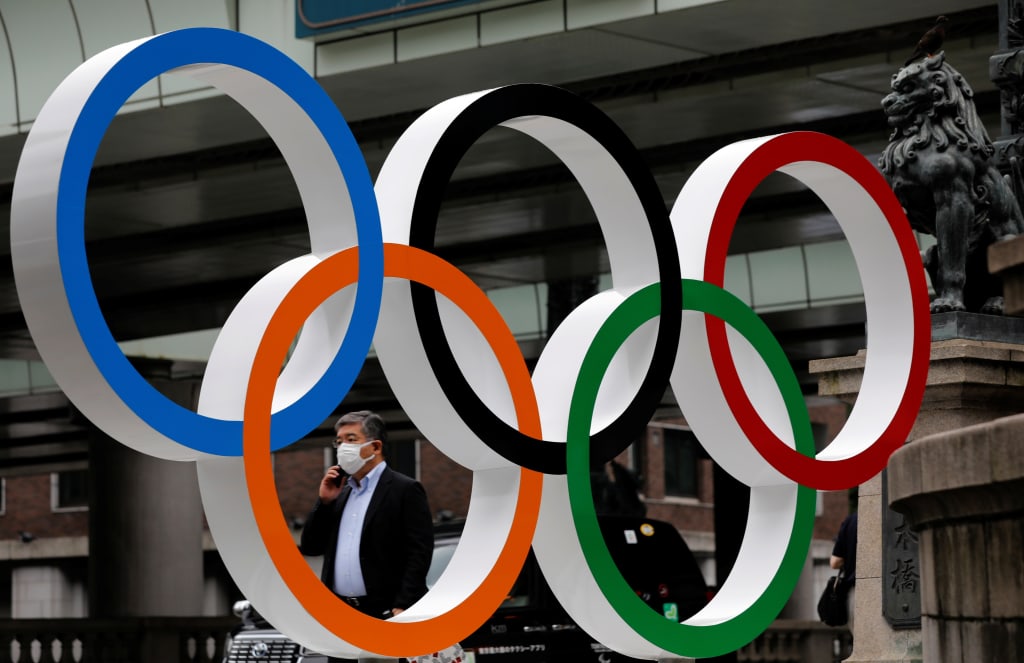
The 2020 Tokyo Olympics, postponed to 2021 due to the COVID-19 pandemic, will forever be remembered as a unique chapter in Olympic history. Originally scheduled to take place from July 24 to August 9, 2020, the Games faced unprecedented challenges as the world grappled with a global health crisis. Despite the hurdles, Tokyo successfully hosted the Olympics from July 23 to August 8, 2021, showcasing resilience and adaptability in the face of adversity. The event highlighted the intersection of sports, global unity, and the realities of a pandemic-stricken world.
The Decision to Postpone: A Historic First
The outbreak of COVID-19 in early 2020 disrupted life worldwide, leading to lockdowns, travel restrictions, and widespread uncertainty. As the virus spread rapidly, questions arose about the feasibility of holding the Tokyo Olympics as planned. For months, the International Olympic Committee (IOC), the Tokyo 2020 Organizing Committee, and global health authorities deliberated over the safety and practicality of the event.
In March 2020, the IOC and Japanese Prime Minister Shinzo Abe announced the historic decision to postpone the Games by one year. It was the first postponement in Olympic history, although the Games had been canceled before during World Wars I and II. This decision underscored the severity of the pandemic and the priority of safeguarding the health of athletes, officials, and spectators.
Challenges of Hosting a Pandemic Olympics
The postponement of the Games brought immense logistical and financial challenges. Japan had invested an estimated $15.4 billion in preparing for the Olympics, including constructing venues, upgrading infrastructure, and marketing campaigns. Delaying the event added billions in costs, as organizers had to renegotiate contracts, extend leases, and maintain readiness for an additional year.
Health and safety concerns became paramount. The Tokyo 2020 Organizing Committee implemented strict COVID-19 protocols, including regular testing for athletes and officials, social distancing measures, and a ban on international spectators. The latter decision was particularly disheartening for families of athletes and fans, but it was necessary to minimize the risk of virus transmission.
The pandemic also disrupted athletes’ training and qualification schedules. With gyms, training facilities, and sports venues closed during lockdowns, many athletes had to adapt to new training methods, often working out at home or in improvised conditions. The uncertainty surrounding the Games added to the mental and emotional strain on competitors, who had to maintain peak performance while navigating an unpredictable situation.
A Different Kind of Olympic Experience
The 2020 Tokyo Olympics, held in 2021, were unlike any other. The absence of spectators in most venues created a surreal atmosphere, with athletes performing in near silence. Cardboard cutouts, virtual fan walls, and artificial crowd noise were used to fill the void, but the energy of a live audience was sorely missed.
Despite these challenges, the Games proceeded smoothly and delivered memorable moments of athletic achievement. Over 11,000 athletes from 205 National Olympic Committees participated, demonstrating resilience and determination. The event became a symbol of hope, unity, and the power of sports to bring people together, even in the face of adversity.
Notable performances included
(I)Simone Biles: The American gymnast made headlines not only for her athleticism but also for prioritizing mental health, withdrawing from several events to focus on her well-being. Her decision sparked global conversations about the pressures faced by elite athletes.
(II)Neeraj Chopra: The Indian javelin thrower won his country’s first-ever Olympic gold in athletics, a historic achievement that inspired millions.
(III)Caeleb Dressel and Emma McKeon: These swimmers dominated the pool, with Dressel winning five gold medals for the U.S. and McKeon earning a record-breaking seven medals for Australia.
The Games also saw greater inclusivity, with the introduction of new sports like skateboarding, surfing, sport climbing, and karate, attracting younger audiences and expanding the Olympics' global appeal.
The Impact of COVID-19 on the Olympics
COVID-19 left a lasting impact on the Tokyo Olympics and the broader Olympic movement. The absence of international spectators significantly affected the local economy, with Japan losing billions in potential tourism revenue. Many businesses, including hotels, restaurants, and souvenir shops, suffered due to the lack of visitors.
On the positive side, the pandemic accelerated the integration of technology into the Olympics. Virtual fan experiences, digital broadcasting innovations, and interactive platforms allowed millions to engage with the Games from their homes. This shift demonstrated the potential of technology to make the Olympics more accessible to global audiences, even in challenging circumstances.
The Games also highlighted the importance of mental health in sports. Simone Biles' decision to prioritize her well-being resonated with athletes and fans worldwide, encouraging greater awareness and support for mental health issues.
Legacy of the 2020 Tokyo Olympics
The Tokyo Olympics will be remembered as a testament to human resilience and adaptability. Despite the challenges posed by the pandemic, the Games succeeded in bringing the world together, even if only virtually. They symbolized hope, perseverance, and the enduring spirit of the Olympic movement.
For Japan, hosting the Games during such a turbulent time showcased the nation’s organizational prowess and determination. The Olympics also left a lasting legacy in terms of infrastructure, with state-of-the-art venues like the National Stadium and Ariake Arena set to serve future generations of athletes and events.
On a global scale, the Tokyo Olympics underscored the need for adaptability in the face of uncertainty. The pandemic forced the IOC and organizers to rethink how the Games are planned and executed, paving the way for more flexible and inclusive approaches in the future.
Conclusion
The 2020 Tokyo Olympics were an extraordinary event that transcended the boundaries of sports. Held amidst a global pandemic, they faced unparalleled challenges but ultimately succeeded in uniting the world through athletic excellence. The Games served as a powerful reminder of humanity’s ability to overcome adversity, adapt to change, and find hope in even the most difficult circumstances. They will remain a defining moment in Olympic history, shaping the future of the Games for generations to come.
About the Creator
Badhan Sen
Myself Badhan, I am a professional writer.I like to share some stories with my friends.
Keep reading
More stories from Badhan Sen and writers in Gamers and other communities.
THE 1984 LOS ANGELES OLYMPICS AND THE COMMERCIALIZATION OF THE GAMES
The 1984 Los Angeles Olympics marked a turning point in the history of the modern Olympic Games. Unlike any previous iteration, the Los Angeles Games were celebrated for their innovative approach to financing and organizing a global sporting event. They not only showcased athletic excellence but also redefined how the Olympics could operate as a profitable enterprise, leveraging corporate sponsorships, media rights, and marketing strategies. The 1984 Games demonstrated that the Olympics could thrive without heavy government funding, paving the way for the modern, commercialized Olympics we see today.
By Badhan Senabout a year ago in Gamers
Master the Meta: How to Increase Legendarity Fast in Rush Royale 2026
The landscape of Rush Royale shifted dramatically with the introduction of the Legendarity system. For veteran players, the old days of simply stacking critical damage percentage are over. In 2026, your prowess is no longer measured solely by how many common units you have painstakingly leveled up to 15.
By Richard Bailey5 days ago in Gamers



Comments (1)
Great article and it was kind of weird watching these Olympics on TV and there was no clapping or anything especially during swimming and gymnastics. It was almost eerie at times.