
THE 1998 NAGANO WINTER OLYMPICS AND THE RISE OF SNOWBOARDING
A New Era:Snowboarding's Olympic Debut.

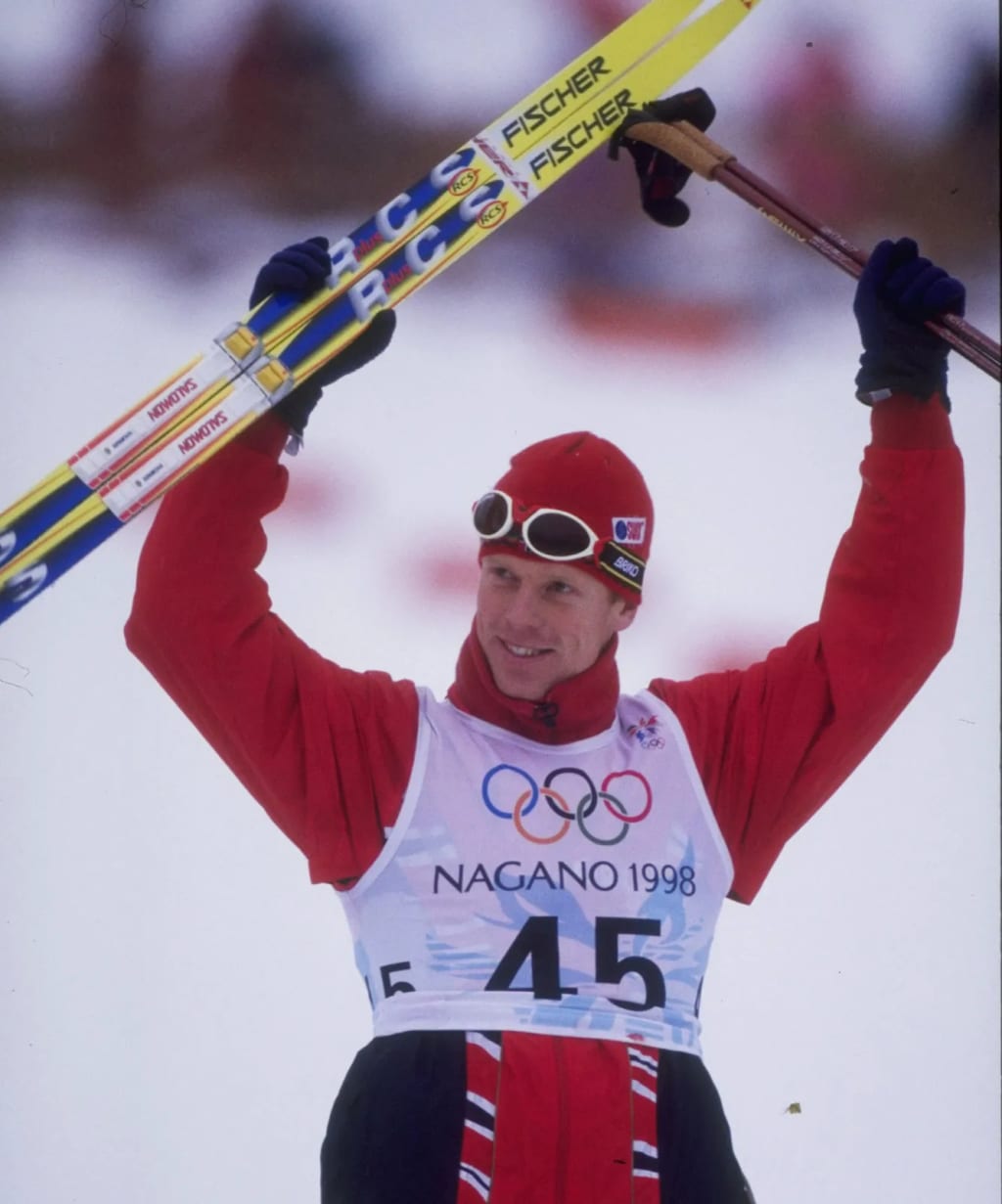
The 1998 Nagano Winter Olympics and the Rise of Snowboarding
The 1998 Winter Olympics, held in Nagano, Japan, marked a pivotal moment in the history of winter sports. As the first Winter Olympics held in Asia since 1972, Nagano introduced groundbreaking changes, most notably the debut of snowboarding as an official Olympic event. This development highlighted the growing popularity of the sport and its influence on winter sports culture worldwide.
The Significance of Nagano in Olympic History
Nagano represented a milestone in Olympic history. With over 2,000 athletes from 72 nations participating, it was the largest Winter Olympics at the time. The event featured the debut of women’s ice hockey, reflecting progress toward gender equality in sports. Nagano also showcased Japan’s advanced infrastructure and ability to host a global event seamlessly, setting a high standard for future Winter Olympics.
Snowboarding's Journey to the Olympics
Snowboarding originated in the United States during the 1960s and 1970s as an alternative to skiing, blending elements of surfing and skateboarding. By the 1990s, it had gained mainstream popularity, especially among younger athletes. The inclusion of snowboarding in Nagano was seen as a bold move by the International Olympic Committee (IOC) to attract a younger audience and expand the appeal of the Winter Olympics.
Events and Controversies
The 1998 Nagano Games included two snowboarding events: men’s and women’s giant slalom and halfpipe competitions. While the debut of snowboarding was celebrated, it was not without controversy. Ross Rebagliati of Canada won the first-ever Olympic gold medal in snowboarding but faced disqualification after testing positive for THC, a compound found in marijuana. His medal was later reinstated, sparking debates about drug testing policies in sports.
Snowboarding's Impact on Winter Sports Culture
The inclusion of snowboarding revolutionized the Winter Olympics, introducing a more dynamic and youthful energy to the Games. The sport’s freestyle and individualistic nature contrasted with traditional winter sports, creating a cultural shift. Snowboarding has since become one of the most popular and anticipated events at the Winter Olympics, with the addition of disciplines like slopestyle and big air in later years.
Memorable Moments from Nagano
Beyond snowboarding, the Nagano Olympics featured several historic moments. Tara Lipinski became the youngest figure skating gold medalist at age 15. Bjørn Dæhlie of Norway cemented his legacy as the most decorated Winter Olympian with his ninth gold medal in cross-country skiing. These achievements underscored the diverse athletic talent showcased in Nagano.
Legacy of the 1998 Nagano Olympics
The Nagano Games left a lasting legacy in both Japan and the world of winter sports. They demonstrated the global reach of the Winter Olympics and the potential for new sports to rejuvenate the Games. Snowboarding's inclusion paved the way for other non-traditional sports, influencing the IOC’s decision to incorporate skateboarding, surfing, and climbing into the Summer Olympics years later.
Conclusion
The 1998 Nagano Winter Olympics were a turning point in Olympic history, blending tradition with innovation. The rise of snowboarding highlighted the evolving nature of winter sports and the importance of appealing to younger audiences. Nagano not only celebrated athletic excellence but also set the stage for a more inclusive and diverse future for the Olympic Games.
The 1998 Nagano Winter Olympics marked a significant era of change and expansion for the Winter Games. With the introduction of snowboarding, the event appealed to a younger and more diverse audience, paving the way for contemporary and freestyle sports to become Olympic staples. Alongside its debut, women’s ice hockey also premiered, symbolizing progress toward gender inclusivity. Nagano showcased Japan’s ability to blend tradition with modernity, leaving a legacy of innovation and cultural exchange. Iconic moments like Tara Lipinski’s record-setting performance and Bjørn Dæhlie’s cross-country skiing dominance highlighted the event’s rich athletic achievements. Nagano's impact endures in the evolving spirit of the Winter Olympics.
About the Creator
Badhan Sen
Myself Badhan, I am a professional writer.I like to share some stories with my friends.
Keep reading
More stories from Badhan Sen and writers in Gamers and other communities.
THE 2002 SALT LAKE CITY OLYMPICS AND POST-9/11 RECOVERY
The 2002 Salt Lake City Olympics and Post-9/11 Recovery The 2002 Winter Olympics, held in Salt Lake City, Utah, marked a significant moment in Olympic history, not only for the athletic achievements but also for its role in aiding the global healing process after the tragic events of September 11, 2001. These Games stood as a testament to resilience, unity, and the power of sport to bring hope and solidarity in times of adversity.
By Badhan Senabout a year ago in Gamers
Dodgers
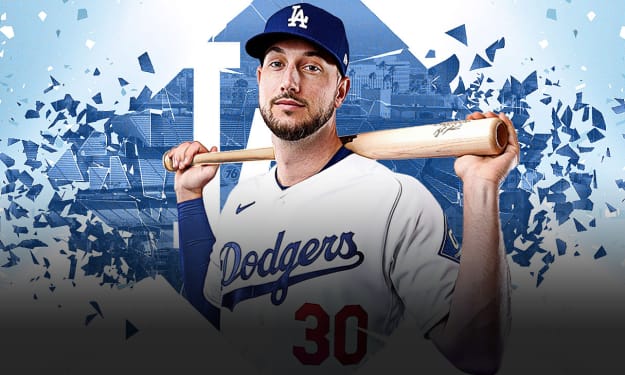
The Los Angeles Dodgers have long been one of the most influential franchises in MLB, known for combining elite player development with the financial flexibility to pursue top-tier talent. From consistent postseason appearances to being counted among recent World Series winners, the Dodgers continue to shape league-wide conversations. As the new season approaches, Dodgers news is once again dominated by roster construction, payroll discussions, and persistent MLB trade rumors—especially those surrounding Kyle Tucker. The Dodgers’ Identity in Modern MLB Few teams balance tradition and innovation quite like the LA Dodgers. Their front office has mastered analytics while still valuing star players who can deliver in October. The current Dodgers roster reflects that philosophy, blending established veterans with emerging talent. Over the years, names like Cody Bellinger have defined eras of success, while new possibilities continue to fuel speculation. The Dodgers’ ability to remain competitive is also tied to their willingness to maintain a high Dodgers payroll. While they are not reckless spenders, they are strategic—targeting players who can elevate both performance and brand value. Kyle Tucker and Why He Fits the Dodgers Narrative Among the most discussed names in recent MLB rumors is Kyle Tucker. A consistent offensive presence and reliable defender, Tucker has emerged as one of the most complete players in modern baseball. Naturally, that has led to growing interest in a potential Kyle Tucker Dodgers scenario. So, what position does Kyle Tucker play? Tucker is primarily a right fielder, though his athleticism allows flexibility across the outfield. That versatility makes him especially attractive to teams like the Dodgers, who value adaptable Dodgers outfielders capable of handling high-pressure situations. The phrase “Tucker baseball” has become shorthand for a balanced skill set: power, patience, and postseason reliability. It’s no surprise that Kyle Tucker news often trends alongside big-market teams. Contracts, Agents, and the Cost of Stardom Any serious discussion of Tucker to Dodgers inevitably leads to contract considerations. The idea of a Kyle Tucker contract Dodgers deal raises questions about years, value, and long-term impact. While no official Kyle Tucker deal has been announced, speculation continues around what such a move would require. The Kyle Tucker agent would likely prioritize both financial security and a winning environment—two things the Dodgers can credibly offer. Still, committing to a potential Kyle Tucker Dodgers contract would require careful planning, especially with other stars already on the books. Misspellings like kyle.tucker, kyle tuxker, or even kyke tucker frequently appear in online searches, underscoring just how much attention surrounds him across the baseball world. How Tucker Could Shape the Dodgers Lineup If a Dodgers Tucker scenario ever materializes, it would have a major impact on the Dodgers lineup. A projected middle-of-the-order bat like Tucker could slot seamlessly into a Dodgers projected lineup, offering protection for existing stars and adding depth in late-game situations. Comparisons have been drawn between Tucker and former Dodgers standouts like Bellinger, particularly in terms of two-way impact. While Cody Bellinger brought elite defense and timely power, Tucker offers a more consistent offensive profile year over year. Competition From the Mets and Other MLB Teams Of course, the Dodgers are not alone in pursuing elite talent. The NY Mets, backed by owner Steve Cohen, have made it clear they are willing to spend aggressively. Mets news often mirrors Dodgers news, especially when it comes to top-tier MLB free agents and trade targets. Names like Edwin Diaz and Bo Bichette frequently appear in league-wide discussions, highlighting how interconnected roster decisions have become. Any move involving Tucker would likely ripple across the league, influencing strategies for teams like the Mets, who remain active in both free agency and trades. MLB Trade Rumors and the Bigger Picture Sites such as MLBTradeRumors regularly analyze scenarios involving Kyle Tucker to Dodgers, though nothing has been confirmed. These rumors reflect a broader truth: elite players drive conversation, even when deals never materialize. The Dodgers understand that not every rumor becomes reality. Still, being linked to players like Tucker reinforces the team’s image as a perennial contender. Whether through trades or internal development, the goal remains the same—build a roster capable of winning another championship. Looking Ahead: What This Means for the Dodgers As the season unfolds, the Dodgers will continue to evaluate opportunities that align with their long-term vision. The idea of Dodgers Kyle Tucker is compelling, but it’s only one chapter in a much larger story about sustained excellence. With a deep farm system, financial flexibility, and a proven track record, the Los Angeles Dodgers remain at the center of MLB news. Whether or not Tucker ever wears Dodger blue, the conversations surrounding him highlight how the franchise continues to influence the direction of the league. In the end, the Dodgers’ success has never hinged on a single move. It’s about smart decisions, calculated risks, and an unwavering commitment to winning—qualities that keep them relevant, respected, and always worth watching.
By Saboor Brohi 4 days ago in Gamers



Comments (1)
I remember watching these Winter Olympics thanks for the memories.