
THE 1996 ATLANTA OLYMPICS AND THE CENTENNIAL GAMES
Celebrating 100 Years:The Triumphs,Challenges,and Legacy of the 1996 Centennial Olympics.

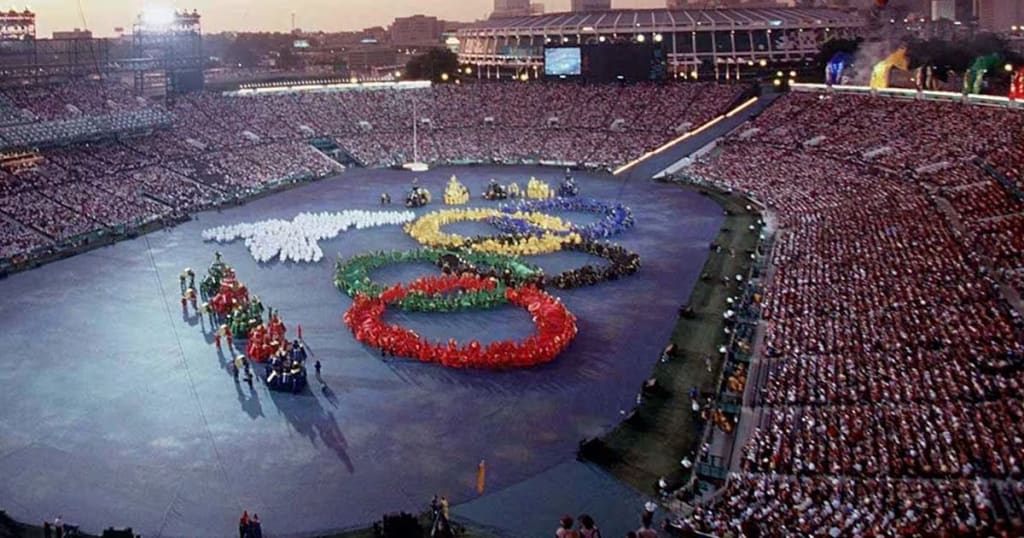
The 1996 Atlanta Olympics, officially known as the Games of the XXVI Olympiad, were a significant milestone in the history of the Summer Olympics. Celebrating the centennial anniversary of the modern Olympic Games, these Games were dubbed the Centennial Games, symbolizing 100 years since the first modern Olympics in Athens in 1896. The Atlanta Olympics were marked by a mix of achievements, controversies, and challenges, but they also set the stage for the evolution of the Olympic Games in the 21st century. This article explores the significance of the 1996 Atlanta Olympics, highlighting its historical context, organizational challenges, and the impact it had on the Olympic movement.
The Centennial Games: A Historic Occasion
The 1996 Olympics were unique in their significance, as they celebrated the centennial anniversary of the modern Olympic Games. The first modern Olympics were held in Athens in 1896, and the 1996 Games in Atlanta were designed to reflect this rich history. The centennial theme was incorporated into various aspects of the Games, from the opening ceremony to the design of the medals, and even the iconic logo, which combined the traditional Olympic rings with a torch to symbolize the passage of time.
The Atlanta Games were also the first Olympics to be held in the United States since the 1984 Los Angeles Games. For the U.S., hosting the Games was a chance to celebrate its history as a major player in the world of sport while also showcasing the growing influence of its commercial and media industries in the international sports arena. Atlanta, a city with a strong reputation for business and innovation, was selected to host the Games after a highly competitive bidding process.
The Bidding and Preparation
Atlanta's bid to host the 1996 Olympics was initially met with some skepticism. The city, though a major hub for commerce, did not have the same international recognition as other cities such as New York or Los Angeles. However, Atlanta’s bid was strongly supported by the International Olympic Committee (IOC) due to its commitment to building new venues, modernizing infrastructure, and offering a significant financial investment in the Games. The city also emphasized its role in promoting global peace and cooperation, which aligned with the Olympic ideals.
The preparation for the Centennial Games faced several challenges. One of the most significant hurdles was the issue of funding. The initial costs of the Games were projected to be much higher than anticipated, and there were concerns over the economic viability of the event. Many of the Olympic venues were built from scratch, and the city invested heavily in upgrading its infrastructure, including public transportation and the construction of sports facilities. However, the overreliance on private sponsors and the commercialization of the Games led to tensions, especially as the organizers sought to balance profit-making with the Olympic ideal of amateur sport.
Organizational Challenges and Controversies
While the Atlanta Olympics were a major event on the world stage, they were also marred by a number of organizational issues and controversies that impacted their overall legacy.
(I)Ticketing Problems and Delays: One of the most significant problems was the chaotic ticketing system, which left many spectators frustrated and unable to access events. Problems with ticket distribution, long lines, and disorganization led to a less-than-ideal experience for many Olympic fans. The poor management of ticketing cast a shadow over the event and became a major point of criticism.
(II)Transportation and Infrastructure Issues: Despite significant investment in infrastructure, the transportation system in Atlanta faced major issues during the Games. Many of the roads and public transit routes were not prepared to handle the influx of visitors, causing delays and confusion. The lack of coordination between different transportation services, combined with a lack of preparation for large crowds, led to logistical challenges that affected the experience of spectators and athletes alike.
(III)The Bombing Incident: Perhaps the most tragic event during the 1996 Olympics was the Atlanta Olympic Park bombing. On July 27, 1996, during a concert in Centennial Olympic Park, a bomb exploded, killing two people and injuring over 100 others. The bombing was a horrific reminder of the risks that come with hosting large-scale international events. The attack also sparked a global conversation about security at the Olympics and led to significant changes in security protocols for future Games.
(IV)Commercialization of the Games: The 1996 Olympics were heavily commercialized, and this aspect attracted both praise and criticism. Atlanta sought to generate significant revenue through corporate sponsorships, resulting in a saturation of advertisements and branding throughout the Games. While this helped finance the event, it also contributed to criticisms that the spirit of the Olympics was being overshadowed by corporate interests. The dominance of multinational companies and the commercialization of the Games were viewed by some as a departure from the traditional Olympic values of amateurism and fairness.
Sporting Highlights and Legacy
Despite the organizational difficulties, the 1996 Olympics were a major success in terms of the athletic performances that took place. The Centennial Games saw several standout performances and historic achievements across a range of sports:
(I)Michael Johnson: American sprinter Michael Johnson became one of the stars of the Games, winning gold in both the 200 meters and 400 meters, setting a new world record in the 200 meters with a time of 19.32 seconds. His victories made him one of the most memorable athletes of the 1996 Games.
(II)Dominique Dawes: The U.S. women’s gymnastics team, known as the "Magnificent Seven," won the first-ever team gold medal for the United States in gymnastics. Dominique Dawes was a standout in the team, and her individual performances earned her a place in Olympic history.
(III)Muhammad Ali: The closing ceremony of the 1996 Olympics featured a poignant moment when Muhammad Ali, one of the greatest boxers in history, lit the Olympic cauldron. His appearance, despite his battle with Parkinson’s disease, symbolized the spirit of the Games and their connection to human excellence and perseverance.
(IV)Tennis' Return to the Olympics: Tennis made its return to the Olympics in 1996 after a 64-year hiatus, and American tennis stars like Andre Agassi and Venus Williams became Olympic champions. This was seen as a significant moment for the sport, which had grown in popularity since its last appearance at the 1924 Olympics.
The 1996 Games were also notable for the inclusion of beach volleyball as an official Olympic sport, reflecting the growing popularity of non-traditional sports and marking a shift in the Games' diversity of disciplines.
Conclusion: The Mixed Legacy of the 1996 Atlanta Olympics
The 1996 Atlanta Olympics were a mixed affair—historically significant as the Centennial Games but challenged by a variety of organizational problems, controversies, and tragic events. While the Games saw outstanding athletic performances, including Michael Johnson’s world records and the U.S. women's gymnastics team’s historic win, the event's legacy is overshadowed by issues related to commercialization, poor planning, and security concerns.
The lessons learned from Atlanta’s shortcomings would shape the future of the Olympic Games, leading to a more focused emphasis on infrastructure, security, and the balance between commercialization and the Olympic ideals. Despite these challenges, the 1996 Games marked a significant moment in Olympic history, and they laid the groundwork for the Games to evolve into a more global, media-driven spectacle in the years that followed. Ultimately, the Centennial Games provided both triumphs and lessons, contributing to the ongoing evolution of the modern Olympic movement.
About the Creator
Badhan Sen
Myself Badhan, I am a professional writer.I like to share some stories with my friends.
Keep reading
More stories from Badhan Sen and writers in Gamers and other communities.
THE 2016 RIO OLYMPICS AND THE ZIKA VIRUS
The 2016 Rio Olympics and the Zika Virus The 2016 Rio Olympics, held from August 5 to August 21, were a momentous occasion for Brazil and the global sporting community. For the first time, the Summer Games were hosted in South America, marking a historic achievement for the region. However, the event was overshadowed by concerns over the Zika virus, a mosquito-borne illness that was spreading rapidly across Brazil and parts of the Americas. This article examines the challenges posed by the Zika virus during the Rio Olympics, the measures taken to address health concerns, and the broader impact the outbreak had on the Games and Brazil's international image.
By Badhan Senabout a year ago in Gamers
Twilight Ranger and Necromancer: Why This Duo is the 2026 Meta King
High-ladder play in Rush Royale has shifted. If you have logged into the competitive circuit lately, you have likely seen it. A specific, shadowy pairing is crushing the leaderboards and leaving traditional "Twins" or "Inquisitor" builds in the dust.
By Richard Baileya day ago in Gamers
I Am Future Review 2026
Post-apocalyptic games are usually filled with danger, despair, and constant combat. I Am Future: Cozy Apocalypse Survival takes a very different approach. Instead of focusing on fear and destruction, it presents the end of the world as a quiet opportunity to rebuild, relax, and rediscover joy in small, meaningful activities. Developed by Mandragora and published by tinyBuild, I Am Future blends survival mechanics with cozy life-sim elements, creating a unique experience that stands apart from traditional survival games.
By Games Mode On3 days ago in Gamers



Comments (1)
Good work. I lived in PA when these games were on, and it was nice to watch events live as they were happening not recorded day or evening.