
THE 2016 RIO OLYMPICS AND THE ZIKA VIRUS
Health Crisis on the Horizon:The Zika Virus and Its Impact on the 2016 Rio Olympics.

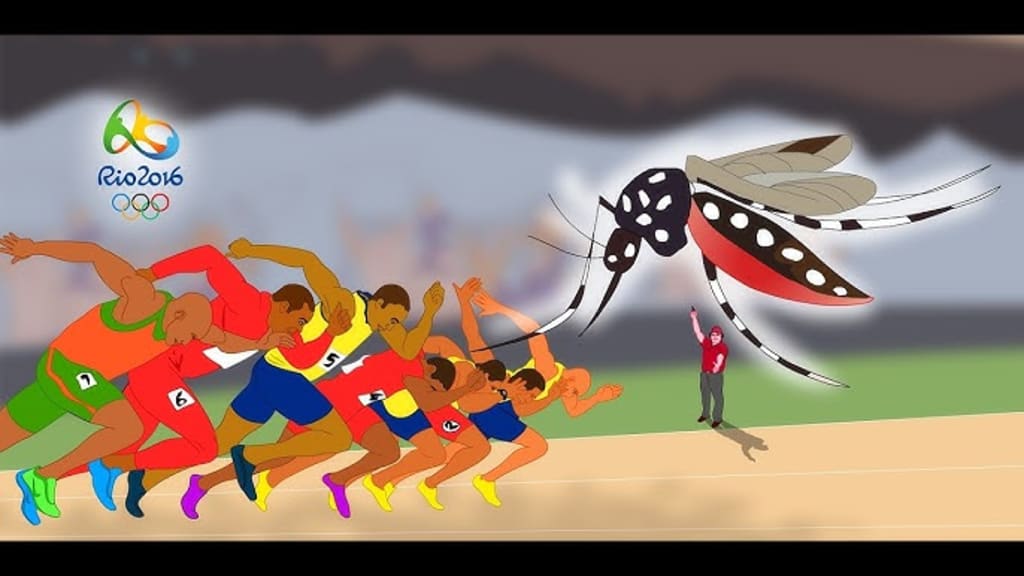
The 2016 Rio Olympics and the Zika Virus
The 2016 Rio Olympics, held from August 5 to August 21, were a momentous occasion for Brazil and the global sporting community. For the first time, the Summer Games were hosted in South America, marking a historic achievement for the region. However, the event was overshadowed by concerns over the Zika virus, a mosquito-borne illness that was spreading rapidly across Brazil and parts of the Americas. This article examines the challenges posed by the Zika virus during the Rio Olympics, the measures taken to address health concerns, and the broader impact the outbreak had on the Games and Brazil's international image.
The Zika Virus Outbreak
In 2015, the World Health Organization (WHO) declared a public health emergency due to the rapid spread of the Zika virus in the Americas, particularly in Brazil. The virus, transmitted primarily by the Aedes mosquito, was linked to a surge in birth defects, including microcephaly, a condition in which babies are born with smaller-than-normal heads and developmental disabilities. This heightened concern about the safety of pregnant women and the potential for the virus to spread globally.
By the time the Rio Olympics were scheduled to take place in August 2016, the Zika outbreak had become a major health crisis in Brazil. In response to the outbreak, health organizations, governments, and athletes raised alarms about the potential risks to those attending the Games, especially visitors from other countries. Many were concerned about the possibility of the virus spreading further during the Olympics, given the influx of international tourists, athletes, and officials to Rio de Janeiro.
International Concerns and Public Response
As the Olympics approached, public health concerns regarding Zika dominated the media landscape. The World Health Organization (WHO) and the Centers for Disease Control and Prevention (CDC) issued warnings for travelers to Brazil, particularly pregnant women, advising them to reconsider attending the Games. In some countries, including the United States and Canada, health officials warned against travel to Brazil, encouraging pregnant women to avoid the region during the Olympics.
The Zika virus also prompted some high-profile athletes to withdraw from the Games, further amplifying concerns. American golfer Rory McIlroy, American tennis player Serena Williams, and several other athletes cited the risk of contracting Zika as one of the reasons for their decisions not to participate in Rio. The public concern also led to a number of major sponsors, particularly those with female consumers, reassessing their involvement with the Games.
Despite these fears, the IOC and the organizing committee for the Rio Olympics, led by Rio 2016 President Carlos Nuzman, continued to assert that the Games would go on as planned, stressing that extensive health measures were being implemented to combat the spread of the virus.
Measures to Combat Zika
In an effort to address the health concerns and ensure the safety of athletes and visitors, a number of preventative measures were implemented in Rio in the months leading up to the Olympics.
- Mosquito Control Programs: The Brazilian government launched an aggressive mosquito control program, including the spraying of insecticides around Olympic venues, the Olympic Village, and other areas frequented by tourists and athletes. Additionally, health officials emphasized the importance of using insect repellent, wearing protective clothing, and staying in air-conditioned or mosquito-netted rooms to minimize exposure to mosquitoes.
- Public Health Campaigns: To raise awareness of the Zika virus, Rio's local authorities and the World Health Organization (WHO) conducted public health campaigns aimed at educating the public and travelers. The campaigns focused on the risks of Zika, prevention methods, and the importance of reducing mosquito breeding sites around the city.
- Healthcare Readiness: Brazilian health authorities bolstered the healthcare infrastructure, preparing to treat individuals who might be affected by the virus. Hospitals and clinics in Rio were equipped to handle Zika-related cases, and additional medical personnel were deployed to monitor the health of athletes and visitors.
- Precautionary Advice for Athletes: The International Olympic Committee (IOC) and the Rio 2016 organizing committee advised athletes to take extra precautions to avoid mosquito bites. Recommendations included the use of repellents and wearing long sleeves and pants. Some athletes were also provided with specially designed "mosquito-proof" housing.
Impact on the Games
Despite the efforts to control the outbreak, the Zika virus affected the atmosphere of the Rio Olympics in several ways.
(I)Athlete Participation
Although the majority of athletes participated in the Games, some withdrew or expressed concerns about the Zika virus. In addition to the aforementioned golf and tennis players, other athletes, particularly from countries where Zika was a major concern, considered the risks too high. The withdrawal of some athletes may have affected the overall competitiveness of certain events, though many Olympic hopefuls still arrived in Rio determined to compete.
(II)Media Coverage
The Zika virus became a key issue in media coverage of the Rio Olympics, overshadowing the usual focus on athletic performances and competition. News outlets frequently reported on the health risks, with special attention given to pregnant athletes and tourists. While many of these stories were based on the advice of health experts, the constant media focus on Zika contributed to a sense of unease among potential visitors and spectators.
(III)Impact on Tourism
Tourism in Rio was affected by concerns about the Zika virus. Although Brazil's tourism industry had hoped the Olympics would draw significant international visitors, the health crisis led many to cancel or avoid travel to the region. Reports of a decline in tourism during the months leading up to the Olympics were widespread, with some visitors choosing to skip the Games entirely due to fears of infection.
(IV)Public Perception of Brazil
The Zika crisis also affected public perception of Brazil as a host for the Olympics. Despite the country's enthusiasm for the Games, the Zika outbreak cast a shadow over Brazil's image. The outbreak reinforced negative stereotypes of Brazil's public health system and raised questions about the country's readiness to manage such large-scale international events in the face of a health crisis.
Conclusion
The 2016 Rio Olympics were undoubtedly a success in terms of athletic achievements and the spectacle they provided to the world, but the Zika virus crisis added an unexpected layer of complexity to the Games. The virus highlighted the challenges of hosting a global event in a region facing public health crises, and it raised important questions about the future of international sporting events in areas at risk of disease outbreaks.
While the Rio Olympics went ahead despite the Zika scare, the legacy of the Games is marked by the intersection of sport, public health, and global media attention. The experience has shaped how future Games, such as the Tokyo 2020 (held in 2021), approach health risks, and it has reminded the world of the vulnerability of international events to health crises and the importance of robust public health planning. The Zika virus served as a reminder that even the most prestigious sporting events can be affected by factors beyond the athletes’ performances, and the Olympic movement must be prepared to adapt to new challenges as they arise.
About the Creator
Badhan Sen
Myself Badhan, I am a professional writer.I like to share some stories with my friends.
Keep reading
More stories from Badhan Sen and writers in Gamers and other communities.
THE 1932 LOS ANGELES OLYMPICS:THE FIRST NIGHTTIME EVENTS
The 1932 Los Angeles Olympics, held from July 30 to August 14, marked a significant milestone in the history of the Games. Among its many innovations and firsts, the 1932 Olympics were notable for introducing the first nighttime events in Olympic history. This change not only transformed how the Games were conducted but also reflected the growing importance of broadcast media and the changing nature of global sports culture during the early 20th century. This article explores the importance of the 1932 Olympics, focusing on its innovation with nighttime events, and how the Games shaped the future of the Olympic movement.
By Badhan Senabout a year ago in Gamers
Avowed to Playstation 5
Avowed is a first-person action role-playing video game developed by Obsidian Entertainment and published by Xbox Game Studios. Set in the fantasy world of Eora, the same universe as Pillars of Eternity, the game blends deep narrative and choice-driven gameplay with immersive combat and exploration.
By Games Mode On7 days ago in Gamers


Comments (1)
Good work and I remember all the hubbub about the terrors of Zika.