
THE 1992 WINTER OLYMPICS IN ALBERTVILLE,FRANCE
Challenges,Triumphs,and Legacy:The 1992 Winter Olympics in Alberville France.

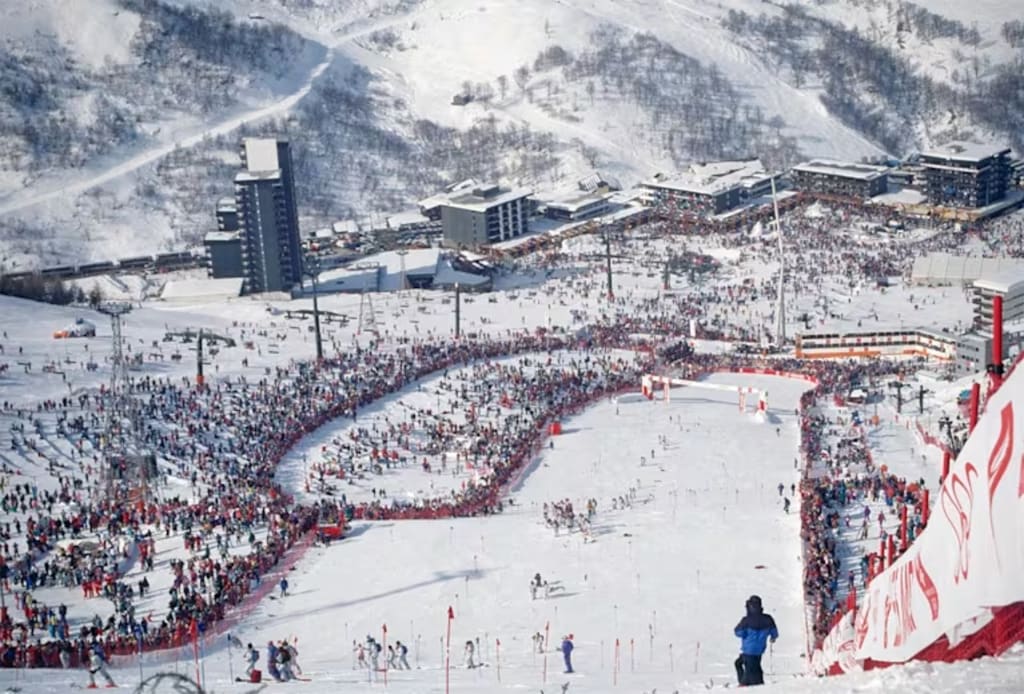
The 1992 Winter Olympics, officially known as the XVI Olympic Winter Games, were held in Albertville, France, from February 8 to February 23. The Games were significant not only for their sporting achievements but also for the transformations they marked in the history of the Winter Olympics. Albertville, a small town located in the French Alps, was chosen to host the event, and the Games became a platform for showcasing France’s mountainous beauty while also serving as a reflection of changes in the Olympic movement. This article explores the significance of the 1992 Winter Olympics, the challenges and innovations of hosting the Games, and its legacy.
A Landmark Winter Olympics
The 1992 Winter Olympics were notable for several reasons. Firstly, they were the last Winter Olympics held in the 20th century, marking a historic moment for the Olympic movement. Secondly, they were the first Winter Games to be held in France since the 1968 Winter Olympics in Grenoble. The Games in Albertville were seen as a way to continue France's strong sporting tradition, particularly in winter sports, and to enhance the country’s international reputation.
Albertville, with a population of only about 17,000 people at the time, faced the daunting task of hosting a global event. The town's bid to host the Games had to compete against larger cities, but the town's location in the heart of the French Alps, an area renowned for its skiing and winter sports, proved to be a winning factor. The bid also emphasized the potential for the Games to bring infrastructure improvements and increase tourism to the region.
The Challenges of Hosting in a Small Town
One of the major challenges of the 1992 Albertville Olympics was that the host city was relatively small and lacked the necessary infrastructure to accommodate such a large event. Unlike previous Winter Olympics, which had been hosted in major cities with extensive infrastructure, Albertville required significant investments in both urban and sporting facilities. To address this, the French government, local authorities, and the International Olympic Committee (IOC) worked together to create a network of venues spread across the region, many of which were located in neighboring towns and villages.
(I)Decentralization of Venues:
To overcome the limitations of the small host city, the Albertville Games featured venues spread out across the Savoie region of France. Some events were held in nearby towns, such as La Plagne, Tignes, and Courchevel, while the bobsleigh and luge events took place in the nearby town of Moutiers. This decentralization posed logistical challenges, as transportation between the venues was critical for athletes and spectators. The organizing committee constructed a new road system and invested in a high-speed rail link between the major venues to ensure smooth transportation.
(II)Environmental Concerns:
Given the Games' location in a sensitive Alpine environment, there were concerns about the ecological impact of the Games. The organizers made efforts to minimize the environmental footprint of the event, adopting sustainable practices such as using existing infrastructure wherever possible and building venues that could be used after the Games. One example of this was the Ice Hockey Arena, which was later converted into a public sports facility. Despite these efforts, the development of infrastructure led to debates about the long-term environmental consequences of such large-scale construction in a fragile natural setting.
Key Moments and Sporting Highlights
The 1992 Winter Olympics were marked by several memorable moments and thrilling performances, which contributed to the event’s overall success.
(I)Alpine Skiing:
Alpine skiing was one of the standout sports of the 1992 Games, particularly the performance of Alberto Tomba from Italy. Tomba, who had already gained a reputation as a top skier, dominated the men’s Alpine events, winning gold medals in both the slalom and giant slalom. His victories cemented his place as one of the greatest Alpine skiers of his time. His charismatic style and athleticism captured the attention of audiences around the world.
(II)Figure Skating:
The figure skating competition was another highlight, particularly in the pairs event, where the Russian duo of Ekaterina Gordeeva and Sergei Grinkov won the gold medal. Their performance was noted for its grace and technical difficulty, and they became one of the most beloved pairs in figure skating history. In the men's figure skating event, Victor Petrenko of Ukraine took the gold, delivering an emotional performance after the collapse of the Soviet Union.
(III)The "Miracle on Ice" of the 1992 Games:
The 1992 Winter Olympics were also memorable for the American ice hockey team’s upset victory in the men’s ice hockey tournament. The team, which had a mix of veteran and young players, was seen as an underdog but managed to defeat the heavily favored Canada in a dramatic semifinal game, earning the gold medal. This victory was another testament to the growing strength of ice hockey beyond the traditionally dominant nations.
(IV)Ski Jumping:
Ski jumping also featured a remarkable moment with Matti Nykänen of Finland, who won three gold medals in ski jumping, solidifying his legacy as one of the most accomplished athletes in the sport. Nykänen's victories were a testament to his dominance and were a major highlight of the Games.
The 1992 Games as a Platform for Change
The 1992 Winter Olympics were also significant for the social and political changes they reflected. The Games were the last Winter Olympics before the collapse of the Soviet Union, and the competition saw athletes from newly independent countries such as the Unified Team, which represented former Soviet republics. This era marked the beginning of a new geopolitical landscape, and the 1992 Albertville Olympics symbolized a shift in the global order.
Another key change in the Winter Olympics was the introduction of women’s bobsledding. The 1992 Games were the first Winter Olympics to feature this event, and the German team won the inaugural gold medal in the event. This represented an important step toward gender equality in Olympic sports, expanding opportunities for female athletes.
Legacy of the 1992 Albertville Olympics
The 1992 Winter Olympics left a significant legacy in terms of both infrastructure and the Olympic movement. Although the Games were held in a small town, the event provided lasting improvements to the region, including better transportation networks, improved sports facilities, and enhanced tourism infrastructure. The Games were also a springboard for future Winter Olympics, serving as a model for future hosts in smaller locations and highlighting the potential of decentralized venues.
The Alpine skiing events solidified their importance in the Winter Games, and the performance of athletes like Alberto Tomba and Matti Nykänen left a lasting impact on their respective sports. Additionally, the introduction of women’s bobsledding and the participation of former Soviet republics made the 1992 Winter Olympics a historical milestone in the ongoing evolution of the Games.
However, the Games were also notable for the challenges faced by the organizers. The decentralized nature of the venues posed logistical issues, and the environmental impact of construction was a concern. Nevertheless, the 1992 Albertville Olympics demonstrated the ability to overcome these challenges and host a successful Winter Games in a smaller, non-traditional location.
Conclusion: A Historic Winter Games
The 1992 Winter Olympics in Albertville were marked by significant athletic achievements, historical moments, and challenges in terms of infrastructure and organization. Despite these challenges, the Games were ultimately successful, serving as a reminder of the flexibility of the Olympic movement and the ability of smaller towns to host major international events. The 1992 Winter Olympics left a lasting legacy, particularly in the realms of sport and infrastructure, and provided an important blueprint for future Winter Games. The excitement of the Games, the beauty of the Alpine region, and the introduction of new events like women’s bobsledding made Albertville a memorable chapter in Olympic history.
About the Creator
Badhan Sen
Myself Badhan, I am a professional writer.I like to share some stories with my friends.
Keep reading
More stories from Badhan Sen and writers in Gamers and other communities.
THE 2004 ATHENS OLYMPICS AND THE CONTROVERSIAL DELAY
The 2004 Athens Olympics, officially known as the Games of the XXVIII Olympiad, were meant to mark a triumphant return of the Olympics to its birthplace, Greece. After a long gap of 108 years since the first modern Olympic Games in Athens in 1896, the Greek capital was set to showcase its rich history and cultural heritage to the world. However, the journey to the 2004 Athens Olympics was fraught with significant challenges, most notably the controversial delay in the completion of the necessary infrastructure and venues. These issues led to a series of setbacks and criticisms that overshadowed the Games in the lead-up to the event. This article explores the controversies surrounding the delay, the impact it had on the Olympics, and how the Games ultimately overcame these challenges.
By Badhan Senabout a year ago in Gamers
Rachel Reviews: The Spiral Archive by Pieter Hendrik
It's difficult for me to know where to start with a review of this book as it was, for me, an entirely unique experience and one that I'll probably never have again. I don't want that to be interpreted as unenjoyable but it has left me scratching my head a little and ruminating on its content, its themes and its characters.
By Rachel Deemingabout 23 hours ago in BookClub




Comments (1)
Great work on this article. I remember watching these games on CBS. If I remember the reporters and commentators spent more time showing the sites than showing the games.