
THE 1936 BERLIN OLYMPICS AND ITS NAZI PROPAGANDA
How Hitler's Regime Used the Olympics to Promote Aryan Superiority and Nationalism.

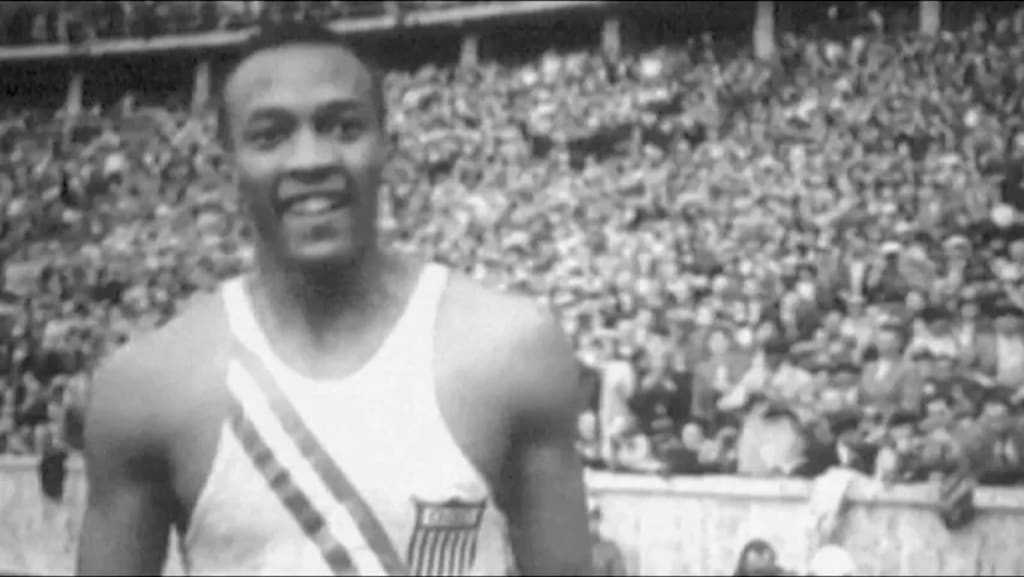
The 1936 Berlin Olympics, officially known as the Games of the XI Olympiad, were held in Nazi Germany under the regime of Adolf Hitler. The Games became one of the most politically charged events in Olympic history, as the Nazi government used the event as a propaganda tool to promote its ideals of Aryan racial superiority and to solidify its international standing. The Olympics, originally intended as a celebration of international athleticism and unity, were manipulated by the Nazis to further their political agenda and to project an image of strength and order.
Background: The Rise of the Nazi Regime
By the time the 1936 Berlin Olympics were held, Adolf Hitler and the Nazi Party had been in power for three years. Hitler had assumed the chancellorship of Germany in 1933, and by 1936, the Nazis had already begun implementing their deeply racist and authoritarian policies. One of the key components of Nazi ideology was the belief in the superiority of the "Aryan" race, particularly the Germans, and the inferiority of other races, especially Jews, Romani people, and Slavs. The Nazis used propaganda to foster this belief and to promote the idea of a racially pure, powerful German state.
The decision to host the 1936 Olympics was a strategic move by Hitler and the Nazi Party to showcase their regime to the world. The Nazis hoped that by staging a successful and grandiose Olympics, they could not only demonstrate their organizational abilities but also solidify their image as a resurgent Germany following the humiliation of World War I and the Treaty of Versailles.
Nazi Propaganda and the 1936 Olympics
From the moment it was awarded the Games in 1931, the Nazi regime saw the Olympics as a prime opportunity to display its ideals to the world. The Olympics were portrayed as a means of glorifying the achievements of the "Aryan" race while simultaneously masking the reality of Nazi policies, such as the persecution of Jews, the suppression of political dissent, and the growing militarization of Germany.
The Nazis used a variety of propaganda techniques during the Games, both inside and outside the stadiums. The opening ceremony, for example, was a spectacle designed to evoke a sense of national pride and power. The event, held in the newly constructed Olympic Stadium in Berlin, featured grand displays of Nazi symbols and imagery, including the swastika, and was attended by over 100,000 spectators, including high-profile foreign dignitaries.
A key feature of Nazi propaganda was the heavy use of symbolism. The Games were imbued with a sense of German nationalistic pride, and the Nazis used the event to emphasize their military strength, their commitment to order, and their vision of a racially homogenous society. The Nazis showcased their emphasis on physical fitness and the ideal of the "superior" German athlete, further aligning their beliefs with the Olympic ideals of strength and competition.
The Olympic Torch Relay and Nationalist Symbolism
One of the most lasting aspects of the 1936 Berlin Olympics was the introduction of the Olympic torch relay, which has since become a tradition in every modern Olympic Games. The Nazis presented the relay as a symbolic link between the ancient Olympic Games in Greece and the modern Olympic movement. However, for the Nazis, it also served a more explicitly political purpose. The torch relay was designed to evoke a sense of continuity and unity within Germany and the broader Aryan world, while also emphasizing the Nazi ideology of the revival of a strong, unified, and racially superior Germany.
The torch relay was carefully choreographed and closely monitored by Nazi officials to ensure that it reinforced the regime’s narrative. The route of the torch traveled through Germany, passing through various iconic sites, and was meant to highlight the country's historical and cultural significance. In this way, the Nazis used the torch relay to evoke a sense of national pride and to show the world Germany's resurgence as a major world power.
The Role of Jesse Owens: A Disruption of Nazi Ideology
While the Nazis were using the Olympics to promote their idea of Aryan supremacy, one of the most significant challenges to their ideology came from an African American athlete: Jesse Owens. Owens, who competed in track and field, won four gold medals at the Berlin Olympics, dominating events such as the 100-meter dash, the long jump, the 200 meters, and the 4x100 meter relay.
Owens’ success at the Games was a direct challenge to Hitler’s vision of racial superiority. The victory of an African American athlete in front of the Nazi regime’s officials, including Hitler himself, was a profound embarrassment for the Nazis, who had hoped to showcase the superiority of the "Aryan" athlete. Owens' triumphs made a mockery of Nazi racial theories and served as a powerful symbol of defiance against Hitler's regime.
Hitler’s response to Owens’ victories was telling. While the German leader famously refused to acknowledge Owens' achievements in person, the American athlete's victories in Berlin were celebrated worldwide, further highlighting the absurdity of Nazi racial beliefs.
The Media and International Reception
The 1936 Olympics were the first to be extensively covered by television, and the Nazis took advantage of this new technology to broadcast their message of German strength and superiority to an international audience. Joseph Goebbels, the Nazi Minister of Propaganda, ensured that the Games were presented as a symbol of the success of the Nazi regime. German filmmaker Leni Riefenstahl was commissioned to make a documentary film about the Games, titled Olympia, which became one of the most iconic and effective pieces of propaganda ever produced. The film used innovative cinematographic techniques to portray the Games as a triumph of Nazi Germany.
Despite the Nazi efforts to present the Olympics as a celebration of Aryan supremacy, the Games were also criticized internationally. Many countries, particularly in the United States, were uncomfortable with the regime's use of the Olympics as a propaganda tool. There were calls to boycott the Games, particularly from Jewish organizations, but the boycott did not materialize in a significant way. Some countries, like the United States, sent Jewish athletes to the Games, while others, such as Great Britain, decided to participate despite the regime's blatant use of the event for propaganda.
The Aftermath and Legacy
The 1936 Berlin Olympics were a remarkable and tragic example of how sport can be exploited for political purposes. Although the Games were largely successful in terms of organization and performance, they were forever tainted by their association with Nazi ideology and propaganda. The victory of Jesse Owens and the global recognition of his achievements in Berlin served as a powerful counterpoint to the Nazi regime’s racial myths and marked a moment of defiance against Hitler's vision.
The legacy of the 1936 Berlin Olympics remains a powerful reminder of the ways in which totalitarian regimes can use international events to project power, manipulate public perception, and promote political ideologies. The Olympics, intended to be a celebration of athletic excellence, became a stage for the world to witness the dark side of Nazi propaganda and the resilience of those who opposed it.
About the Creator
Badhan Sen
Myself Badhan, I am a professional writer.I like to share some stories with my friends.
Keep reading
More stories from Badhan Sen and writers in Gamers and other communities.
THE 1980 MOSCOW OLYMPICS BOYCOTT
The 1980 Moscow Olympics Boycott was a significant event in the history of the Olympic Games, marked by political tension and controversy. The boycott, led by the United States and supported by numerous other countries, was a direct response to the Soviet Union's invasion of Afghanistan in December 1979. This geopolitical conflict not only impacted international relations but also shaped the Olympic Games of that year, highlighting the intersection of sports and politics during the Cold War era.
By Badhan Senabout a year ago in Gamers
Winning the Deal: Sports Tactics That Strengthen Lending Strategy
Every great sports team begins with preparation. Baseball managers study pitchers, hitters, and field positions before the game starts. Football coaches review game film and plan plays based on the opponent’s defense. In the same way, lenders should prepare carefully before any negotiation begins. Preparation builds clarity and confidence. It also helps lenders see risks early and avoid costly mistakes. For this reason, many successful professionals rely on a clear lending negotiation strategy before entering a financial discussion.
By James Cretella6 days ago in Gamers
Rsvsr Holy-Themed Skills in Path of Exile 3.28 Mirage: New Builds and Reworks
The release of Path of Exile 3.28 “Mirage” brings an exciting wave of content for players who love Holy-themed builds. With brand-new skills, reworked classics, and updated mechanics, this league offers fresh ways to dominate both packs of monsters and single-target encounters.
By Billo Nali3 days ago in Gamers



Comments (1)
Again, what a great historical article. I salute Jesse Owens and, in a way, he slapped Hitler's face metaphorically.