
THE 1980 MOSCOW OLYMPICS BOYCOTT
Cold War Tensions and the Political Fallout of the 1980 Olympic Boycott.

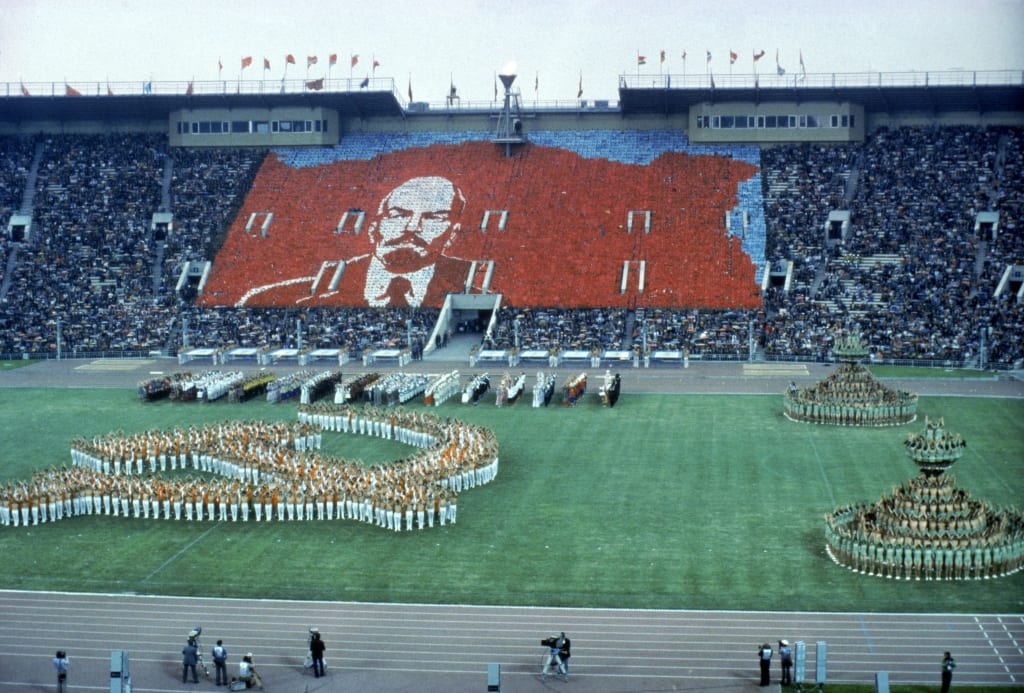
The 1980 Moscow Olympics Boycott was a significant event in the history of the Olympic Games, marked by political tension and controversy. The boycott, led by the United States and supported by numerous other countries, was a direct response to the Soviet Union's invasion of Afghanistan in December 1979. This geopolitical conflict not only impacted international relations but also shaped the Olympic Games of that year, highlighting the intersection of sports and politics during the Cold War era.
Background: The Cold War and the Soviet Invasion of Afghanistan
The Cold War, a period of ideological and political rivalry between the United States and the Soviet Union, was at its peak in the late 1970s. The United States and its allies were deeply concerned about the spread of communism, and the Soviet Union was viewed as a principal adversary. In December 1979, the Soviet Union invaded Afghanistan, a move that was widely condemned by the international community. The invasion was seen as an expansion of Soviet influence in Central Asia, threatening regional stability and potentially undermining the balance of power between the superpowers.
In response to the Soviet aggression, President Jimmy Carter of the United States led efforts to rally international condemnation against the invasion. This included economic sanctions, a suspension of diplomatic relations with the Soviet Union, and, perhaps most notably, calls for a boycott of the 1980 Summer Olympics in Moscow. The U.S. government argued that it would be inappropriate for athletes to compete in a country that was engaging in military aggression, thereby linking the Olympic Games with political and moral considerations.
The Boycott Movement
The U.S. boycott was announced in January 1980, just six months before the opening of the Summer Olympics. President Carter, along with his administration, urged other nations to follow suit and not send their athletes to Moscow. The message was clear: the Soviet invasion of Afghanistan was unacceptable, and the Olympic Games should not be used as a platform for legitimizing the actions of an aggressor.
The boycott quickly gained traction among U.S. allies and other countries critical of Soviet actions. In total, 65 countries joined the boycott, including many from Africa, Asia, and Latin America. Some nations, like Canada and Australia, initially supported the boycott but eventually decided to participate in the Games, leaving the U.S. as one of the most prominent nations to withdraw. The boycott was also supported by countries such as Japan and West Germany, which aligned themselves with the United States in condemning Soviet aggression.
However, not all countries supported the boycott. The Soviet Union and its allies, including several Eastern Bloc nations, strongly criticized the decision, accusing the West of politicizing the Olympic Games. Many countries from the Non-Aligned Movement, which sought to avoid alignment with either the Soviet Union or the United States, chose to participate in the Games despite the boycott.
Impact on the Olympic Games
The 1980 Moscow Olympics, originally planned to showcase Soviet strength and prestige on the world stage, were overshadowed by the boycott. The absence of several key countries, including the United States, meant that many of the world’s best athletes were not present to compete, particularly in popular sports such as track and field, basketball, and swimming.
In particular, the U.S. boycott deprived the Games of major athletes, including stars like Carl Lewis, who would have been a contender in the track events, and other well-known American swimmers and basketball players. This dramatically altered the competitive field, as the absence of top-level competitors from the U.S. gave other countries a chance to win more medals.
The political and diplomatic ramifications of the boycott were significant. The U.S. and its allies made a statement about the importance of human rights and global peace, even at the cost of denying athletes the opportunity to compete in the Games. The Soviet Union, on the other hand, saw the boycott as an affront to its international standing and used the Games to showcase its strength despite the absence of several key nations.
While the Soviet Union triumphed in terms of medal count, the Games were marred by the political backdrop, with many athletes and spectators viewing them through the lens of Cold War animosity. The Games also served to highlight the growing divide between the East and West, particularly in the realm of international sports.
Aftermath and Legacy
The boycott of the 1980 Moscow Olympics had lasting consequences for both the Olympic movement and international relations. The Soviet Union’s invasion of Afghanistan continued to have repercussions throughout the 1980s, contributing to the eventual deterioration of U.S.-Soviet relations and the ongoing tensions of the Cold War. The Olympics themselves, while still successful in some ways, became an example of how sports could not remain immune to the political dynamics of the time.
In subsequent years, the U.S. and its allies were criticized for the decision to boycott, with many arguing that it denied athletes the opportunity to showcase their talents and compete on the world stage. Some believed that a more effective response to the Soviet invasion would have been to engage in dialogue and diplomatic efforts, rather than depriving athletes of the experience of the Games.
The 1980 boycott also led to a retaliatory move by the Soviet Union. In 1984, when the Summer Olympics were held in Los Angeles, the Soviet Union and several of its allies boycotted the Games in protest of what they saw as American interference in the 1980 Olympics. This boycott further exemplified the politicization of the Games and highlighted how sports could be manipulated for political purposes.
Despite these boycotts, the Olympic Games continued to serve as a global stage for competition, symbolizing the aspirations of athletes and nations to transcend political divides. The 1980 Moscow Olympics remain a powerful reminder of the ways in which international events can be affected by larger geopolitical struggles.
In conclusion, the 1980 Moscow Olympics Boycott was a reflection of the intense Cold War rivalry between the U.S. and the Soviet Union. It showed how sports, particularly the Olympics, can become embroiled in political issues, and how international events like the Games can be used as platforms for global protests. While it certainly impacted the Games of 1980, it also contributed to the ongoing dialogue about the relationship between politics, sports, and international relations.
About the Creator
Badhan Sen
Myself Badhan, I am a professional writer.I like to share some stories with my friends.
Keep reading
More stories from Badhan Sen and writers in Gamers and other communities.
THE 1968 MEXICO CITY OLYMPICS AND THE BLACK POWER SALUTE
The 1968 Mexico City Olympics: A Defining Moment for Protest and Civil Rights The 1968 Summer Olympics, held in Mexico City, were not only a major sporting event but also a pivotal moment in history that brought political and social issues to the global stage. The Mexico City Olympics are especially remembered for the iconic Black Power salute by American athletes Tommie Smith and John Carlos, which highlighted the struggles of African Americans and became one of the most powerful symbols of the civil rights movement.
By Badhan Senabout a year ago in Gamers
Early Life: From the Streets of Madeira to Stardom
Cristiano Ronaldo: From Madeira to Football Immortality Cristiano Ronaldo dos Santos Aveiro is a name that has become synonymous with determination, ambition, and sporting excellence. Rising from humble beginnings on the Portuguese island of Madeira, Ronaldo transformed himself into one of the greatest football players in history and a global icon followed by hundreds of millions of fans. His story is not only about talent, but about discipline, resilience, and an unstoppable desire to improve.
By Reflective Stories3 days ago in Gamers


Comments
There are no comments for this story
Be the first to respond and start the conversation.