vr
Virtual Reality is becoming the new normal in the gamer-verse; explore the best VR games and accessories available.
The Gaming Revolution
Video games have evolved from simple pixelated distractions into a global cultural phenomenon. They are more than just a form of entertainment; they are shaping modern culture in profound and transformative ways. This article explores the multifaceted impact of video games on society, highlighting their influence on social interactions, education, technology, and the broader cultural landscape.
By Sazeeb Chowduryabout a year ago in Gamers
Level Up: A Gamer's Guide to Success
In an age where gaming has become one of the most popular forms of entertainment, it's essential to understand not just the games themselves, but also the culture, community, and skills that come with being a gamer. This book is a comprehensive guide designed for gamers of all levels, whether you're a casual player or a competitive enthusiast. Together, we'll explore the vast world of gaming, providing insights and strategies to enhance your experience and success both in-game and beyond.
By Joana Alexanderabout a year ago in Gamers
Smartphone Accessories You Didn't Know You Needed
Cell phones are becoming essential for efficiency, amusement, and correspondence in the present tech-driven climate. The range of extras made to improve cell phone use has extended alongside cell phones' place in our lives. Albeit a great many people know about cases, screen defenders, and charging associations, there is a huge range of less popular embellishments that can work on the viability, tomfoolery, and efficiency of utilizing a cell phone. The cell phone embellishments recorded beneath may appear to be pointless from the start, yet in the wake of using them, you'll think about how you at any point got along without them.
By AKM Shayful islamabout a year ago in Gamers
Dream League Soccer: A Game-Changer for Mobile Gaming
Dream League Soccer (DLS) has rapidly emerged as one of the most popular football games on mobile platforms. With its immersive gameplay, stunning graphics, and deep customization options, DLS is redefining the way we experience football on our smartphones and tablets. In this article, we will explore why DLS is set to revolutionize mobile gaming.
By Kelly Munala Brookesabout a year ago in Gamers
Get Moving and Have Fun. AI-Generated.
Nex Playground Game System Review: In a world where kids (and let’s be honest, adults too) are often glued to their screens with little physical movement, the Nex Playground Game System feels like a breath of fresh air. Designed to get the whole family off the couch and moving, this AI-powered video game console transforms your living room into an active play zone. Whether it’s family game night or a rainy weekend, Nex brings a perfect blend of fun, fitness, and education that everyone can enjoy.
By Abhinav Misraabout a year ago in Gamers
Manu Bhaker - the beacon of hope for women in the gendered narrative of Indian sports
Manu Bhaker - the beacon of hope for women in the gendered narrative of Indian sports When a woman empowers herself in the endeavours of what she is excellent at, the ripple effect of her success serves as a beacon of hope and inspiration to millions of other women who aspire to accomplish their dreams. The road to success in sports for a woman in India is filled with narratives of disparity, prejudice, harassment and societal shunning. While many fall prey to injustice in their odyssey towards their goals, I find ecstasy and bliss in celebrating Manu Bhaker’s journey to secure a bronze medal in the Olympics. In this article, I examine the current status of Indian women in sports through the lens of the legendary victory of Manu Bhaker.
By Hridya Sharma2 years ago in Gamers
"Time Was Not Fair...": Vinesh Phogat Breaks Silence On What She Went Through During Olympics Disqualification
From August 7 till August 15, Vinesh never opened on what she went through after she was disqualified from the Olympics wrestling final. On Friday, however, Vinesh finally broke her long silence with a three-page post on X.Vinesh Phogat has finally broken her silence on her heart-breaking disqualification from the women's 50kg final at the Paris Olympics 2024. The star wrestler had made history by becoming the first Indian woman to enter a wrestling event final at the Olympics. But on the morning of her event on August 7, Vinesh was found to be 100 gram and hence was disqualified. She and the Indian Olympic Association (IOA) approached the Court of Arbitration for Sport (CAS) for a joint silver medal but the appeal was dismissed.
By Hasina Bagome2 years ago in Gamers
The Future of Gaming: Where Virtual Realities and AI Meet
In a world where technology advances at lightning speed, gaming is undergoing a transformation that promises to redefine the very essence of entertainment. From breathtaking virtual realities to AI-driven narratives that adapt to our every decision, the future of gaming is not just on the horizon—it’s already here. Buckle up as we dive into the cutting-edge innovations that are set to revolutionize how we play, interact, and experience games.
By Smokey Games2 years ago in Gamers
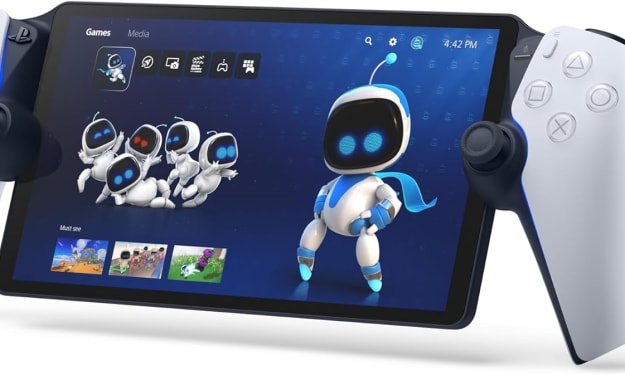
Unleashing the Future of Portable Gaming: The PlayStation Portal Revolution. AI-Generated.
Introduction In the ever-evolving landscape of gaming, staying ahead of the curve requires continuous innovation and adaptation. Sony, a long-standing titan in the gaming industry, has consistently pushed the boundaries of what's possible with each new release in its PlayStation lineup. The latest addition to this illustrious family is the PlayStation Portal, a device that promises to revolutionize portable gaming.
By Saad Malik2 years ago in Gamers
🎮 Dive Into the Exciting World of Gaming! 🌟
Introduction to Gaming 🌟 Gaming has evolved from a niche hobby to a global phenomenon, captivating millions of players across the globe. It offers a diverse range of experiences, from immersive storytelling to competitive sports-like events. Whether you're a casual gamer or a hardcore enthusiast, the world of gaming has something for everyone.
By Mubashir malik2 years ago in Gamers