
NATIONAL YOUTH PROGRAMS AND THEIR ROLE IN PRODUCING OLYMPIC ATHLETES
Nurturing Future Olympians:The Impact of National Youth Programs on Athletic Excellence.

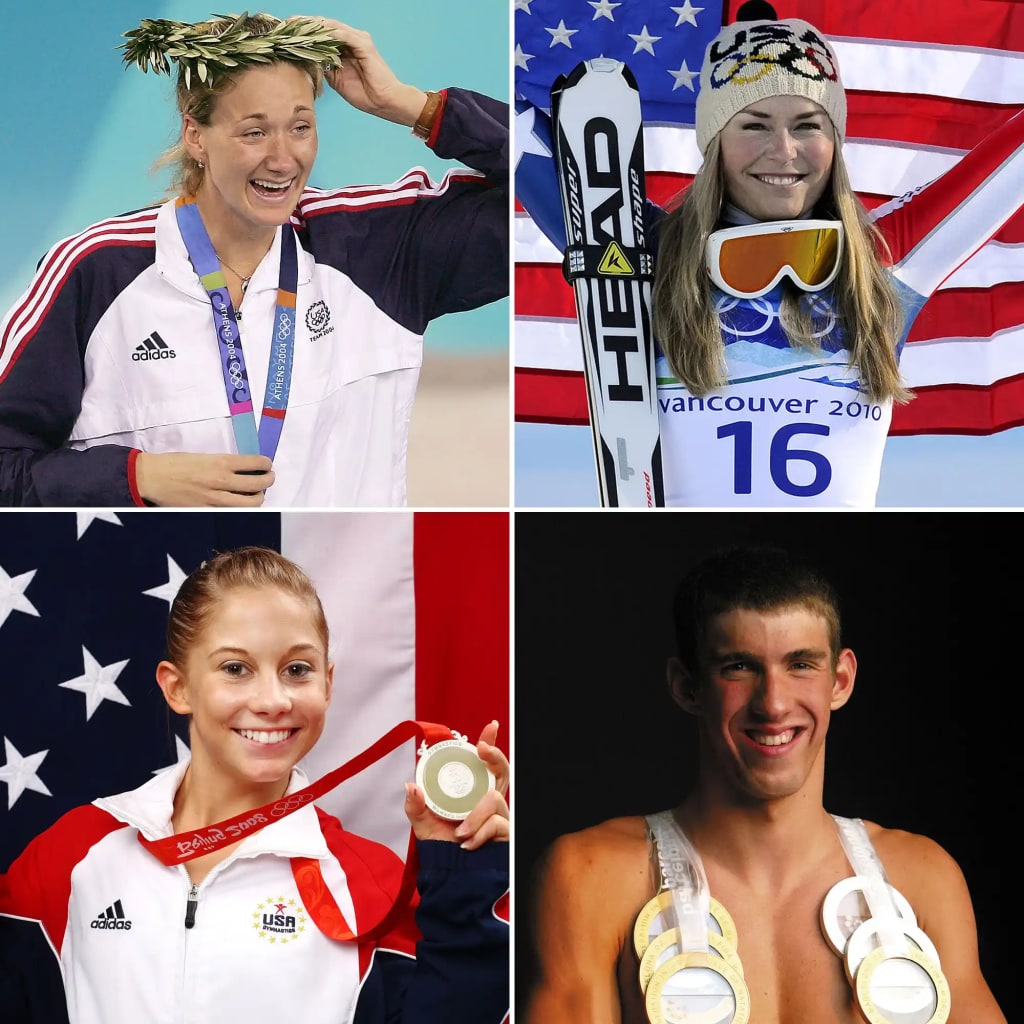
The Olympic Games represent the pinnacle of athletic achievement, bringing together the world’s best competitors to showcase their skills and determination. Behind these remarkable performances lies years of rigorous training, dedication, and support. Central to this success is the role of national youth programs, which serve as the foundation for identifying and nurturing future Olympic champions. These programs play a critical role in talent identification, athlete development, and fostering a culture of excellence.
(I)Talent Identification
One of the primary functions of national youth programs is to identify promising athletes at an early stage. Talent identification is a complex process that requires collaboration between schools, local sports clubs, and national sports organizations. Many countries have implemented structured talent scouting systems that use both traditional coaching insights and modern technology. For instance, countries like China and Russia employ nationwide programs where schools conduct physical fitness tests to identify children with exceptional physical potential. These identified talents are then funneled into specialized training centers where their abilities are further assessed and honed.
In addition to physical assessments, psychological traits such as resilience, discipline, and the ability to handle pressure are also evaluated. The goal is to find individuals who not only excel physically but also possess the mental attributes necessary to succeed on the world stage. By starting this process early, youth programs ensure a steady pipeline of athletes who can compete at progressively higher levels.
(II)Structured Training and Development
National youth programs provide structured training environments that are crucial for the long-term development of athletes. These programs focus on building foundational skills, improving physical fitness, and instilling the values of sportsmanship and teamwork. Training regimens are tailored to suit the needs of young athletes, balancing the demands of sports with their academic and personal development.
For example, the United States Olympic and Paralympic Committee (USOPC) collaborates with youth sports organizations across the country to ensure young athletes receive access to high-quality coaching and facilities. Similarly, Australia’s Australian Institute of Sport (AIS) has been instrumental in providing scientific support and specialized training programs to young athletes.
Scientific advancements have also significantly enhanced training methodologies. Techniques such as biomechanical analysis, nutrition planning, and injury prevention strategies are incorporated into youth training programs, ensuring that athletes develop in a holistic manner. Moreover, access to world-class facilities and equipment allows young athletes to train under conditions similar to those they will encounter in international competitions.
(III)Financial and Institutional Support
Developing Olympic-caliber athletes requires substantial financial and institutional support. National youth programs often rely on funding from governments, private sponsors, and sports federations. This financial backing helps provide access to training facilities, coaching staff, medical support, and travel opportunities for competitions.
Countries with strong national youth programs, such as the United Kingdom and Japan, have demonstrated how targeted investments can yield significant results. After underperforming in the 1996 Atlanta Olympics, the UK launched the “Lottery-Funded World Class Performance Programme,” which invested heavily in youth sports development. This initiative contributed to the UK’s remarkable turnaround, culminating in a second-place finish in the medal tally at the 2016 Rio Olympics.
Financial support also extends to athletes’ families, ensuring that talented individuals from diverse socioeconomic backgrounds can pursue their Olympic dreams without financial burdens. Scholarships, grants, and stipends are common mechanisms used to alleviate these challenges.
(IV)Building a Culture of Excellence
Beyond physical and technical training, national youth programs play a crucial role in fostering a culture of excellence. Young athletes are encouraged to adopt a mindset of continuous improvement, discipline, and perseverance. Exposure to role models and mentors, such as former Olympians and national-level athletes, inspires the next generation to aim higher and work harder.
Programs also emphasize the importance of mental health and well-being. Competing at the highest levels can be emotionally taxing, and national youth programs often provide access to sports psychologists and counselors to help athletes cope with stress and maintain a healthy mindset.
(V)Global Examples of Success
Several countries have set benchmarks in utilizing national youth programs to produce Olympic champions. China’s state-run sports schools have long been a cornerstone of their dominance in events such as gymnastics, diving, and table tennis. These schools provide a rigorous, all-encompassing environment that integrates education and sports training.
In contrast, countries like Canada and the Netherlands emphasize a more decentralized approach, encouraging participation in sports at the grassroots level before channeling top talents into elite programs. This inclusive model not only identifies future Olympians but also promotes physical fitness and a love for sports among the general population.
(VI)Challenges and Opportunities
While national youth programs have been successful in many countries, they are not without challenges. Funding constraints, uneven access to facilities, and the risk of burnout among young athletes are significant concerns. Additionally, some programs have faced criticism for prioritizing performance over the well-being of athletes, leading to physical and emotional strain.
To address these challenges, there is a growing emphasis on creating balanced and athlete-centered programs. By integrating education, mental health support, and career planning into sports development, national youth programs can ensure the holistic growth of athletes.
In The End
National youth programs are the backbone of Olympic success, providing a structured pathway for young athletes to achieve their potential. Through talent identification, scientific training methods, financial support, and a culture of excellence, these programs lay the foundation for future champions. By continually evolving and addressing challenges, national youth programs can not only produce Olympic medalists but also inspire a broader culture of sportsmanship and physical fitness in society.
About the Creator
Badhan Sen
Myself Badhan, I am a professional writer.I like to share some stories with my friends.
Keep reading
More stories from Badhan Sen and writers in Gamers and other communities.
THE RELATIONSHIP BETWEEN COLLEGES AND OLYMPIC SPORTS DEVELOPMENT
The relationship between colleges and Olympic sports development is a complex but essential one, with colleges playing a crucial role in nurturing athletes who later compete on the global stage. This partnership spans multiple areas, including talent identification, athletic training, funding, and exposure. As institutions that combine academic learning with athletic development, colleges serve as key institutions in fostering athletes who may go on to represent their countries in the Olympics.
By Badhan Senabout a year ago in Gamers




Comments (1)
Hey, just wanna let you know that this is more suitable to be posted in the Unbalanced community 😊