
Integrating Video Game Worlds into Your D&D Campaign: A Homebrew Guide
How to Adapt Video Game Settings into Memorable Dungeons & Dragons Adventures

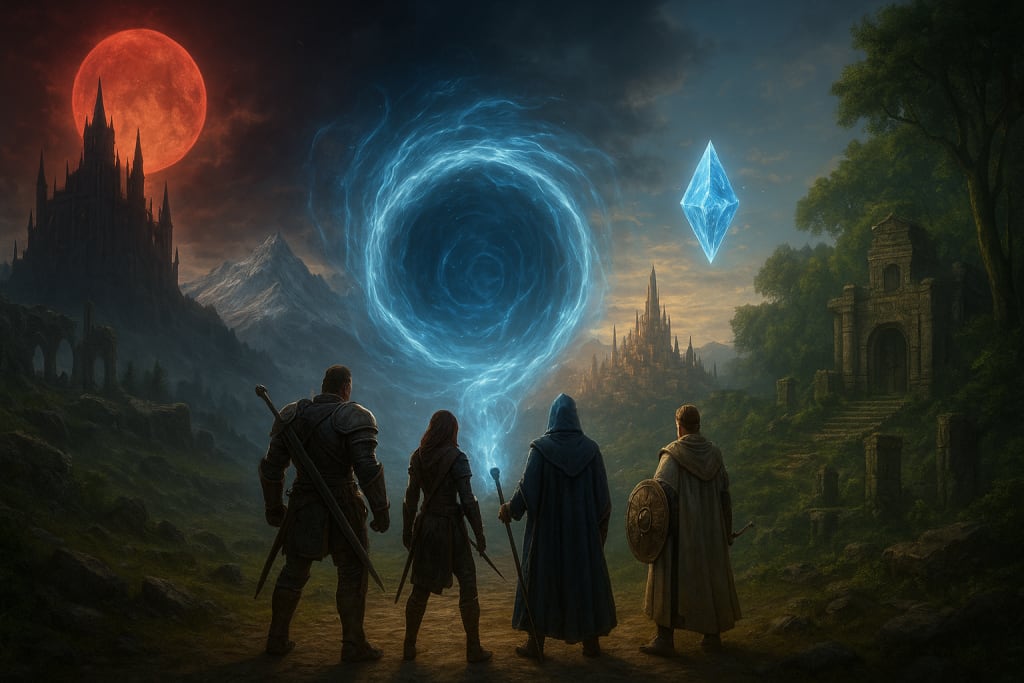
Dungeons & Dragons thrives on imagination, but inspiration doesn’t always come from scratch. Many Dungeon Masters look toward novels, films, and folklore to shape their worlds. Increasingly, video games provide some of the richest material to draw from. Vast open worlds, legendary heroes, and immersive mechanics all create fertile ground for a campaign that feels both familiar and fresh.
Integrating a video game world into D&D requires finesse. You’re not simply copying the map or recreating the exact storyline. Instead, you’re translating its essence—its atmosphere, core conflicts, and memorable elements—into a tabletop format that fits your players’ creativity.
Why Use Video Games for D&D Inspiration?
Video games offer several unique advantages when adapted into tabletop roleplaying:
World-Building Depth: From sprawling kingdoms in The Elder Scrolls to the dystopian sprawl of Cyberpunk 2077, games provide detailed settings that can save hours of preparation.
Familiarity for Players: Many players will already know the universe, allowing them to engage faster and immerse more deeply.
Adaptable Mechanics: Game mechanics, such as Dark Souls’ bonfire respawns or Legend of Zelda’s puzzle dungeons, can be converted into new rules or challenges.
Rich Story Hooks: Established factions, villains, and mysteries give you built-in narrative tension.
These benefits make video game worlds excellent springboards for campaigns, especially when you want to reduce prep time while still delivering something epic.
Choosing the Right Video Game World
Not every video game is a natural fit for tabletop roleplay. Before committing, ask:
- Does the game have a strong sense of place? Environments matter more than linear plots. Sandbox-style games work best.
- Are there clear factions or conflicts? These provide direction for players without locking them into a scripted path.
- Can the mechanics translate into D&D? If a game leans too heavily on features that don’t map well—like real-time combat or platforming—you’ll need to adapt creatively.
Best candidates include:
- The Witcher (political intrigue, monster hunting)
- Elder Scrolls: Skyrim (sandbox freedom, sprawling factions)
- Dark Souls (gritty tone, punishing encounters)
- Dragon Age (companionship, moral dilemmas, and magic systems)
- Final Fantasy (mythic scale, larger-than-life bosses)
- Legend of Zelda (puzzles, divine relics, exploration-driven stories)
Translating Mechanics into D&D
The heart of a good adaptation lies in mechanics. You don’t need to rebuild D&D rules, but incorporating video game mechanics adds flavor.
Examples:
Respawn Systems: In Dark Souls, death leads to respawning at bonfires. In D&D, you might create “soul shrines” where fallen heroes return with a penalty or narrative twist.
Crafting Systems: Borrow from Monster Hunter by letting players harvest monster parts to craft unique gear.
Moral Choices: Inspired by Dragon Age or Mass Effect, give players branching storylines where decisions permanently alter the campaign’s factions and NPCs.
Dungeon Design: Legend of Zelda’s dungeon puzzles adapt perfectly as skill challenges, requiring teamwork to solve traps and riddles.
Small mechanical imports keep the game recognizable while still preserving D&D’s foundation.
Keeping the Spirit Without Railroading
A common trap is turning your D&D game into a rigid retelling of the video game’s plot. That strips away player agency. Instead, focus on tone and themes:
- In a Dark Souls-inspired world, highlight despair, cyclical history, and crumbling civilizations.
- In a Skyrim-like setting, emphasize exploration, dragon myths, and political intrigue.
- For Final Fantasy adaptations, spotlight epic quests, elemental forces, and villainous gods.
Rather than following a script, let your players carve their own path inside that framework.
Practical Tips for Adapting Video Game Worlds
When planning your campaign, consider these steps:
- Map Conversion: Don’t copy maps square-for-square. Instead, capture the geography’s feel—forests, ruins, deserts—and resize to match tabletop scale.
- Faction Reskinning: Replace game factions with equivalents suited for your campaign. The Thieves Guild of Skyrim becomes a local smuggling ring, or Shinra from Final Fantasy transforms into a magical-industrial empire.
- Boss Battles: Design boss fights that reflect the cinematic scale of video games. Layer phases, environmental hazards, and unique mechanics.
- Side Quests: Just like in open-world RPGs, side quests keep the campaign alive between major arcs. They’re perfect opportunities for lore dumps and character development.
- Iconic Artifacts: Legendary weapons, divine relics, or cursed items drawn from the source material create instant excitement.
Balancing Player Expectations
Players familiar with the video game will have expectations. Some may want accuracy; others want fresh surprises. Communicate upfront:
- Will this be a loose adaptation or a faithful recreation?
- How much lore from the game will be imported versus homebrewed?
- Are player characters meant to be “canon heroes” or original adventurers in the same world?
Clarity avoids disappointment and allows players to invest in the experience.
Examples of Hybrid Campaign Concepts
Here are some ready-to-run hybrids that mix D&D with iconic video game influences:
- The Hollow Kingdom (Dark Souls Inspired): A decayed realm where heroes resurrect endlessly until they uncover the truth behind the dying flame.
- Blades of the North (Skyrim Inspired): A frozen land where warring factions fight over the rebirth of ancient dragons.
- Crystals of Eternity (Final Fantasy Inspired): A sprawling high-magic world where cosmic gods seek to harness elemental crystals.
- The Witcher’s Legacy: Players become monster slayers tied to a dwindling order, balancing politics with dangerous contracts.
These serve as frameworks you can adjust to your group’s style.
Video game worlds can breathe new life into your D&D campaign. They offer familiar landscapes, thematic depth, and adaptable mechanics. The key lies in capturing their essence rather than recreating them wholesale. Borrow the atmosphere, reimagine the challenges, and give players the freedom to shape their own destiny within the borrowed setting.
Done well, this fusion results in a campaign that feels both nostalgic and original. Your players will recognize the echoes of their favorite games while experiencing them in a completely new way—through the unpredictable magic of tabletop storytelling.
About the Creator
Richard Bailey
I am currently working on expanding my writing topics and exploring different areas and topics of writing. I have a personal history with a very severe form of treatment-resistant major depressive disorder.
Keep reading
More stories from Richard Bailey and writers in Gamers and other communities.
Localization of Iconic Cities in VR: New York, Tokyo, and Marseille in World War Z VR
When World War Z VR was announced, one of the biggest questions was how familiar global cities would translate into virtual reality. In the flat-screen versions of World War Z, players already traveled across iconic places like New York, Tokyo, and Marseille.
By Richard Bailey6 months ago in Gamers
Winning the Deal: Sports Tactics That Strengthen Lending Strategy
Every great sports team begins with preparation. Baseball managers study pitchers, hitters, and field positions before the game starts. Football coaches review game film and plan plays based on the opponent’s defense. In the same way, lenders should prepare carefully before any negotiation begins. Preparation builds clarity and confidence. It also helps lenders see risks early and avoid costly mistakes. For this reason, many successful professionals rely on a clear lending negotiation strategy before entering a financial discussion.
By James Cretella5 days ago in Gamers
Rsvsr Holy-Themed Skills in Path of Exile 3.28 Mirage: New Builds and Reworks
The release of Path of Exile 3.28 “Mirage” brings an exciting wave of content for players who love Holy-themed builds. With brand-new skills, reworked classics, and updated mechanics, this league offers fresh ways to dominate both packs of monsters and single-target encounters.
By Billo Nali2 days ago in Gamers



Comments
There are no comments for this story
Be the first to respond and start the conversation.