
Localization of Iconic Cities in VR: New York, Tokyo, and Marseille in World War Z VR
How World War Z VR Brings Real-World Locations to Life with Immersive Detail

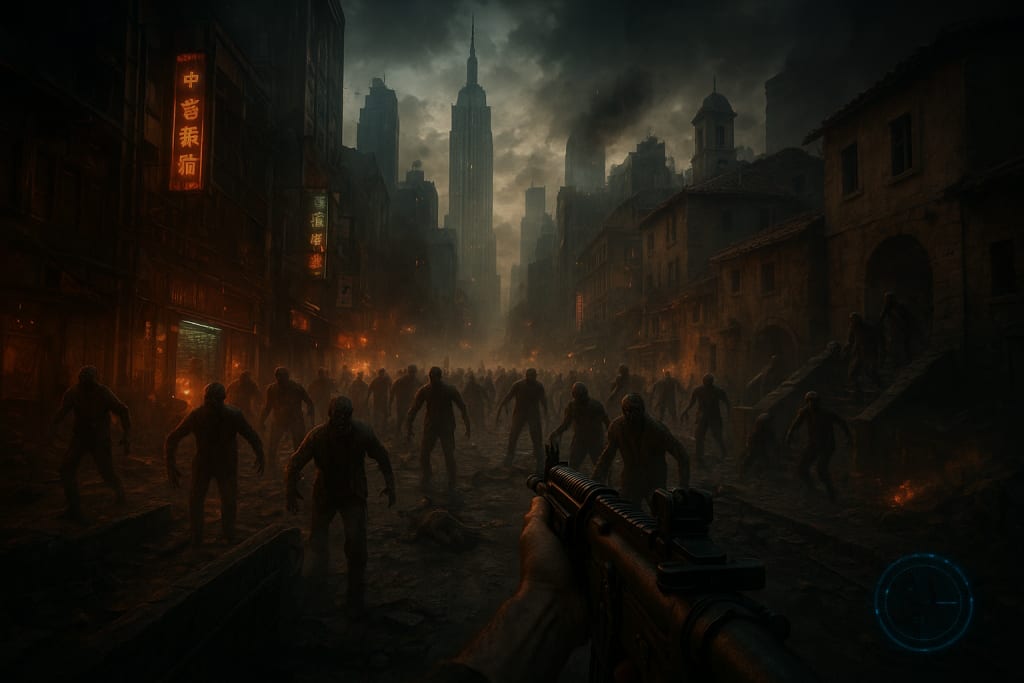
When World War Z VR was announced, one of the biggest questions was how familiar global cities would translate into virtual reality. In the flat-screen versions of World War Z, players already traveled across iconic places like New York, Tokyo, and Marseille.
But VR changes the stakes. It’s no longer just about graphics on a screen—it’s about stepping into the heart of these environments, experiencing scale, danger, and detail in ways that feel tangible.
This article explores how World War Z VR localizes these major cities. We’ll break down the atmosphere, design choices, and immersive techniques that make each location not just a map, but a living stage for survival.
The Challenge of Localizing Real Cities in VR
Localization in video games often refers to language or cultural adaptation. In VR, however, localization goes beyond text and dialogue. It’s about making a place feel authentic. When you step into a city you know from real life—or at least recognize from film, photos, and history—the smallest details matter.
For World War Z VR, this meant:
- Capturing cultural landmarks that define each city’s identity.
- Adjusting scale and spatial design so that environments feel natural in VR.
- Balancing accuracy with gameplay so that exploration remains smooth and intuitive.
The developers had to walk a fine line between realism and functionality. Too much realism can overwhelm VR players, but too little authenticity breaks immersion.
New York: Vertical Chaos in a Concrete Jungle
New York is often the centerpiece of apocalyptic fiction, and in VR it becomes a playground of collapsing order.
Skyscraper Scale: Looking up at towering buildings in VR is an entirely different experience than seeing them in a flat game. The verticality feels overwhelming, pressing down on you as zombies pour in from side streets.
Subway Depths: Descending into underground tunnels feels claustrophobic. Echoing footsteps and distant growls remind players that threats lurk in every direction.
Cultural Detail: Neon signs, scattered newspapers, and storefronts modeled after real neighborhoods anchor the chaos in a recognizable reality.
The localization of New York in World War Z VR is less about beauty and more about pressure. The city doesn’t just set the stage; it amplifies panic.
Tokyo: Order Meets Desperation
Where New York overwhelms with scale, Tokyo creates tension through contrast.
Crowded Streets: In VR, weaving through narrow alleyways filled with debris feels suffocating. The city’s density translates perfectly into tense chokepoints where zombies swarm.
Cultural Markers: From glowing lanterns to minimalist metro stations, the game incorporates Japan’s aesthetic identity. Even as the world collapses, Tokyo retains traces of its orderliness.
Immersion Through Sound: Localization here isn’t only visual. The mix of Japanese announcements echoing in stations, distant alarms, and the shuffle of a rushing horde creates a sensory overload that only VR can deliver.
Tokyo’s VR environment emphasizes desperation amid structure. Unlike New York’s chaos, Tokyo feels organized even in disaster, which makes its fall all the more haunting.
Marseille: Europe Under Siege
Marseille offers a different atmosphere altogether. Instead of steel and neon, players encounter a blend of history and resilience.
Mediterranean Architecture: Terracotta rooftops, narrow streets, and centuries-old stone buildings create a strikingly different backdrop. The design reflects the city’s cultural depth.
Strategic Layouts: Marseille’s twisting alleys and seaside vantage points offer opportunities for both defense and ambush. In VR, climbing stairways or ducking behind old stone walls feels tactile and immediate.
Cultural Flavor: Markets, harbors, and murals bring out the city’s southern French identity. Even in ruin, the setting feels alive.
Marseille demonstrates how World War Z VR avoids a “one-size-fits-all” approach. Every location has its own emotional weight and survival challenges.
Why These Locations Matter in VR
Choosing New York, Tokyo, and Marseille wasn’t random. Each city represents a different style of apocalypse survival:
- New York – Scale and chaos
- Tokyo – Density and contrast
- Marseille – History and resilience
Together, they create a global journey that highlights how VR can transform familiar places into unforgettable battlegrounds.
The Immersive Power of Localization
What sets World War Z VR apart from many other zombie shooters is its commitment to making players feel like they’re truly there. Localization isn’t just about map variety—it’s about cultural authenticity, environmental storytelling, and how scale impacts fear.
Standing in New York, you feel overwhelmed by height. In Tokyo, you sense suffocation in the crowding. In Marseille, you confront the haunting beauty of a historic city under siege. Each space pushes the player to adapt, survive, and experience the apocalypse in a new way.
The localization of New York, Tokyo, and Marseille in World War Z VR proves that VR thrives on authenticity. Instead of generic post-apocalyptic landscapes, the game offers recognizable cities transformed into warzones. That choice not only heightens immersion but also raises the stakes.
In VR, these aren’t just maps. They’re living environments where every alley, rooftop, or station tunnel could be the difference between survival and being overrun. And for players stepping into World War Z’s virtual world, that authenticity makes all the difference.
About the Creator
Richard Bailey
I am currently working on expanding my writing topics and exploring different areas and topics of writing. I have a personal history with a very severe form of treatment-resistant major depressive disorder.
Keep reading
More stories from Richard Bailey and writers in Gamers and other communities.
Replayability in World War Z VR: Are In-Game Challenges Enough to Keep Players Hooked?
When a game enters the VR space, one of the biggest questions isn’t just about immersion or visuals—it’s about longevity. World War Z VR, Saber Interactive’s brutal take on zombie survival in virtual reality, already offers chaotic swarms, gritty environments, and heart-pounding firefights. But once the initial novelty of facing down hundreds of the undead wears off, players inevitably wonder: Is there enough replayability to keep me coming back?
By Richard Bailey4 months ago in Gamers
How to Succeed at the Benson Directory®
Congratulations and welcome to the Benson Directory® employee #22391! As our newest call handler, you will have the privilege of speaking with dozens of unique and interesting people on a daily basis as well as the opportunity to earn bonuses for high performance. Contained within this handbook you will find a set of ease to follow instructions designed to help you settle in to your new role and begin paving the way to success.
By S. A. Crawford2 days ago in Fiction


Comments
There are no comments for this story
Be the first to respond and start the conversation.