
How to Learn to Play Counter-Strike 1.6: A Beginner's Journey
The Joy of Progress and Long-Term Growth
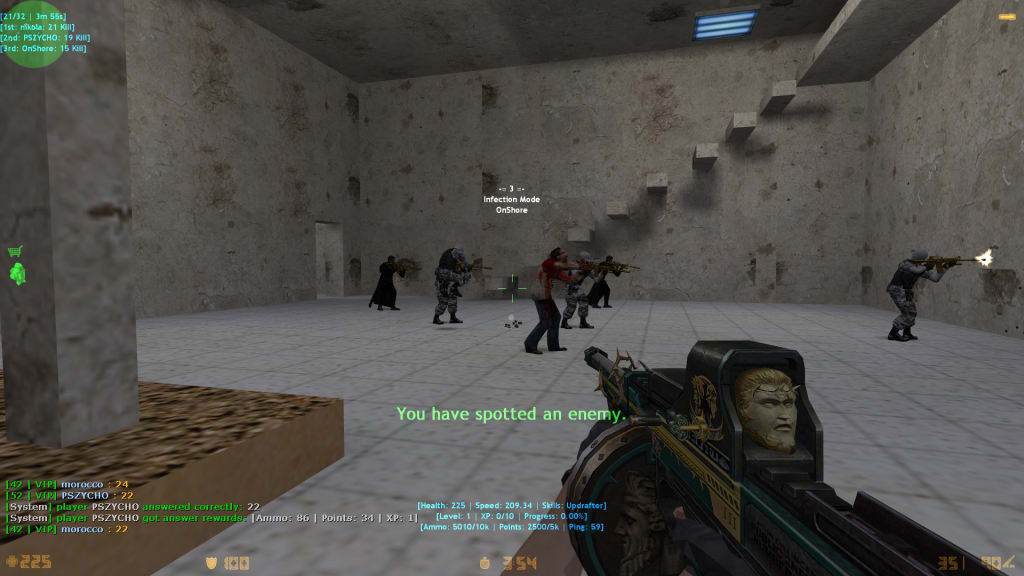
How to Learn to Play Counter-Strike 1.6: A Beginner's Journey
In the bustling streets of Tokyo, 2025, I’m Kenta Mori, a 19-year-old student and aspiring gamer known as “SwiftKenta” in Counter-Strike 1.6 (CS 1.6). This iconic first-person shooter, released in 2000, remains a thrilling challenge with its raw gameplay and passionate community. Learning to play Counter Strike 1.6 can feel daunting, but my journey from a clueless newbie to a confident player shows it’s achievable with the right approach. This article shares practical steps to master CS 1.6, drawing from my experiences in Japan’s retro gaming scene.
Getting Started: Setting Up the Game
My CS 1.6 adventure began in an Akihabara net café, where I saw players battling on de_dust2. Excited, I downloaded the game on my old laptop, which ran it smoothly due to its low system requirements. Start by getting CS 1.6—either purchase it on Steam for $9.99 (often cheaper during sales) or explore free browser-based versions like PLAY-CS.COM for instant play. Once installed, tweak your settings: lower mouse sensitivity (around 1.5–2.5 in-game), set a comfortable resolution (800x600 is classic), and bind keys for quick weapon switches. Joining a server, like “Tokyo FragZone,” was my first step into the chaos of CS 1.6’s multiplayer world.
Mastering the Basics: Movement and Shooting
My early matches were a disaster—running into walls, spraying bullets aimlessly, and dying instantly. CS 1.6’s mechanics are unforgiving, so focus on the fundamentals. Learn movement: strafe to dodge shots, crouch for accuracy, and avoid jumping in fights, as it slows you down. Practice shooting on aim training maps like aim_course, available on community servers. I spent hours mastering the AK-47’s recoil pattern—tap for headshots, short bursts for mid-range. The Desert Eagle became my go-to for one-shot kills. Watch YouTube tutorials (search “CS 1.6 aim guide”) to understand weapon sprays and crosshair placement.
Understanding Maps and Strategy
S 1.6’s maps, like de_dust2 and cs_assault, are the heart of strategy. I learned map layouts by playing offline with bots (type “bot_add” in console) to memorize callouts—terms like “Long A” or “B Tunnels.” Watch pro matches from 2000s LAN events on YouTube to see how teams coordinate. On “Tokyo FragZone,” I joined casual matches and listened to teammates’ callouts, like “Rush B” or “Hold Mid.” Start with simple roles: on Bomb Defusal maps, guard sites as a Counter-Terrorist or plant the bomb as a Terrorist. Learning grenade throws—smokes for cover, flashes for blinds—was a game-changer for my team plays.
Joining the Community: Learning from Others
Japan’s CS 1.6 community, though small (100–300 daily players per GameTracker), is welcoming. I joined the “Tokyo FragZone” Discord, where veterans shared tips on peeking angles and economy management (e.g., saving for an AWP). Find a clan or regular server to practice consistently—community servers often host “Aim Nights” for beginners. I met “NinjaSpark,” a mentor who taught me to pre-aim corners on de_inferno, turning my 0–10 scorelines into 15–5. Engage in server chats, ask for advice, and watch Twitch streams of CS 1.6 to learn from skilled players. Japan’s net cafés, like those in Osaka, host LAN events where you can learn face-to-face.
Overcoming Challenges: Patience and Practice
CS 1.6 has a steep learning curve. Early on, I struggled with cheaters and toxic players, common in public servers. Joining servers with Anti-Cheat plugins, like those listed on CStrike.top, helped. Practice discipline: warm up on deathmatch servers to improve aim, and review your deaths to learn from mistakes. I once lost a 1v3 clutch on de_nuke but analyzed my positioning error (too exposed at Ramp) and improved. Japan’s retro gaming boom means more beginners are joining, so don’t feel discouraged—everyone starts somewhere. Dedicate 1–2 hours daily to practice, and progress will come.
The Joy of Progress and Long-Term Growth
By 2025, after a year of playing, I went from a newbie to a reliable teammate, clutching 1v2s on cs_office and topping scoreboards. CS 1.6’s simplicity—no abilities, just skill—makes every improvement rewarding. Japan’s community keeps the game alive with custom maps like “cs_tokyo_nights” and anime-inspired skins, adding flair to learning. Projects like CS:Legacy, launching in 2025, may modernize visuals, making it easier for newcomers to join. The skills you develop—aim, strategy, teamwork—transfer to other FPS games, and the friendships forged in servers last beyond the game.
Conclusion
Learning Counter-Strike 1.6 is a journey of patience, practice, and community. From setting up the game to mastering maps and joining Japan’s passionate players, every step builds your skill. As “SwiftKenta,” I’ve found joy in landing headshots and bonding with teammates on “Tokyo FragZone.” Whether you’re in a Tokyo net café or playing from home, CS 1.6 offers a timeless challenge. Dive into the battleground, practice daily, and embrace the community—soon, you’ll be clutching rounds and feeling the thrill of this classic shooter.
About the Creator
Keep reading
More stories from Arnold Spitzbergen and writers in Gamers and other communities.
Will Young People in Japan Play Counter-Strike 1.6 in 2040?
Will Young People in Japan Play Counter-Strike 1.6 in 2040? Counter-Strike 1.6, released in 2000, is a legendary first-person shooter that defined the FPS genre and laid the groundwork for esports. In Japan, where games like Street Fighter and Final Fantasy dominate, CS 1.6 has maintained a niche following. As gaming evolves with cutting-edge technology and new genres, will young people—teenagers and those in their early twenties—still play CS 1.6 in Japan by 2040? This article examines the game’s current status, factors influencing its appeal to youth, and its potential longevity.
By Arnold Spitzbergen7 months ago in Gamers


Comments
There are no comments for this story
Be the first to respond and start the conversation.