
Will Young People in Japan Play Counter-Strike 1.6 in 2040?
Current Status of CS 1.6 in Japan
Will Young People in Japan Play Counter-Strike 1.6 in 2040?
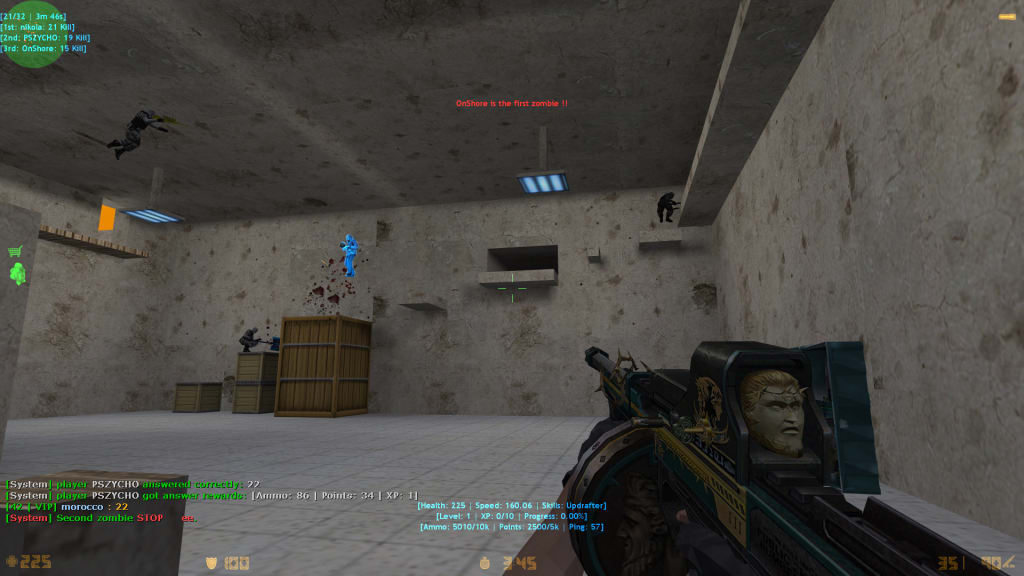
Counter-Strike 1.6, released in 2000, is a legendary first-person shooter that defined the FPS genre and laid the groundwork for esports. In Japan, where games like Street Fighter and Final Fantasy dominate, CS 1.6 has maintained a niche following. As gaming evolves with cutting-edge technology and new genres, will young people—teenagers and those in their early twenties—still play CS 1.6 in Japan by 2040? This article examines the game’s current status, factors influencing its appeal to youth, and its potential longevity.
Current Status of CS 1.6 in Japan
In 2025, Counter-Strike 1.6 enjoys limited but dedicated popularity in Japan, primarily among retro gaming enthusiasts. Server monitoring platforms like GameTracker report a small number of active servers, with concurrent players numbering in the tens to low hundreds. Compared to regions like Eastern Europe or Latin America, where thousands play daily, Japan’s CS 1.6 scene is modest. Modern titles like Valorant and Counter-Strike 2 dominate, but CS 1.6 retains a cult following among those nostalgic for the 2000s PC gaming era.
Appeal to Young Players in 2025
While CS 1.6 is primarily played by older gamers in Japan, some young people are drawn to its simplicity and accessibility. Its low hardware demands make it playable on budget PCs, appealing to teens with limited resources. The game’s modding culture, offering modes like zombie survival and surf maps, aligns with younger players’ desire for diverse experiences. Retro gaming trends, amplified by YouTube and Twitch, also introduce CS 1.6 to curious teens exploring gaming history. These factors create a small but notable youth presence in Japan’s CS 1.6 community.
Challenges for Young Players by 2040
By 2040, attracting young players in Japan will be challenging. The game’s retro graphics and lack of official updates may feel outdated to a generation raised on immersive, high-fidelity titles. Modern FPS games with advanced mechanics, like ability-based systems or virtual reality integration, will likely dominate. Japan’s preference for console and mobile gaming, coupled with the popularity of localized titles like Counter-Strike Online, could further marginalize CS 1.6. Additionally, declining server populations and issues like cheating may deter new players.
Opportunities for Sustained Interest
Despite these challenges, CS 1.6 has opportunities to remain relevant among young Japanese players. Fan-driven projects like CS:Legacy, set for release in 2025, aim to modernize the game with updated visuals while preserving its core mechanics, potentially attracting new players. Browser-based platforms like PLAY-CS.COM lower entry barriers by offering instant play without downloads. A growing retro gaming trend, fueled by nostalgia for early 2000s PC culture, could also inspire young players to try CS 1.6, especially if net cafes host retro events.
The Role of Community and Culture
The CS 1.6 community in Japan, though small, is passionate and pivotal to its survival. Modders create Japan-inspired content, such as anime-themed skins or custom maps, which resonate with younger players. Community-driven LAN events and online tournaments, often held in cities like Tokyo or Osaka, provide spaces for teens to discover the game. By 2040, these efforts could sustain a niche youth following, particularly if retro gaming remains a cultural trend in Japan’s gaming subculture.
Predictions for 2040
By 2040, CS 1.6 is unlikely to be a mainstream choice for young Japanese players. The game’s concurrent player count, already low in 2025, may dwindle to a few dozen dedicated players. However, a small group of teens and twenty-somethings, driven by retro gaming enthusiasm or exposure through older siblings, may continue to play. Japan’s CS 1.6 scene will likely remain a niche within the broader retro gaming community, dwarfed by global hubs like Brazil or Russia, but sustained by passionate fans and modernized remakes.
Conclusion
While Counter-Strike 1.6 will struggle to compete with modern FPS titles in Japan by 2040, it is unlikely to vanish entirely. Its accessibility, vibrant modding scene, and potential remakes like CS:Legacy could keep it alive for a small but dedicated group of young players. Retro gaming trends and community efforts will play a crucial role in sustaining its appeal. Though not a dominant force, CS 1.6 will likely endure as a nostalgic gem for Japan’s next generation of gamers, preserving its legacy in the ever-evolving gaming landscape.
About the Creator
Keep reading
More stories from Arnold Spitzbergen and writers in Gamers and other communities.
Do People Use Cheats in Counter-Strike 1.6? A Player’s Perspective on Fair Play
Do People Use Cheats in Counter-Strike 1.6? A Player’s Perspective on Fair Play In the pulsating servers of 2025, I’m Lucas Bennett, a 24-year-old gamer known as “SteelPulse” in Counter-Strike 1.6 (CS 1.6). This legendary FPS, born in 2000, remains a haven for retro enthusiasts, with its raw gunplay and tight-knit community. Yet, a persistent shadow looms over the game: cheating. From aimbots to wallhacks, cheats can disrupt the skill-based thrill of CS 1.6. As a regular on public servers, I’ve seen both the chaos cheats cause and the community’s fight to keep matches fair. This article explores whether people use cheats in Counter Strike 1.6, their impact, and how players combat them.
By Arnold Spitzbergen7 months ago in Gamers
Winning the Deal: Sports Tactics That Strengthen Lending Strategy
Every great sports team begins with preparation. Baseball managers study pitchers, hitters, and field positions before the game starts. Football coaches review game film and plan plays based on the opponent’s defense. In the same way, lenders should prepare carefully before any negotiation begins. Preparation builds clarity and confidence. It also helps lenders see risks early and avoid costly mistakes. For this reason, many successful professionals rely on a clear lending negotiation strategy before entering a financial discussion.
By James Cretella7 days ago in Gamers
Rsvsr Holy-Themed Skills in Path of Exile 3.28 Mirage: New Builds and Reworks
The release of Path of Exile 3.28 “Mirage” brings an exciting wave of content for players who love Holy-themed builds. With brand-new skills, reworked classics, and updated mechanics, this league offers fresh ways to dominate both packs of monsters and single-target encounters.
By Billo Nali4 days ago in Gamers
Pandora’s Burden
“My brother warned me to not accept gifts from the one who commissioned you,” said Epimetheus to the woman clad in silvery raiments standing at the entrance to the temple. Her silver tiara and the silver rings on her fingers and toes glinted in the firelight cast by torches set on either side of the doorway. Lingering in the shadows, beyond the reach of the flames as she was, he could not tell what she held in her hands. At first what appeared to be a box was perhaps a funerary urn, or maybe merely an apple.
By J. Otis Haas3 days ago in Fiction



Comments
There are no comments for this story
Be the first to respond and start the conversation.