
How to Create Villains in D&D That Your Players Will Truly Fear
Practical Tips for Dungeon Masters to Design Villains That Inspire Dread, Raise Stakes, and Keep Players Engaged

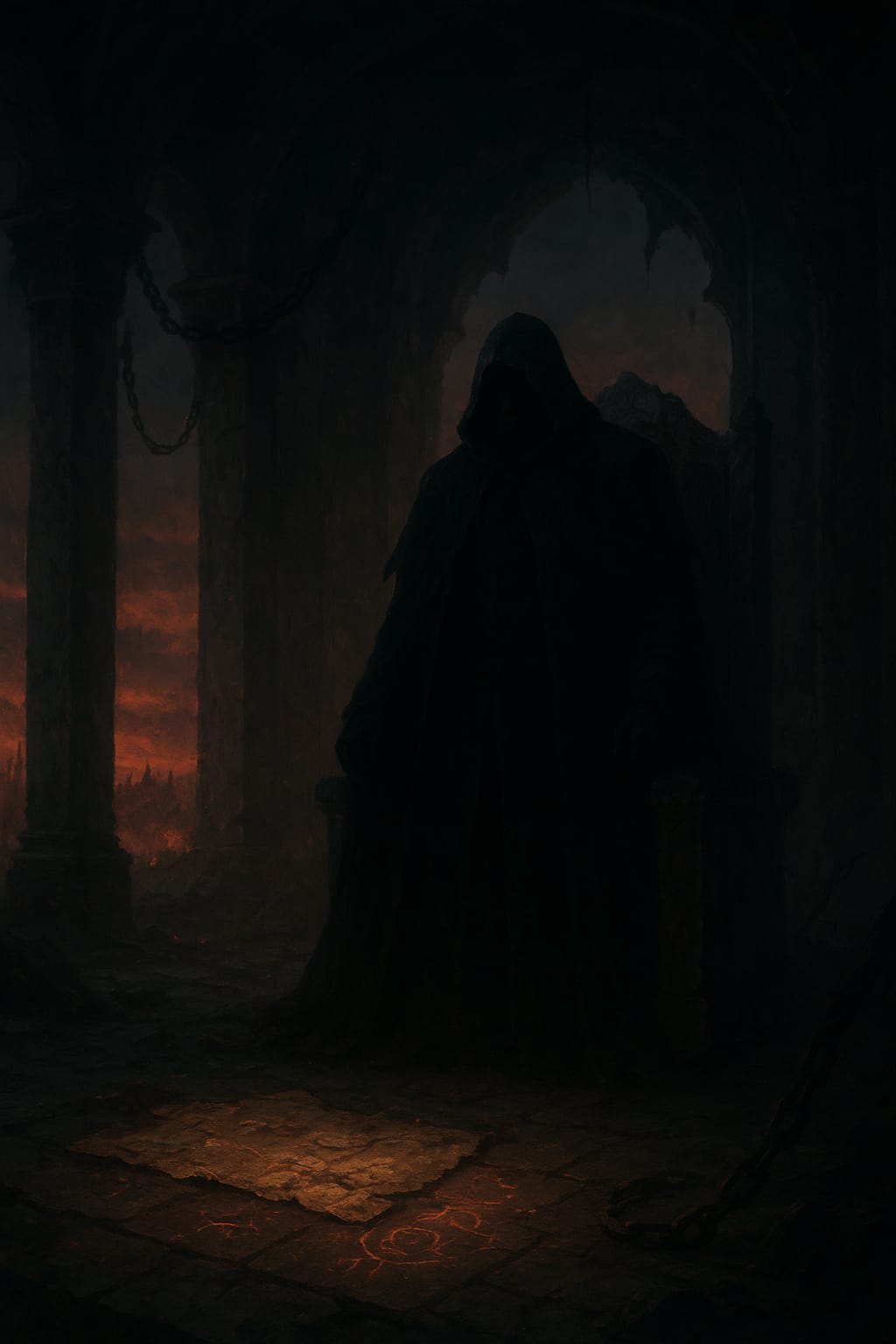
Every Dungeon Master dreams of creating a villain who doesn’t just fill a role in the story but dominates it. A villain who leaves the table uneasy, makes players second-guess their choices, and earns a reputation as more than “the boss at the end of the dungeon.”
Yet most villains fall flat. They’re either disposable—killed before they’ve made an impact—or they feel like a bundle of stats wrapped in clichés. A true villain, one your players will actually fear, needs to transcend mechanics. They must become a living force inside your campaign.
This isn’t about jump scares or cheap tricks. It’s about crafting presence, shaping tension, and embedding dread into the very bones of your story.
Why Villains Matter in D&D Storytelling
In D&D, the heroes are the stars, but the villain sets the stage. Without a compelling adversary, the party’s victories feel hollow. Think of it this way: slaying a nameless bandit king might feel like a small victory, but thwarting a tyrant who has bent entire kingdoms to their will? That’s legendary.
Great villains:
Raise the stakes by tying every conflict to something larger. A burning village isn’t just a random encounter—it’s a symptom of their influence spreading.
Challenge players outside of combat by forcing them to make impossible moral decisions. Do they rescue hostages or pursue the villain? Do they ally with someone they despise to stop them?
Leave emotional scars because the players themselves, not just their characters, start to feel uneasy every time the villain’s name comes up.
A strong villain turns your campaign from a series of disconnected quests into a story your players brag about for years.
The Core Qualities of a Fearsome Villain
Not every antagonist inspires dread. A goblin warlord or greedy noble might annoy your players, but to terrify them you need deeper qualities—traits that resonate on a psychological level.
Unpredictability: A villain who acts according to clear, predictable rules loses impact. The terrifying ones strike when the party thinks they’re safe or make choices that defy easy logic.
Power Beyond the Battlefield: The dragon that burns cities is scary, but the cult leader who convinces half the population to worship that dragon? That’s a nightmare. Political reach, social influence, and a network of allies can make a villain more dangerous than claws and fire.
Personal Stakes: When the villain threatens what matters most to the characters—family, reputations, oaths, or even their own moral compass—the fight becomes personal.
Mirror of the Heroes: The most chilling villains are the ones who reflect what the heroes might become. They force the players to ask, Am I really so different from them?
Persistence: A villain who keeps surviving, adapting, and returning creates a sense of inevitability. Every time the heroes think they’ve won, the villain emerges again, more dangerous than before.
Fear isn’t built on numbers—it’s built on the creeping sense that the villain is always one step ahead.
Strategies to Craft Villains That Haunt Your Players
Designing a terrifying villain isn’t about raw strength. It’s about weaving them into your world in ways that make their shadow impossible to escape.
1. Give Them a Disturbingly Rational Vision
The scariest villains believe they’re the hero of their own story. They don’t see themselves as “evil”—they see themselves as necessary. Perhaps they burn villages to stop overpopulation, or enslave minds in the name of “peace.” When players hear their reasoning, they should feel that uncomfortable twist: It almost makes sense.
2. Make Their Presence Felt Everywhere
The villain shouldn’t appear only during boss fights. Instead, their influence should be visible long before they arrive on the stage:
- A scorched battlefield with no survivors.
- NPCs whispering of a mysterious figure who rewards loyalty with gold—or punishes betrayal with unspeakable cruelty.
- A rival adventuring party found butchered, with the villain’s calling card left behind.
By the time your players meet them face-to-face, the villain should already feel like an unstoppable force.
3. Attack What the Characters Love
Players shrug off nameless NPCs dying, but they won’t shrug off the loss of an ally they’ve grown attached to. Threaten or corrupt someone central to the party’s lives. Perhaps the kindly innkeeper who’s sheltered them becomes a brainwashed spy. Maybe the paladin’s mentor is murdered to send a message.
Fear becomes visceral when the villain strikes at the party’s heart.
4. Control the Rhythm of Encounters
Let the villain dictate the pace. Maybe they appear unexpectedly during a festival, killing an NPC mid-toast. Maybe they vanish after delivering a chilling warning, leaving the players desperate for answers. When the villain sets the tempo, the players lose their sense of control—a fertile ground for fear.
5. Use Mercy as a Weapon
Killing the party is easy. Sparing them is terrifying. A villain who defeats the party but chooses to let them live forces the players to ask why. Are they pawns in a greater scheme? Was their survival intentional? This dread of the unknown works far better than a total-party kill.
Techniques to Bring Fear to Life at the Table
Even the best-written villain will fall flat if they aren’t performed well. A Dungeon Master must breathe dread into the game.
- Voice and Cadence: A calm, measured voice often chills more than shouting. A soft-spoken villain who never raises their voice can make every word feel like a threat.
- Signature Mannerisms: A villain who always carries a bloodstained handkerchief, or who never blinks while speaking, will stick in players’ imaginations.
- Controlled Information: Let rumors, contradictory reports, and cryptic signs build mystery. By the time the players encounter the villain, they’re already nervous.
- Foreshadowing Symbols: A strange insignia carved into stone walls. A song hummed by frightened peasants. The same phrase whispered in different towns. These breadcrumbs make the villain’s presence omnipresent.
- Off-Screen Consequences: Show the aftermath of their power. The smoking ruins of a town. A river poisoned black. Entire populations enslaved. When players arrive too late to prevent it, fear grows.
Mistakes That Ruin Villains
Villains can fall apart if handled poorly. Here are pitfalls to avoid:
- Overwhelming Too Early: If the villain annihilates the party in their first encounter, the fear turns into frustration. Build them up gradually.
- Caricature Evil: A villain who cackles maniacally while declaring their “ultimate evil plan” feels silly, not scary. Subtlety beats theatrics.
- Flat Personality: A one-note villain (“just angry” or “just greedy”) grows stale quickly. Give them layers, contradictions, and motives that make sense.
- No Way Out: Killing the villain in their first showdown ends the tension. Always give them escape routes, decoys, or contingencies.
The Art of Lingering Fear
A villain your players fear is not just a monster with high hit points. They’re a presence—seen and unseen—that seeps into the story’s every corner. They don’t just fight the heroes; they twist their victories, exploit their weaknesses, and leave them questioning their choices.
The goal isn’t to scare characters. It’s to unsettle players. Make them dread the sound of the villain’s name. Make them lean forward when you lower your voice. Make them whisper after the session, “What if they’re watching us right now?”
That’s when you know you’ve succeeded. Because monsters can be slain. But villains who instill true fear? They never leave the story.
About the Creator
Richard Bailey
I am currently working on expanding my writing topics and exploring different areas and topics of writing. I have a personal history with a very severe form of treatment-resistant major depressive disorder.
Keep reading
More stories from Richard Bailey and writers in Gamers and other communities.
Unique D&D Character Goals That Inspire Roleplay Beyond Combat
Dungeons & Dragons is often remembered for its cinematic battles, clever tactics, and dice-fueled victories. But the true heart of the game lies in the quieter moments—the whispered vows around the campfire, the tense bargaining in a crowded tavern, the stubborn pursuit of dreams that can’t be solved with a sword.
By Richard Bailey4 months ago in Gamers
Why Gaming Isn’t Fun Anymore
Gaming used to feel effortless. You turned on a console or PC, loaded a game, and lost track of time without thinking about metas, rankings, or performance. It was about curiosity, challenge, and fun. Somewhere along the way, that feeling started to fade for many players. Today, gaming often feels louder, faster, and more demanding than ever. Streaming, esports, and modern game design didn’t destroy gaming—but they fundamentally changed how it feels to play.
By Games Mode On2 days ago in Gamers
How Fan Translations Keep Games Alive After Official Support Ends
A video game translation company usually enters a project at the cleanest moment, when budget is great and source files are organized. Developers answer questions. Everyone assumes the game has a future.
By CCJK Technologies6 days ago in Gamers
How to Succeed at the Benson Directory®
Congratulations and welcome to the Benson Directory® employee #22391! As our newest call handler, you will have the privilege of speaking with dozens of unique and interesting people on a daily basis as well as the opportunity to earn bonuses for high performance. Contained within this handbook you will find a set of ease to follow instructions designed to help you settle in to your new role and begin paving the way to success.
By S. A. Crawford2 days ago in Fiction



Comments
There are no comments for this story
Be the first to respond and start the conversation.